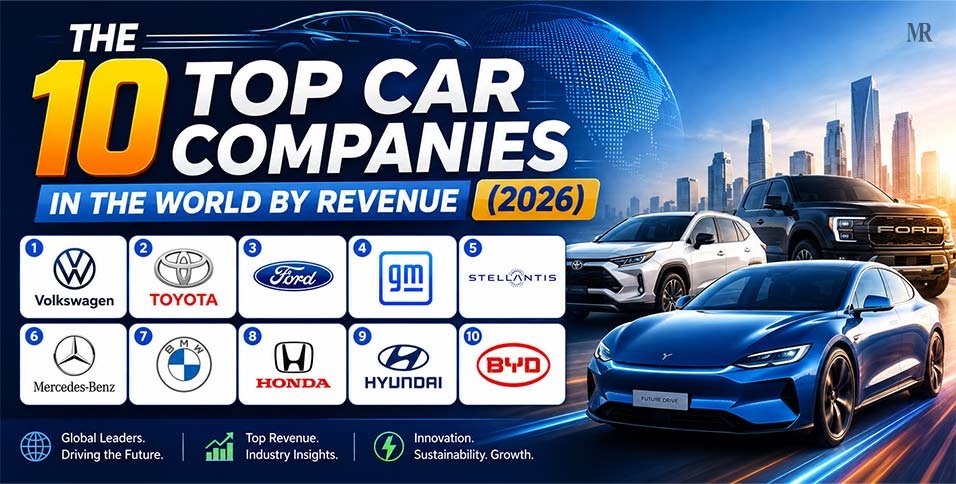
Did you know that the combined market cap of the 10 top car companies in the world in 2026 is a staggering $1.94 trillion!?
In 2026, Volkswagen, Toyota, Ford, General Motors, Stellantis, Mercedes-Benz, BMW, Honda, Hyundai, and BYD are the top 10 car companies in the world by revenue, representing the industry’s largest and most influential automakers across North America, Europe, and Asia.
In this dynamic landscape, these car companies are leading the charge with innovative designs, sustainable practices, and cutting-edge technology. From electric vehicles to autonomous driving, they are shaping the future of transportation.
So let’s take a look at the top car companies in the world by revenue and how they are driving the market forward.
List Of The 10 Top Car Companies In The World In 2026
| Car Companies | Country | Revenue (2026) |
| Volkswagen | Germany | $367.87 Billion |
| Toyota | Japan | $337.34 Billion |
| Ford | USA | $189.86 Billion |
| General Motors | USA | $184.62 Billion |
| Stellantis | Netherlands | $177.54 Billion |
| Mercedes-Benz | Germany | $154.61 Billion |
| BMW | Germany | $153.70 Billion |
| Honda | Japan | $142.81 Billion |
| Hyundai | South Korea | $131.84 Billion |
| BYD | China | $107.28 Billion |
1. Volkswagen
- Founded in: 1937
- Founder: Ferdinand Porsche
- Headquarters: Wolfsburg, Germany
- Revenue: $367.87 Billion
- Market Cap: $48.30 Billion
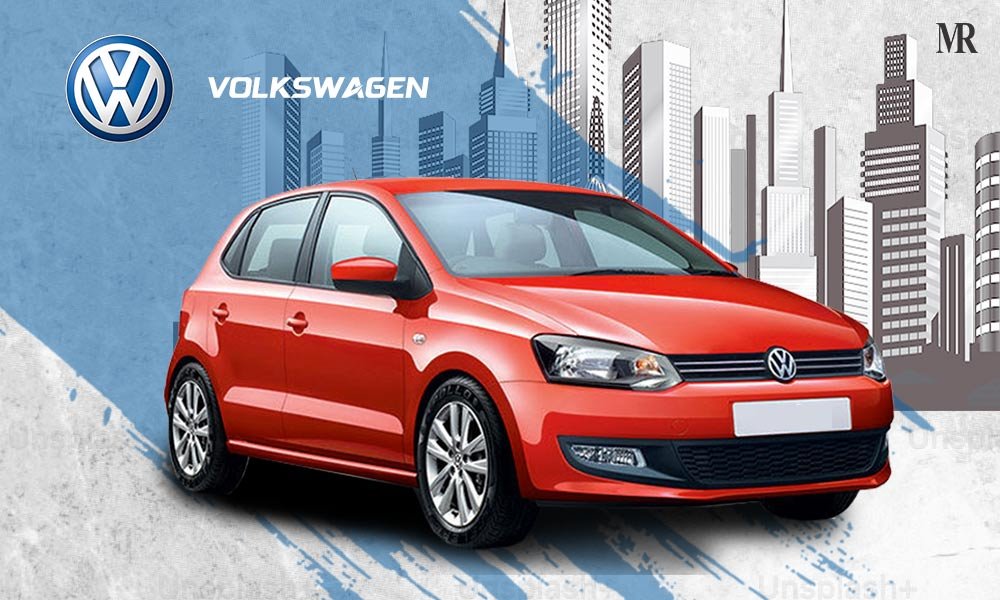
The Volkswagen Group is the world’s top automaker and the largest carmaker in the world and Europe. It also owns the most diverse range of car brands in the world. Here’s how its brands are grouped:
- Core brands: Volkswagen, Škoda, SEAT/CUPRA
- Progressive brands: Audi, Bentley, Lamborghini, Ducati
- Sport & Luxury: Porsche
Beyond its brands, Volkswagen has a massive global presence. It runs 114 production facilities across 27 countries and employs 684,000 people worldwide.
In the first quarter of 2026, the Group delivered approximately 2.05 million vehicles worldwide. While deliveries declined in some key markets, growth in Western Europe (+4.2%), Central and Eastern Europe (+7.6%), and South America (+7.0%) helped offset weaker performance in China (–14.8%) and North America (–13.3%).
This underscores its balanced regional performance, making Volkswagen the top car company in the world by revenue.
2. Toyota

- Founded in: 1937
- Founder: Kiichiro Toyoda
- Headquarters: Toyota, Aichi, Japan
- Revenue: $337.34 Billion
- Market Cap: $205.96 Billion
Toyota Motor Corporation is a Japanese multinational automotive company and ranks second among the largest automakers in the world by market cap. Moreover, the company is known for its innovation, quality, and efficiency in vehicle production.
Toyota operates under four brands:
- Toyota – Its core brand, producing a wide range of vehicles from sedans to hybrids.
- Lexus – The luxury division, offering premium models.
- Daihatsu – Specializing in compact and affordable cars.
- Hino – Focused on commercial trucks and buses.
Toyota has a massive production and research network. It runs 16 production sites in Japan alone and operates 19 R&D centers across Japan, North America, Europe, and Asia-Pacific.
In March 2026, Toyota’s worldwide vehicle sales were around 9,595 thousand units, about 232 thousand units more than in the same period last fiscal year. This makes Toyota one of the top car companies in the world.
3. Ford
- Founded in: 1903
- Founder: Henry Ford
- Headquarters: Michigan, US
- Revenue: $189.86 Billion
- Market Cap: $56.02 Billion
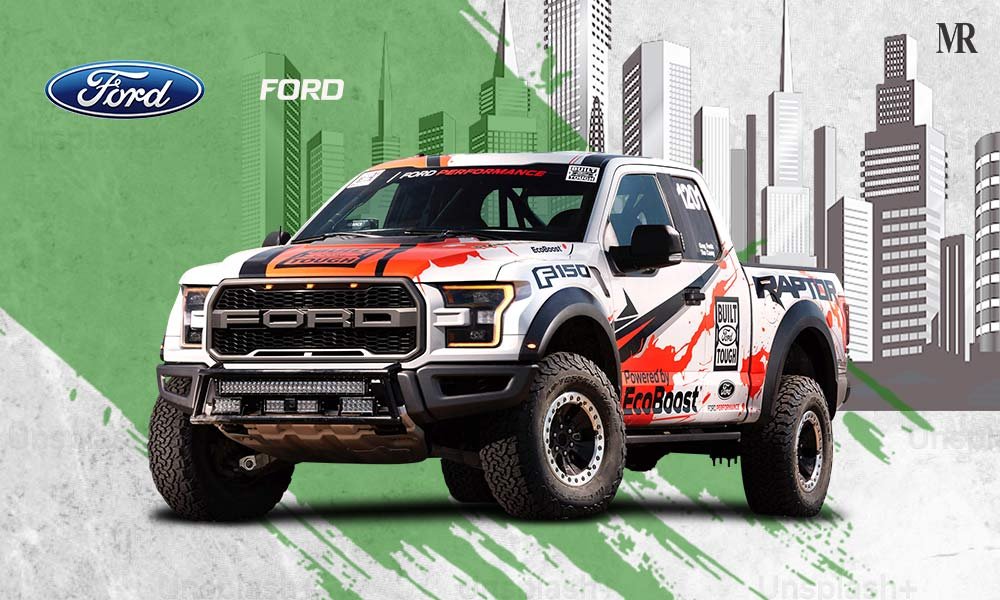
Ford Motor Company is an American multinational automaker, and one of the largest and oldest car manufacturers in the world. Ford revolutionized the automobile industry by introducing the assembly line, which greatly reduced production costs and made cars more affordable to the masses.This innovation helped establish Ford as one of the Big Three automakers in the United States, alongside General Motors and Stellantis.
Additionally, Ford Motor Company employs 186,000 people worldwide and has operations in over 125 countries.
Ford produces vehicles under several brands, with its main focus on:
- Ford – A wide range of cars, trucks, SUVs, and electric vehicles.
- Lincoln – A luxury vehicle division offering high-end cars and SUVs.
Ford’s vehicle sales in 2025 rose 6.0% to 2,204,124 units, lifting its overall market share to 13.2%, supported by strong demand across a wide range of trim options and powertrain choices.
In 2026, Ford continues to lead the commercial vehicle segment, according to its analysis of the latest registration data through October, with its Class 1–7 truck and van market share increasing to 42.9%, up 1.8 percentage points year-over-year.The company is also strengthening its commercial business through innovations like Ford Pro AI.
4. General Motors

- Founded in: 1908
- Founders: Charles Stewart Mott, William C. Durant
- Headquarters: Detroit, Michigan, US
- Revenue: $184.62 Billion
- Market Cap: $71.49 Billion
General Motors (GM) is an American multinational automotive company headquartered in Detroit, Michigan. GM is also one of the largest automakers in the world, known for innovation, manufacturing strength, and a strong presence in the U.S. market.
GM owns four major vehicle brands:
- Chevrolet – A wide range of cars, trucks, and SUVs.
- Buick – Premium vehicles with a focus on comfort and design.
- GMC – Specializing in trucks and SUVs.
- Cadillac – A luxury brand known for high-end performance and innovation.
The company is also leading advancements in electrification, vehicle safety, and autonomous driving, aiming for a future of sustainable and smart mobility. With 165,000+ employees worldwide, GM continues to shape the global automotive industry.
General Motors topped U.S. auto sales in 2025, posting a 6% year-over-year increase driven by gains across several parts of its vehicle lineup. It maintained this sales leadership until April 2026.
The company also maintained its leadership in key segments. GM remained America’s best-selling full-size pickup manufacturer for the sixth consecutive year. In addition, GM held the leading position in the full-size SUV market for the 51st year in a row and ranked as the second-largest electric vehicle seller in the U.S. in 2025.
These accomplishments rank GM 4th in the list of the top car companies in the world.
5. Stellantis
- Founded in: 2021
- Headquarters: Hoofddorp, Netherlands
- Revenue: $177.54 Billion
- Market Cap: $18.37 Billion
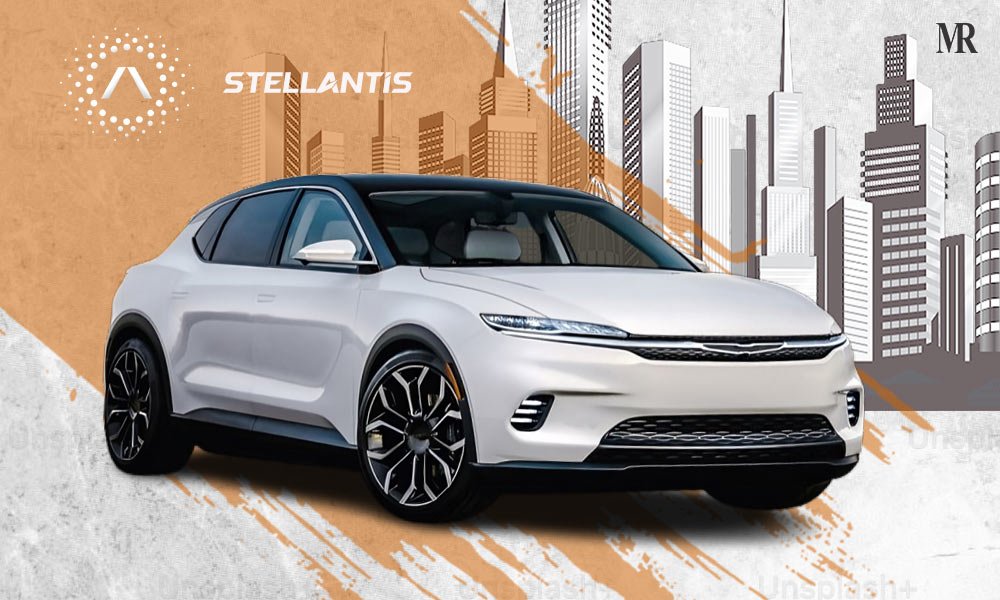
Stellantis is a multinational automotive manufacturing company formed in 2021 through the merger of Fiat Chrysler Automobiles (FCA) and PSA Group. Moreover, Stellantis is one of the world’s largest automakers, focusing on innovation, sustainability, and shaping the future of mobility.
Stellantis operates with a portfolio of 14 iconic brands, including Chrysler, Dodge, Fiat, Jeep®, Lancia, Peugeot, and more. In addition, Stellantis has two mobility arms: Free2move and Leasys.
The company is also leading in various technologies, including:
- Electrification – Pioneering electric vehicle solutions.
- Intelligent Vehicles – Implementing smart, connected vehicle technology.
- Hydrogen Fuel Cell Technology – Developing clean energy solutions for the future.
- Autonomous Driving – Advancing self-driving technology to redefine mobility.
With a workforce that spans over 160 nationalities, Stellantis has industrial operations in more than 30 countries and serves customers in over 130 markets worldwide.
For the first quarter of 2026, Stellantis had consolidated shipments of 1.4 million units. For the whole of 2025, this figure was 5.5M units.
6. Mercedes-Benz

- Founded in: 1926
- Founders: Karl Benz, Gottlieb Daimler, Wilhelm Maybach and Emil Jellinek
- Headquarters: Stuttgart, Germany
- Revenue: $154.61 Billion
- Market Cap: $48.91 Billion
Mercedes-Benz is a German luxury automobile manufacturer, renowned for its high-quality vehicles, innovation, and performance. With a history dating back to the early 1900s, Mercedes-Benz has long been a symbol of luxury, engineering excellence, and cutting-edge technology in the automotive industry.
The company operates through two main business units:
- Mercedes-Benz AG – Responsible for vehicle production and sales.
- Mercedes-Benz Mobility AG – Focuses on financial services and mobility solutions.
Mercedes-Benz has a strong global presence, with a workforce of 56,000 employees involved in its worldwide production network. This network includes 7 major vehicle plants, 8 powertrain plants, and 6 van plants.
On January 12, 2026, Mercedes-Benz Group announced that it delivered 2.16 million cars and vans in 2025, supported by a 7% increase in Mercedes-AMG sales and record-breaking demand for the G-Class.
Looking ahead, Ola Källenius, Chairman of the Board of Management of Mercedes-Benz Group AG, expressed confidence in the company’s future, noting that 2026 marks 140 years since the invention of the automobile, and reaffirmed the group’s strong commitment and collective drive to continue launching some of the world’s most desirable vehicles.
7. BMW
- Founded in: 1916
- Founders: Karl Rapp, Gustav Otto, Camillo Castiglioni, Franz Josef Popp
- Headquarters: Munich, Bavaria, Germany.
- Revenue: $153.70 Billion
- Market Cap: $41.55 Billion
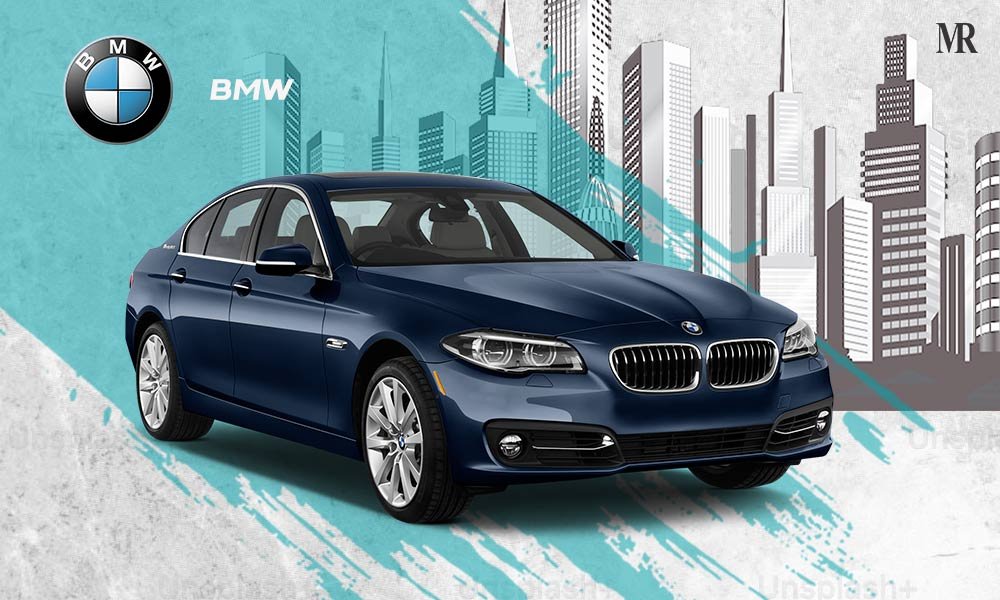
BMW (Bayerische Motoren Werke AG) is a German multinational company known for producing luxury vehicles and motorcycles. Today, BMW is a global leader in premium automobiles, with four major brands under its umbrella:
- BMW – Renowned for luxury vehicles and performance.
- MINI – A distinctive, compact car brand.
- Rolls-Royce – High-end luxury vehicles.
- BMW Motorrad – Specializing in premium motorcycles.
The company’s workforce is made up of 159,104 employees from over 110 nations(as of the end of 2024). Moreover, BMW operates 13 production plants globally, along with facilities in the UK, India, and China.
The BMW Group handed over 2,463,715 vehicles to customers in 2025, representing a 0.5% increase compared to the previous year. Deliveries of electrified models reached 642,087 units, up 8.3% year over year.
Sales of fully electric vehicles also edged higher, with 442,072 units delivered globally. Growth was especially strong in Europe, where fully electric vehicle sales surged by 28.2%.
8. Honda
- Founded in: 1948
- Founders: Soichiro Honda, Takeo Fujisawa
- Headquarters: Minato, Tokyo, Japan
- Revenue: $142.81 Billion
- Market Cap: $34.07 Billion
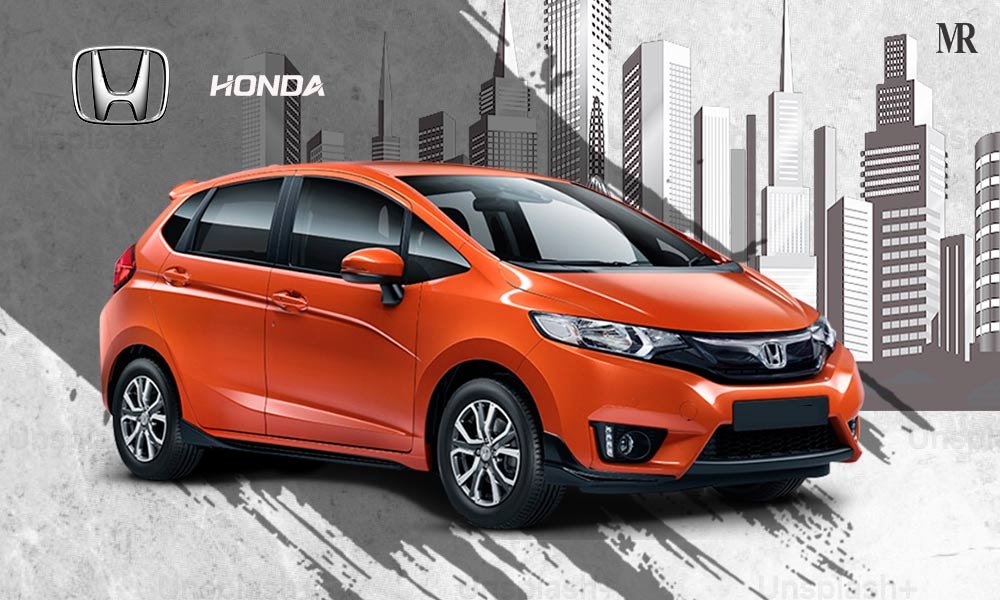
Honda Motor Co., Ltd. is a Japanese multinational conglomerate best known for manufacturing automobiles, motorcycles, and power equipment. They are the biggest automaker in Japan. The company quickly gained a reputation for producing reliable, efficient, and innovative vehicles.
Honda operates under its main brand, with several notable global models:
- JAZZ/FIT – A compact, fuel-efficient car.
- CIVIC – A popular sedan known for its performance and reliability.
- ACCORD – A mid-size sedan that has become a symbol of Honda’s engineering excellence.
- HR-V/VEZEL – A compact crossover.
- CR-V – A leading compact SUV known for its practicality and features.
- HR-V/ZR-V – A new-generation crossover.
For the fiscal year ending March 31, 2026, Honda sold 3 million 387 thousand automobiles worldwide. This proves why Honda ranks 8th among the top car companies in the world.
9. Hyundai

- Founded in: 1967
- Founder: Chung Ju-yung
- Headquarters: Seoul, South Korea
- Revenue: $131.84 Billion
- Market Cap: $101.38 Billion
Hyundai Motor Company is a South Korean multinational automotive manufacturer known for producing reliable vehicles with advanced technology and modern designs.
Hyundai operates under its main brand, offering a wide range of models, including:
- Cars – Affordable and stylish sedans and hatchbacks.
- Eco – Environmentally friendly vehicles, including hybrids and electric cars.
- SUV – A diverse lineup of compact to large SUVs.
- N – High-performance models with sporty features.
- N Line – Sporty trims of standard Hyundai models.
- MPV – Multi-purpose vehicles designed for family use.
- Commercial – Vehicles for business and utility purposes.
- Truck & Bus – Heavy-duty vehicles for industrial and public transportation.
- CV Hydrogen – Hyundai’s hydrogen-powered commercial vehicles.
Hyundai has a robust global manufacturing network, with production facilities in Japan, Americas, Europe, Africa, Middle East, Asia, and Oceania. Additionally, the company has 19 R&D facilities to continue driving innovation in the automotive industry.
In January 2026, Hyundai earned major global recognition, with the Hyundai Palisade named the 2026 North American Utility Vehicle of the Year™ and the Hyundai IONIQ 9 awarded World’s Best Large SUV at the 2026 Women’s Worldwide Car of the Year Awards.
Hyundai Motor also reaffirmed its long-term growth strategy, targeting 5.55 million global vehicle sales by 2030. The company plans to scale its electrified vehicle sales to 3.3 million units, supported by more than 18 hybrid models and a broad electric vehicle lineup.
Hyundai is further expanding into new segments such as mid-size pickup trucks and light commercial vehicles, while preparing to launch its first Extended Range EV (EREV) models from 2027, offering a driving range of over 600 miles to support the transition toward full electrification.
10. BYD
- Founded in: 1995
- Headquarters: Shenzhen, China
- Revenue: $107.28 Billion
- Market Cap: $118.90 Billion
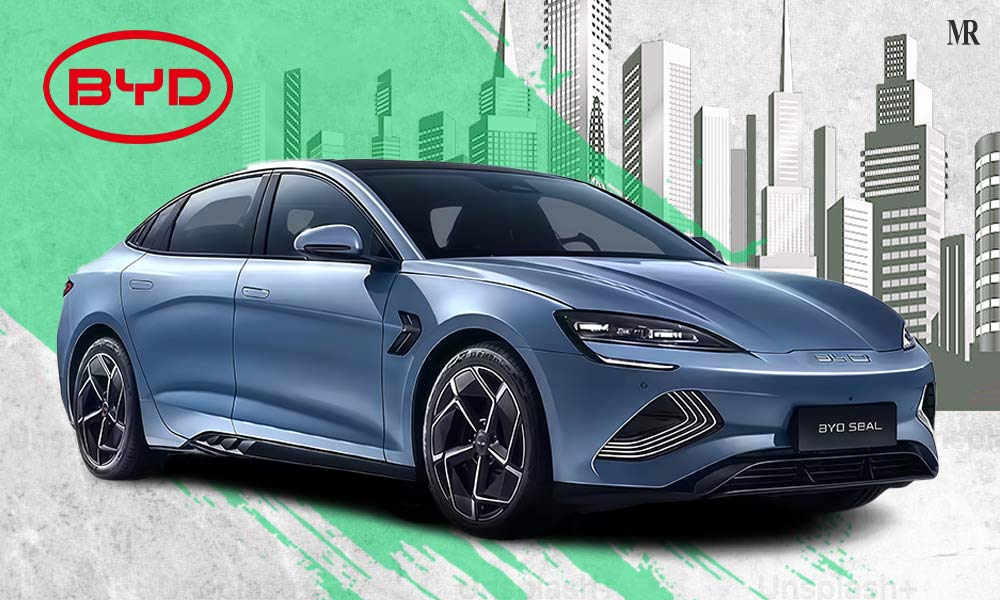
BYD, short for “Build Your Dreams,” is a global leader in electric and plug-in hybrid mobility. The company is recognized for pioneering innovations such as the Blade Battery and Super DM technology, setting new industry benchmarks for safety, efficiency, and performance.
On July 4, 2024, BYD became the first automaker to produce 8 million new energy vehicles worldwide. Moreover, as of August 2024, BYD has the largest R&D team in the automotive industry, with more than 100,000 engineers and technicians across 11 research institutions.
Their product portfolio includes:
- Electric Vehicles (EVs): Dolphin Surf, Atto 2, Sealion 7, Atto 3, Dolphin, Han, Seal, Seal U, Tang
- Hybrid Models: SEAL U DM-i, SEAL 6 DM-i, SEAL U DM-i touring, ATTO 2 DM-i
BYD continues to lead in electrification, hybrid solutions, and battery innovation, supporting its mission to drive sustainable mobility globally. As of 2025, BYD sold 4.6 million cars and overtook Tesla as the world’s top EV seller in 2026, thus ranking among the top car companies in the world.
We’ve reached the end of our list! Now, let’s take a closer look at some expert insights on what makes these companies rank as the Top 10 Car Companies in the World.
Takeaways From The Top 10 Car Companies Rankings 2026
1. Revenue Leadership is not equal to Market Cap Leadership
The 2026 rankings of the top 10 automobile companies in world clearly show a growing disconnect between revenue scale and investor valuation. Volkswagen leads the world in revenue at $367.87B, yet its market cap ($48.30B) trails far behind Toyota ($205.96B) and BYD ($118.90B). This gap reflects investor preference for capital efficiency, electrification momentum, and software-driven growth, not just sales volume.
2. China’s Rise Is Structural, Not Cyclical
BYD’s position in the top 10, with $107.28B in revenue and 4.6 million vehicles sold in 2025, shows a permanent shift in global automotive power. China’s advantage lies in battery supply chains, vertical integration, and pricing discipline, enabling faster EV scale than Western peers. BYD overtaking Tesla as the world’s top EV seller underscores that EV leadership is now increasingly manufacturing- and cost-led, not just brand-led.
3. Legacy Automakers Are Winning on Scale, Struggling on Margins
Companies like Ford, GM, Stellantis, and Volkswagen continue to benefit from SUVs, pickups, and commercial vehicles, which remain profit anchors. However, inventory build-ups, uneven EV demand, and high transition costs are pressuring margins. The data suggests that hybrids and flexible powertrains, not full EV-only strategies, are currently the most resilient path to profitability.
4. Electrification Is Advancing Unevenly, but Irreversibly
BMW’s 28% growth in fully electric sales in Europe, Hyundai’s push toward 3.3 million electrified vehicles by 2030, and Toyota’s continued hybrid dominance highlight a key reality: There is no single winning EV strategy.
Success in 2026 depends on regional adaptability, blending BEVs, HEVs, PHEVs, and soon EREVs to match infrastructure and consumer readiness.
5. Software and AI Are Becoming Valuation Drivers
Market leaders are no longer judged only by vehicles sold, but by digital architecture readiness. OEMs investing in software-defined vehicles (SDVs), OTA updates, AI-powered cockpits, and connected services are positioning themselves for recurring revenue, something traditional car sales alone cannot deliver. This shift explains why companies with strong software roadmaps often command higher market caps despite lower revenues.
6. The Industry Is Moving from Products to Platforms
With global light-vehicle sales expected to reach just under 90 million units by 2026, growth will be selective. The real differentiation will come from platform thinking like vehicles that integrate energy (V2G), autonomy, AI, and digital services. Automakers that fail to evolve beyond hardware risk becoming low-margin manufacturers in a software-led ecosystem.
Conclusion
The 2026 rankings of the top car companies in the world make one reality clear: the global auto industry is no longer driven by scale alone. While production volume and revenue still provide an edge, long-term leadership is increasingly shaped by how fast automakers can adapt to electrification, software-defined vehicles, and new business models.
Chinese manufacturers, led by players like BYD, are no longer emerging challengers. They are resetting cost structures, innovation cycles, and EV adoption benchmarks for the entire industry. Their rise is forcing legacy automakers to rethink speed, pricing, and vertical integration.
Looking ahead, the true winners will be those that move beyond selling vehicles. Automakers that successfully monetize software, connected services, data, energy ecosystems, and mobility platforms will define the next era of growth. Thus, transforming cars from standalone products into recurring revenue platforms.
FAQ
- Which is the biggest car company in the world?
By revenue, Volkswagen is the biggest car company in the world in 2026, generating approximately $367.87 billion in annual revenue and leading this ranking. However, Tesla remains the world’s most valuable automaker with a market cap of $1.5T, reflecting strong investor confidence in its electric vehicle and software-focused business model.
- Who are the big 3 car companies?
The Ford Motor Company, General Motors, and Stellantis (formerly Chrysler) are the big 3 car companies. They earned this title because they dominated the U.S. automotive industry for most of the 20th century, producing the highest number of vehicles and employing a massive workforce.
- Which is the biggest car manufacturer country in the world?
China is the biggest car manufacturer country in the world with car production exceeding 34.5 million units in 2025 alone. Over half of this was due to raising demand in New Energy Vehicles (NEVs).
Also Read: Why Auto Makers are going All Electric ?