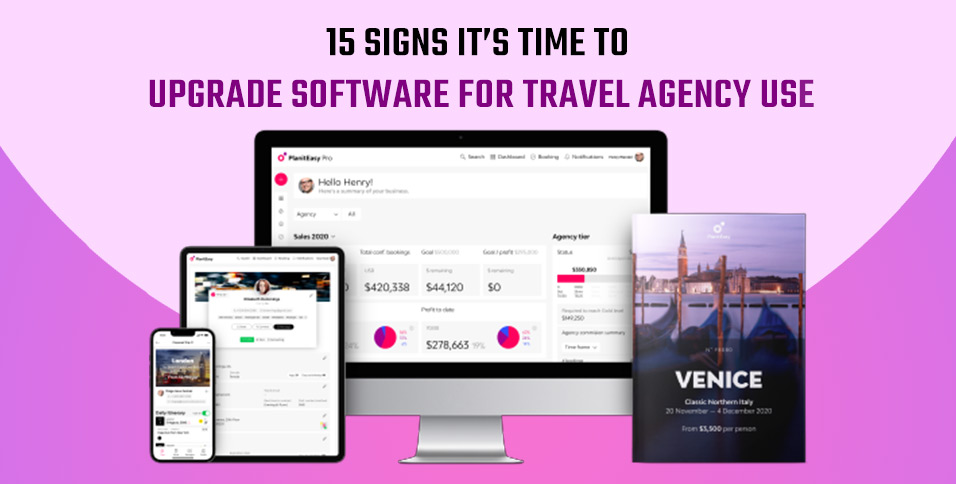
The daily operations of travel agencies heavily depend on the software to handle reservations, payments, and interactions with clients, among other things, as the nature of the industry relies on technology. Eventually, even the most reliable systems will stagnate, restricting efficiency and service delivery. By spotting the need for an upgrade early, you avoid costly mistakes and can optimize processes. This post will help you identify 15 indications that it’s time you have a new travel agency software that performs and services your clients better.
15 Tell-tale Signs to Upgrade Software for Travel Agency Use
1. Frequent System Crashes
Frequent system breakdowns can disrupt functions, annoying workers and customers. If the current software breaks down often, it is probably an old application not fully compatible with newer technologies. Upgrading to modern software for travel agency operations can reduce downtime and ensure smoother performance.
2. Slow Performance
Slow service delivery due to lagging software. When work that took a few minutes now takes much longer, you know the system has too many mouths to feed.
3. Lack of Integration
Modern software must integrate seamlessly with other tools and platforms. If the current system gathers data from multiple applications, an upgrade can cut time and errors wasted on manual data transfers.
4. Poor User Experience
Software should be easy and intuitive to use. If it was hard for employees to figure it out and the amount of training required to get up to speed is large, you’re likely due for a more straightforward solution.
5. Limited Features
Software should be implemented according to the business needs, and the software’s capabilities should grow as the business grows. If the existing system lacks critical functions that other firms use, a new option might deliver a competitive edge.
6. Security Concerns
Protecting client data is paramount. Maintaining trust and compliance requires upgrading to a more secure platform when security measures are outdated or breaches have occurred.
7. High Maintenance Costs
More maintenance and updates are needed on older systems, which can be expensive. New software can minimize these costs and deliver a higher ROI.
8. Inadequate Support
Responsive technical support is vital. If you find it difficult to reach out for support or have unresolved issues with your current tool, it might be worth looking at software with a higher level of customer service.
9. Scalability Issues
Software should scale with a growing business. If the system cannot cope with a new boost in data or user load, it is a clear sign that an upgrade is required.
10. Outdated Interface
A slow, outdated interface can slow things down and make employees more reluctant to use modern technology, particularly young employees. An update can give a useful interface and boost the users’ morale.
11. Lack of Mobile Compatibility
As clients and employees use mobile devices more, software must be supported on all devices. Time to upgrade your current system if it is not mobile-friendly.
12. Difficulty in Customization
Every travel agency is unique. Software needs to be customized to specific needs. And if it’s hard to change the existing system, you might find value in more flexible choices.
13. Negative Client Feedback
Clients expect seamless experiences. If feedback shows that they are unhappy because of the software, taking action can help improve client relationships.
14. Inefficient Reporting Tools
You need a complete picture to make decisions. While it may be hard to produce insightful reports, upgrading to a system with advanced analytics can ensure that consumers can gain key insights.
15. Compliance Challenges
It is critical to comply with industry regulations. So, if the old systems cannot cope up with the compliance requirement, then the organization will have to deal with unnecessary penalties by purchasing an updated solution.
Benefits of Upgrading Software
Upgrading software can provide a wide range of benefits. Optimized processes can lead to increased efficiency and productivity. Enhanced security secures your confidential data, while better features give you an edge over the competition. Modern software also has better integration, meaning it can work more seamlessly with several solutions.
Choosing the Right Software
Choosing the right software plays a good role in this case. Agencies must consider their own requirements, budget, and growth trajectory. Using different types of furniture and getting feedback from employees helps make an informed decision.
Conclusion
Identifying the signs that show you require software improvement is essential to a successful travel agency. If agencies focus on these indicators, they can remain or become agile and efficient. Implementing the right technology can help streamline operations and provide a better overall experience to clients in your travel business, ensuring you are on the path to sustainable success.