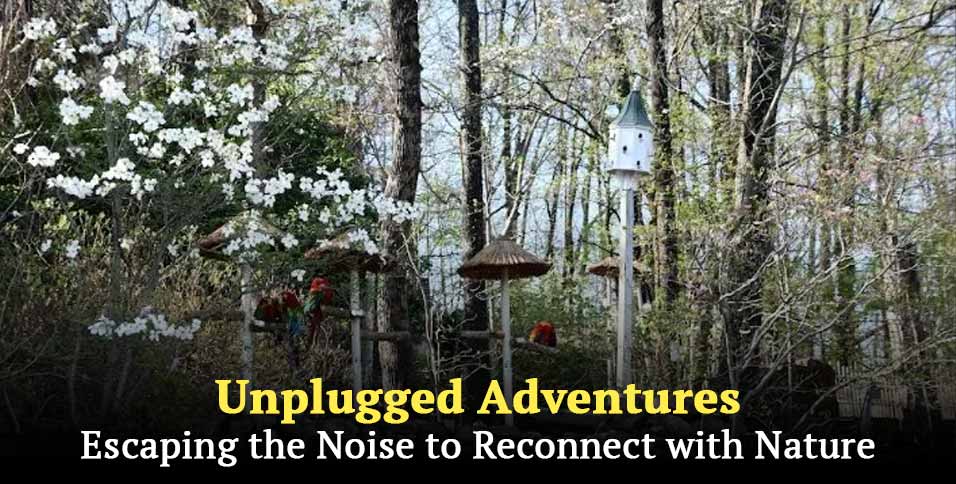
In a world saturated with screens, alerts, and constant connectivity, it can feel as though the noise has become part of our identity. Yet part of the human spirit longs for stillness — for breathing room, for a chance to simply be. Unplugged adventures offer precisely that: curated escapes from digital overload, where the only frequencies are wind in the leaves, birdcalls, or the rush of a creek.
Tucked within the scenic embrace of Pigeon Forge, such moments of calm come alive amid whispering pines and misty mountain views. Here, nature invites you to trade notifications for the rhythm of the forest and rediscover what it means to live intentionally, without interruption.
As we drift farther from our devices, we find clarity, restored presence, and a deeper sense of belonging to the living world. These escapes can foster creativity, heal frayed nerves, and rekindle relationships — turning a simple retreat into a soulful return to balance.
Staying Close to Nature
When choosing a home base for your unplugged adventure, a well-appointed cabin offers the perfect balance — shelter from the elements while keeping you immersed in nature.
Surrounded by the tranquil beauty of the Smoky Mountains, Pigeon Forge is an ideal place to unwind, breathe deeply, and reconnect with the natural world. If you’re looking for new cabins in Pigeon Forge, Luxury Cabin Rentals is the best option, offering beautifully designed spaces that bring modern comfort into harmony with rustic serenity.
Their selection of cabins accommodates everyone — from couples seeking intimacy to families and large groups eager for shared moments — all crafted to make every stay memorable.
Each retreat features thoughtful amenities such as private indoor pools, game rooms, and home theaters, creating a seamless balance between adventure and relaxation. Wake to the sound of songbirds, enjoy coffee on a tree-lined deck, explore nearby trails, then return to unwind in your own peaceful haven.
How to Structure an Unplugged Itinerary
Even the most well-meaning unplugged trip can slip back into routine unless it’s guided by intention. Below is a blueprint:
1. Begin with Arrival Ritual
Leave your devices in a basket or charging station (outside your main cabin space), with a note: “See you later.” Spend the first hour walking your surroundings, noting trees, listening to the wind, and marking a vantage point you’ll return to.
2. Choose Gentle Movement
Rather than ambitious goals, opt for slow exploration: a one-mile loop through a forest, a quiet creek walk, observing moss and lichens. Carry a sketchbook or journal rather than a camera. Let your pace match nature’s.
3. Engage with Single Tasks
Rather than multitasking, do one thing fully. Cook over a firepit or wood stove. Wash dishes by hand with care. Read a physical book. Play a board game or card game. These small attentions ground you.
4. Play After Dark
Evening offers a chance to recover wonder. Sit outside and watch stars, listen for hoots or insect chirps. Use the quiet to reflect internally — where your mind jumps to digital routines, allow those urges to drift away.
5. Reentry Buffer
Before leaving, carve out a last morning of silence. Reflect on what surprised you, what you want to bring back into daily life. When you reengage with your phone or laptop, start with intention rather than impulse.
Why Nature Matters for Restoration
Science supports what sages and poets have long claimed: time in nature replenishes our attention, lowers stress hormones, and enhances creativity. The phenomenon known as “attention restoration” posits that nature’s softly compelling stimuli (rustling leaves, flowing water, bird song) allow our directed attention to recover.
Meanwhile, biophilia — our innate bond with living systems — can reawaken a sense of belonging and humility.
Moreover, reducing ambient stimulation — screens, notifications, schedules — gives your nervous system a chance to reset. The dopamine tug of devices softens; your mind calms; creativity finds more space. In this setting, your senses sharpen: you hear distant frogs, feel texture on leaf veins, smell damp earth, and even sense subtle temperature shifts.
Sample Activity Ideas
To maximize your nature immersion, try incorporating:
- Forest bathing (shinrin-yoku). Walk slowly, pause, breathe at different heights.
- Sunrise and sunset rituals. Catch each, silently, letting light changes cue awareness.
- Wild journaling. Use observation prompts: “What shapes do leaves make?”, “What insect lives here?”.
- Mindful meals. Taste slowly, notice textures, chew fully.
- Nighttime vigil. Lie on a deck or perch in darkness and watch for stars, fireflies, and nocturnal creatures.
- Creative expression. Use natural materials — fallen leaves, small stones — to build a mandala, or sketch what you see.
By weaving in small, low-pressure practices, your unplugged adventure shifts from holiday to pilgrimage.
Challenges and Tips for Lasting Impact
An unplugged escape can unearth challenges: restlessness, longing for news, impulse to check a screen. Expect discomfort. Use it as data — what in your life needs rebalancing?
Here are some helpful strategies:
- Set a soft but firm promise. Tell yourself you’ll reconnect with devices only at a certain time or threshold of necessity.
- Pack tools, not crutches. Bring a journal, a good flashlight, and reasonable provisions. Minimize temptations.
- Honor rest. If your body begs for a nap or quiet, yield to it. Busying during rest signals residual habit.
- Be gentle with reentry. Ease back into alerts. Let your mental rhythms linger.
Returning with Intention
When your time comes to leave your nest and reenter your everyday world, do so slowly. Don’t instantly check every notification. Maybe stay another quiet hour. Reflect on what you experienced. Ask: What noise do I want to keep? What patterns do I want to let go of?
Ideally, you carry back fragments of that silence: a daily five-minute walk without screen, morning coffee with birds, a “device-free” hour before bed. That’s where the real magic of the unplugged adventure transforms life.
All in all, unplugged adventures offer a profoundly human counterweight to our constantly connected existence. And when you base your retreat close to nature, you get both refuge and comfort, letting you peel away distraction without suffering.