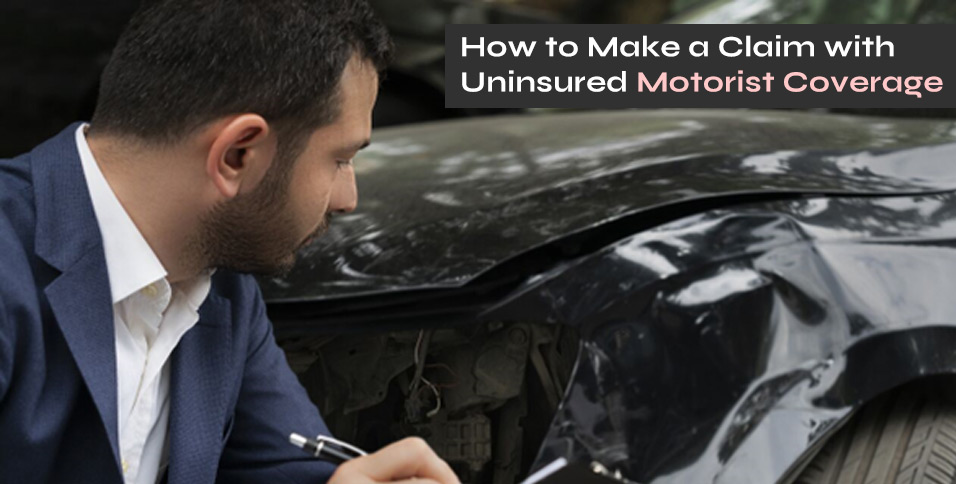
Uninsured motorist (UM) coverage is part of your auto insurance policy. It applies when the at-fault driver has no insurance or, in some cases, cannot be identified (like in hit-and-run accidents).
Claiming this coverage means turning to your own insurer for compensation instead of pursuing the other driver. Here, you rely on your policy to recover medical costs, lost income, and other damages.
However, accidents involving drivers without insurance can leave you feeling stuck, especially when there’s no obvious source of compensation. Understanding the exact steps to file a claim and when to involve a personal injury lawyer can make the process far less overwhelming.
Step-by-Step: How to Make a Claim
Filing a claim with uninsured motorist coverage is a step-by-step process that requires attention to detail. Here’s a quick overview.
- Get Medical Care First: Start by seeking medical attention right away. Even minor injuries should be evaluated, as medical records serve as key evidence in your claim.
This step not only protects your health but also directly links your injuries to the accident.
- Call the Police and File a Report: A police report is one of the most important documents in an uninsured motorist claim. It provides an official account of the accident and confirms that the other driver lacks insurance.
Make sure to request a copy for your records.
- Notify Your Insurance Company Promptly: Contact your insurer as soon as possible to report the accident. Let them know you will be filing an uninsured motorist claim.
Be clear but cautious when explaining what happened. Many people choose to speak with a car accident lawyer before giving detailed, recorded statements.
- Collect and Submit Evidence: Your claim depends heavily on the evidence you provide. Gather and submit:
Photos of the accident scene and vehicle damage
Medical reports and bills
Witness statements
Proof of lost wages
The more organized your documentation, the smoother your claim process will be.
- Review Your Policy Coverage: Take time to understand what your uninsured motorist coverage includes. Policies vary, and your compensation depends on your coverage limits.
An accident lawyer can help interpret your policy and ensure you’re not missing out on benefits you’re entitled to claim.
- Work With a Lawyer if Needed: While not mandatory, having a personal injury lawyer can make a big difference. They help you:
Avoid mistakes when communicating with insurers
Accurately calculate your total damages
Push back against low settlement offers
If your case becomes complicated, legal support becomes even more valuable.
- Negotiate Your Settlement: Once your insurer reviews your claim, they will usually make a settlement offer. This first offer is often lower than what you may deserve.
Take your time to review it carefully. A car accident lawyer can negotiate on your behalf to secure a fair amount.
- Take Further Action if the Claim Is Denied: If your claim is denied or undervalued, you still have options. Depending on your policy, you may:
Request arbitration
File an internal appeal
Pursue legal action
This is where professional legal guidance becomes critical.
Common Mistakes to Avoid
When making a claim, small missteps can affect your outcome. Watch out for:
- Delaying medical treatment
- Missing reporting deadlines
- Giving recorded statements without preparation
- Accepting the first settlement too quickly
Avoiding these mistakes helps protect the value of your claim.
Key Takeaways
- Report the accident and notify your insurer as soon as possible.
- Strong medical records and evidence are essential for your claim.
- Understand your uninsured motorist coverage before proceeding.
- Don’t rush into accepting a settlement offer.
An experienced personal injury lawyer can guide you through the process and improve your chances of fair compensation.