A modern fintech app is no longer just a place to check a balance or send money. As people manage work, travel, shopping, savings, and digital assets across borders, the need for integrated financial solutions continues to grow. Users want fast access to banking tools, simple payments, reliable transfers, and secure crypto storage without switching between several platforms. This shift is changing how digital finance works. By combining mobile banking, IBAN accounts, payment cards, SEPA transfers, and crypto wallets, fintech platforms are creating a more connected way to manage money.
The Rise of Fintech and Digital Banking
Financial technology has moved from a niche concept to a central part of daily life. Traditional banking is still important, but users now expect speed, transparency, and control from their financial services. Fintech companies have helped raise these expectations by offering app-based tools that work around the clock.
Digital banking also reflects broader changes in how people earn, spend, and move money. Freelancers receive payments from international clients. Travelers need cards that work across regions. Businesses want faster settlement. Crypto users need access to blockchain-based assets along with regular bank accounts.
This demand has pushed fintech platforms to build services around convenience and interoperability. Instead of treating banking, payments, and crypto as separate activities, a modern financial technology platform can connect them through one user experience.
Why a Fintech App Is Becoming a Financial Hub
A fintech app becomes valuable when it reduces friction. Users do not want to manage one app for payments, another for transfers, another for crypto, and another for cards. A single platform can simplify this by bringing key services into one account environment.
The result is a digital financial hub where users can:
- View balances across different wallets
- Send and receive money through payment rails
- Use cards for online and in-store purchases
- Manage fiat currencies and crypto assets
- Track transactions in real time
- Access account tools from a mobile device
This model supports better financial visibility. When users can see their money in one place, they can make faster and more informed decisions. It also improves user experience because fewer steps are needed to complete common tasks.
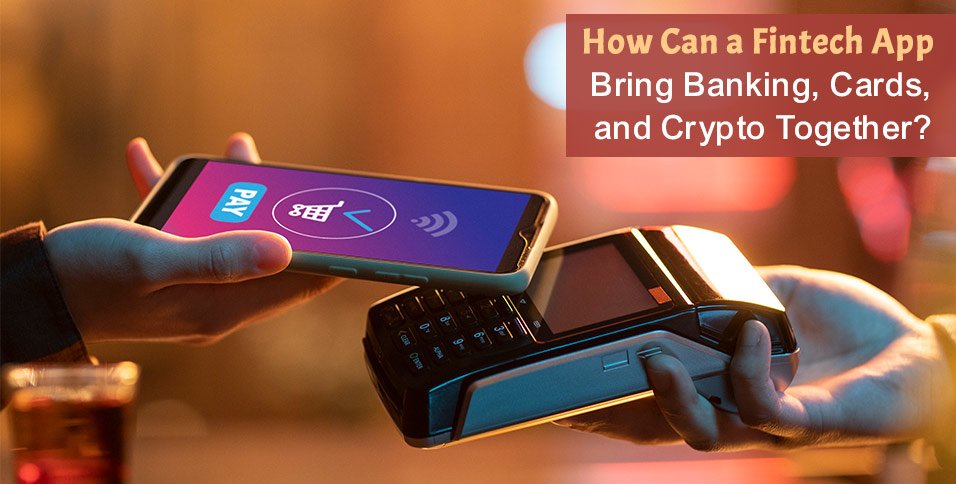
For example, someone may receive funds into an IBAN account, move money with a SEPA transfer, pay by card, and monitor crypto holdings from the same interface. Platforms such as the blackcat site reflect how fintech services are evolving toward this all-in-one approach, where banking and digital asset tools can exist within a connected ecosystem.
Mobile Banking Convenience for Everyday Money Management
Mobile banking has become the base layer of most fintech services. It gives users access to their accounts without needing a physical branch or desktop banking portal. This is especially useful for people who travel often, work remotely, or manage money across different locations.
With mobile banking, users can check balances, review transactions, receive alerts, and make transfers from a smartphone. Many apps also include spending insights, account statements, and wallet controls. These features help users stay aware of their financial activity in real time.
Convenience matters because financial decisions often happen quickly. A user may need to pay a bill, confirm a transfer, freeze a card, or verify a transaction while on the move. A well-designed fintech platform can make these actions simple and secure.
The best user experience is not only about adding more features. It is about making each function easy to find and easy to use. Clear navigation, fast loading, transparent fees, and reliable notifications all play a role in building trust.
IBAN Accounts and SEPA Transfers for Cross-Border Payments
IBAN accounts are important for users who need structured, bank-style payment access. An International Bank Account Number helps identify accounts for local and cross-border transactions, especially across Europe and other supported regions. For individuals and businesses, this can make receiving and sending funds more efficient.
SEPA transfers are another key part of digital banking in Europe. The Single Euro Payments Area allows euro transfers between participating countries under a shared payment framework. This helps users send money across borders with more consistency than many older payment methods.
When a fintech platform supports IBAN accounts and SEPA transfers, it can offer practical benefits such as:
- Easier salary or client payment collection
- Faster euro transfers within supported regions
- More predictable payment processing
- Better support for cross-border transactions
- A stronger connection between digital wallets and banking rails
For small businesses, remote workers, and international users, these features can reduce dependence on slow or fragmented payment systems. They also help bridge the gap between traditional banking infrastructure and newer digital finance tools.
Payment Cards and Spending Flexibility
Payment cards remain one of the most familiar and useful financial tools. Even as digital wallets and blockchain payments grow, card networks still support everyday spending across online stores, physical merchants, subscriptions, and travel services.
A fintech app that includes payment cards can give users more flexibility. They may be able to spend directly from a linked balance, manage card limits, review purchases instantly, and use virtual cards for online payments. Some platforms also support physical cards for point-of-sale transactions and ATM access.
Card controls are especially useful for security. Users can freeze or unfreeze a card, change spending limits, or monitor suspicious activity through the app. This gives them more control than waiting for customer support or visiting a branch.
Payment cards also connect digital accounts to the real economy. A user may receive funds through an IBAN, hold money in a wallet, and spend with a card when needed. This smooth connection between account balance and daily spending is one reason integrated fintech platforms are becoming more attractive.
Crypto Wallets and Digital Asset Management
Crypto wallet functionality adds another layer to modern financial management. As digital assets become more common, users need safe and practical ways to store, send, and receive cryptocurrencies. A crypto wallet allows access to blockchain-based assets, while the platform may also provide tools for tracking balances and transaction history.
Asset custody is a key consideration. Some wallets are custodial, meaning the platform manages private keys on behalf of the user. Others are non-custodial, where users control their own keys. Each model has trade-offs involving convenience, responsibility, and security.
For mainstream users, built-in crypto wallet tools can make digital assets easier to manage. Instead of using several exchanges or wallet apps, they can view crypto alongside fiat balances. This does not remove the risks of price volatility, blockchain fees, or regulatory change, but it can improve visibility and access.
A responsible fintech platform should also make crypto features clear. Users need to understand transaction finality, network fees, asset availability, and custody terms before moving funds. Clear information supports better decisions and helps reduce confusion.
Managing Fiat and Crypto in One Ecosystem
The combination of fiat and crypto tools is one of the strongest trends in fintech. Many users no longer see these financial categories as completely separate. They may hold euros for bills, use cards for spending, and keep crypto assets for trading, transfers, or long-term exposure.
An integrated ecosystem can make this easier by offering multiple wallet types within one interface. Fiat wallets may connect to IBAN accounts and SEPA payment rails. Crypto wallets may connect to blockchain networks. Payment cards may support spending from selected balances, depending on the platform’s structure.
This multi-wallet experience creates practical value. Users can monitor different types of assets without constant app switching. They can also understand their overall financial position more clearly.
For businesses, integrated money management can support global operations. A company may receive payments from clients, pay contractors, manage operational funds, and hold digital assets where suitable. While compliance and accounting needs remain important, centralized visibility can help teams work more efficiently.
Security, Compliance, and the Future of Integrated Finance
Security is central to any fintech service. Users trust platforms with sensitive data, payment access, and financial assets. Strong authentication, encryption, transaction monitoring, and secure infrastructure are essential.
Compliance also shapes how fintech platforms operate. KYC, or Know Your Customer, helps verify user identity. AML, or Anti-Money Laundering, processes help detect and prevent illegal activity. These controls may add steps during onboarding, but they support safer financial systems.
As fintech develops, the future will likely focus on more personalized and connected services. Artificial intelligence may improve fraud detection and spending insights. Open banking may allow users to connect more accounts. Blockchain infrastructure may support new payment and settlement models.
Still, the most successful platforms will be those that balance innovation with trust. Speed and convenience matter, but users also need clear terms, reliable support, transparent fees, and strong protection for their money.
Conclusion
A modern fintech app brings together tools that many users now need every day: mobile banking, IBAN accounts, SEPA transfers, payment cards, and crypto wallets. This integrated model supports convenient money management, secure digital payments, and better visibility across fiat and cryptocurrency assets. It also reflects a wider shift toward financial flexibility, where users expect services to work across borders, devices, and asset types. As digital finance continues to evolve, platforms that combine accessibility, compliance, security, and a smooth multi-wallet experience will play an important role in how people manage money.