Quality assurance in skincare packaging extends far beyond aesthetic appeal. The containers, closures, and materials that house cosmetic formulations must meet rigorous international standards to ensure product safety, regulatory compliance, and consumer protection. As the global cosmetics packaging market continues its expansion—valued at USD 25.9 billion in 2018 with projected annual growth of 4.8%—industry stakeholders face increasing pressure to balance innovation with safety and sustainability. Understanding the certification frameworks and modern design processes that define reputable packaging suppliers helps brands make informed sourcing decisions that protect both products and consumers.
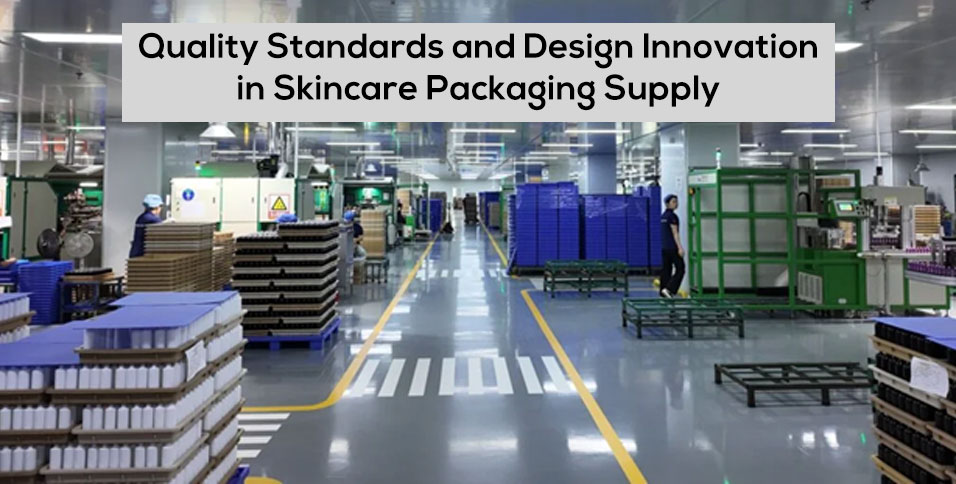
A modern packaging manufacturing factory
Essential Certifications for Packaging Manufacturers
International certifications serve as objective indicators that packaging suppliers maintain consistent quality management systems. ISO 9001 certification establishes the foundation for quality management, requiring documented procedures for production monitoring, regular inspections, and corrective action protocols. This standard ensures suppliers implement systematic approaches to identifying and addressing defects or nonconformities in packaging products.
Environmental compliance certifications have become increasingly critical. REACH (Registration, Evaluation, Authorization and Restriction of Chemicals) compliance demonstrates that packaging materials undergo proper testing for chemical substances, while ROHS (Restriction of Hazardous Substances) certification confirms products remain free from hazardous materials including lead, mercury, and cadmium. For brands selling in European markets, these certifications are particularly important, as they validate compliance with strict EU chemical safety regulations.
Food-safe contact certifications like LFGB provide additional assurance for skincare packaging. Although skincare products are not ingested, formulations that contact skin require containers manufactured from materials that won’t leach harmful substances or react chemically with product ingredients. Working with a certified packaging manufacturer that holds these credentials reduces the risk of contamination issues that could compromise product safety or stability.
ISO 14001 environmental management certification addresses sustainability concerns that increasingly influence consumer purchasing decisions. This certification requires suppliers to monitor and reduce environmental impacts associated with packaging materials and production processes, including waste generation, energy consumption, and emissions. Suppliers with ISO 14001 demonstrate commitment to setting environmental goals and continuously improving sustainability practices.
Regulatory Compliance Requirements
Cosmetic packaging must satisfy specific regulatory requirements that vary by market. In the United States, FDA regulations mandate that product labels include specific information: product identity, net quantity of contents, complete ingredient lists in descending order of predominance, usage directions, and manufacturer contact information. The label format must follow precise specifications regarding font size, typeface, and placement to ensure readability.
European Union cosmetics regulations impose additional requirements, including mandatory cosmetic symbols that communicate important product data without language barriers. The “period after opening” symbol (an open jar icon) indicates how long a product remains safe to use after first opening, while other symbols denote recyclability and disposal instructions. In 2025, the personal care industry continues adapting to evolving regulatory frameworks designed to enhance safety standards and address environmental concerns.
Packaging materials themselves must undergo rigorous evaluation to ensure they protect products against microbial contamination. Research examining over 800 packages of different origins identified significant variations in protective efficiency, leading to classification systems that differentiate packaging performance. Suppliers should conduct compatibility testing to verify containers won’t interact adversely with formulation ingredients, particularly for products containing essential oils or acidic compounds.
The Role of 3D Prototyping in Modern Packaging Design
Traditional packaging design processes relied heavily on 2D drawings and physical prototypes, creating lengthy iteration cycles and significant material waste. Modern 3D prototyping technology has transformed this workflow, enabling designers to visualize packaging concepts with exceptional accuracy before committing to production tooling. Physical and digital prototypes allow examination from multiple angles, helping identify potential design flaws that might not be apparent in flat renderings.
The iterative nature of 3D prototyping delivers substantial efficiency gains. Designers can quickly modify packaging concepts, experiment with different materials and shapes, and make necessary adjustments without incurring the significant costs and time delays associated with traditional prototyping methods. When an entire packaging design can be tweaked by adjusting digital parameters, designers communicate proposals clearly and in real time, dramatically accelerating iteration loops.
Services that provide rapid 3D design concept development—some suppliers now offer preliminary models within one business hour—further compress design timelines. These preliminary digital representations focus on core shape and form, allowing brand teams to conduct swift internal reviews and conceptual approvals before progressing to detailed engineering or photorealistic rendering. Interactive file formats enable stakeholders to rotate models 360 degrees, zoom to examine details, and share concepts across teams without requiring specialized software.
Sustainability Benefits of Digital Prototyping
Beyond speed advantages, 3D prototyping supports sustainability objectives that resonate with environmentally conscious consumers. Traditional prototyping generates physical waste through multiple sample iterations, each requiring materials, production energy, and shipping. Digital workflows eliminate this waste by enabling designers to iterate virtually, visualizing dieline cuts and print effects like embossed logos entirely in 3D. The need for physical samples decreases substantially, reducing both material consumption and carbon emissions from prototype shipping.
This sustainability advantage aligns with broader industry trends toward eco-conscious packaging materials. As brands increasingly adopt recycled plastics, biodegradable materials, and refillable systems, the ability to validate these material choices digitally before physical production becomes valuable. Digital prototyping allows testing of how sustainable materials perform aesthetically and functionally without producing multiple physical samples.
Enhanced Collaboration Through 3D Visualization
Effective packaging development requires coordination among diverse stakeholders including brand teams, marketing departments, regulatory specialists, and production personnel. Physical 3D prototypes or high-fidelity digital models bridge communication gaps by providing tangible representations that all stakeholders can evaluate. This shared visual reference streamlines decision-making processes and minimizes misunderstandings that can arise when different teams interpret 2D specifications differently.
For brands operating in multiple markets, 3D visualization facilitates communication with international manufacturing partners and regulatory consultants. Digital files can be shared instantly across time zones, enabling global teams to provide input on packaging designs before tooling investments are made. This collaborative approach reduces the risk of costly modifications discovered late in the development process.
Competitive Differentiation Through Design Innovation
In crowded beauty retail environments, distinctive packaging serves as a powerful differentiator that captures consumer attention. Custom packaging aligned with brand identity creates memorable first impressions that influence purchasing decisions. Research indicates that 72% of consumers report packaging design affects their buying choices, making design quality a significant competitive factor.
3D prototyping enables brands to push creative boundaries by facilitating experimentation with unique shapes, materials, and structural innovations. The ability to visualize unconventional designs accurately before production reduces the financial risk of innovative concepts. Brands can test whether bold design directions effectively communicate their intended brand personality and premium positioning.
Evaluating Supplier Capabilities
When assessing packaging suppliers, brands should verify both certification credentials and design support capabilities. Request documentation of ISO, REACH, ROHS, and relevant safety certifications, and confirm these credentials remain current through regular third-party audits. Suppliers should demonstrate understanding of regulatory requirements across your target markets and offer guidance on compliance with labeling standards.
Evaluate the supplier’s design and prototyping services. Ask about turnaround times for preliminary 3D concepts, available file formats for stakeholder review, and the transition process from approved concepts to detailed engineering specifications. Suppliers offering integrated design services can accelerate development timelines and ensure designs remain manufacturable within production constraints.
Conclusion: Building on Quality Foundations
Selecting packaging suppliers requires evaluating objective quality indicators alongside design innovation capabilities. International certifications provide verifiable evidence of consistent manufacturing standards and regulatory compliance, while modern 3D prototyping accelerates design cycles and reduces environmental impact. Together, these elements form the foundation for packaging partnerships that protect product integrity, satisfy regulatory requirements, and create distinctive brand experiences in competitive markets.