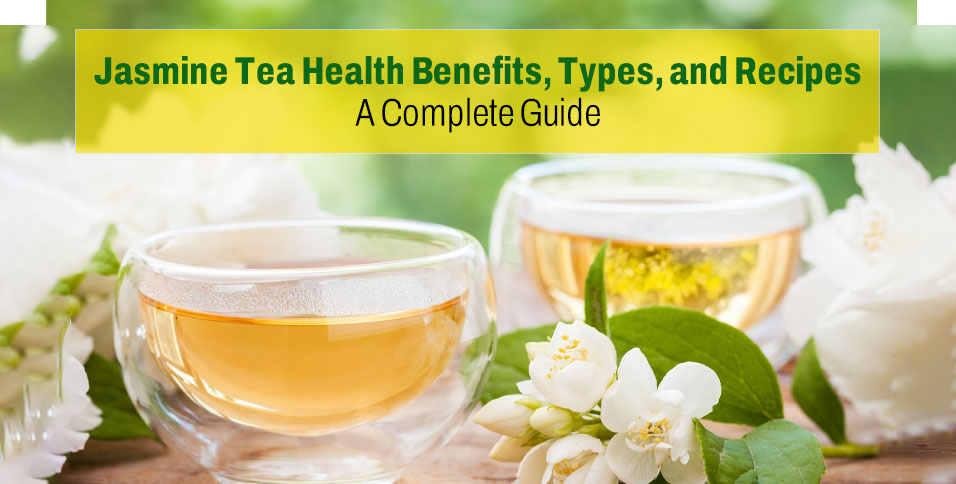
Tea has been a treasured beverage for centuries, enjoyed not only for its soothing taste but also for its countless health benefits. Among the many varieties available, jasmine tea stands out as one of the most aromatic and therapeutic options. Known for its delicate fragrance and floral notes, jasmine tea is more than just a calming drink — it is a wellness elixir that combines the rich properties of tea leaves with the enchanting essence of jasmine blossoms.
In this comprehensive guide, we will explore the health benefits of jasmine tea, the different types of jasmine tea, and some delicious recipes you can easily try at home.
What is Jasmine Tea?
Jasmine tea is a type of scented tea traditionally made by infusing green tea leaves with jasmine flowers. The process involves layering freshly harvested jasmine blossoms over tea leaves, allowing the floral fragrance to naturally permeate the tea. Once the scenting process is complete, the flowers are removed, but their aroma and subtle sweetness remain locked within the leaves.
Although green tea is the most common base, jasmine tea can also be made with white tea, black tea, oolong tea, or even pu-erh tea, offering diverse flavor profiles. What makes jasmine tea unique is its delicate floral aroma, which has a calming effect on the mind and enhances the overall tea-drinking experience.
Health Benefits of Jasmine Tea
The benefits of jasmine tea go far beyond its wonderful fragrance. Drinking this tea regularly can support both physical and mental health. Below are the most notable health benefits of jasmine tea:
1. Rich in Antioxidants
Jasmine tea, especially when made with green or white tea, is loaded with catechins and polyphenols. These powerful antioxidants help protect the body against free radical damage, which can accelerate aging and increase the risk of chronic diseases. Regular consumption supports cell repair, skin health, and overall immunity.
2. Promotes Heart Health
Studies suggest that drinking jasmine tea can improve cholesterol levels and reduce LDL (bad cholesterol) while promoting HDL (good cholesterol). The catechins in jasmine tea also support healthy blood circulation, reducing the risk of heart disease and stroke.
3. Aids in Weight Loss
For those aiming to shed extra pounds, jasmine tea can be a helpful companion. The catechins in green tea-based jasmine tea boost metabolism and encourage the body to burn fat more efficiently. Drinking a cup before or after meals may enhance calorie burning.
4. Supports Mental Health and Relaxation
The fragrance of jasmine flowers is known for its calming effect. Inhaling the aroma while sipping the tea can reduce stress, lower anxiety, and even improve mood. The moderate amount of caffeine in jasmine tea also provides gentle stimulation, increasing alertness without causing jitters.
5. Enhances Digestive Health
Jasmine tea contains antimicrobial properties that help fight harmful bacteria in the gut, improving overall digestion. It also reduces bloating, eases stomach discomfort, and promotes smoother bowel movements.
6. Regulates Blood Sugar Levels
Some studies have shown that jasmine green tea can help regulate blood glucose levels. For individuals at risk of or living with type 2 diabetes, drinking jasmine tea regularly may support better blood sugar control.
7. Strengthens Immune System
Packed with antioxidants, vitamins, and minerals, jasmine tea provides a natural boost to the immune system. It helps the body fight common illnesses such as colds and flu.
8. Improves Oral Health
The polyphenols in jasmine tea possess antibacterial properties that can fight bacteria responsible for plaque and bad breath. Drinking jasmine tea can contribute to healthier teeth and gums.
9. Protects Against Certain Cancers
The catechins and polyphenols in jasmine tea may reduce the risk of cell mutations and cancer growth. While more research is needed, regular consumption of jasmine tea is considered beneficial for long-term wellness.
10. Promotes Healthy Skin
The antioxidants in jasmine tea slow down premature aging, reduce fine lines, and maintain skin elasticity. Some people even use cooled jasmine tea as a natural toner for glowing skin.
Types of Jasmine Tea
While jasmine tea is often associated with green tea, it can be prepared using different base teas, each offering unique flavor notes and benefits. Below are the main types of jasmine tea:
1. Jasmine Green Tea
- Most popular type of jasmine tea.
- Combines the fresh, grassy taste of green tea with floral sweetness.
- Rich in antioxidants and ideal for boosting energy, weight loss, and mental clarity.
2. Jasmine White Tea
- Uses young tea leaves and buds as the base.
- Very delicate, light, and subtly sweet.
- High in antioxidants, excellent for skin health and relaxation.
3. Jasmine Black Tea
- Stronger flavor with a bold and malty taste.
- Higher in caffeine compared to green or white jasmine tea.
- Good for boosting focus and energy levels.
4. Jasmine Oolong Tea
- Semi-oxidized tea that balances floral aroma with a rich, smooth taste.
- Offers digestive benefits and supports metabolism.
5. Jasmine Pu-erh Tea
- Uses fermented tea leaves as the base.
- Earthy, deep flavor paired with jasmine’s floral sweetness.
- Known for aiding digestion, weight management, and detoxification.
Jasmine Tea Recipes You Can Try at Home
One of the best things about jasmine tea is that it can be enjoyed in several creative ways. From traditional brews to modern twists, here are some delicious jasmine tea recipes:
1. Classic Jasmine Green Tea
Ingredients:
- 1 teaspoon loose-leaf jasmine green tea (or 1 tea bag)
- 1 cup hot water (80–85°C / 176–185°F)
- Honey or lemon (optional)
Method:
- Heat water to just below boiling.
- Add tea leaves and steep for 2–3 minutes.
- Strain and serve hot with honey or lemon if desired.
2. Jasmine Iced Tea
Ingredients:
- 2 teaspoons jasmine tea leaves
- 2 cups water
- Ice cubes
- Fresh mint or lemon slices
Method:
- Brew jasmine tea and allow it to cool.
- Pour over ice in a tall glass.
- Garnish with mint or lemon slices.
3. Jasmine Milk Tea (Bubble Tea Style)
Ingredients:
- 1 cup jasmine tea (brewed strong)
- ½ cup milk (dairy or plant-based)
- Sweetener of choice (sugar, honey, or syrup)
- Tapioca pearls (optional, for bubble tea)
Method:
- Brew strong jasmine tea and let it cool slightly.
- Add milk and sweetener.
- Pour over tapioca pearls in a glass and serve with a wide straw.
4. Jasmine Tea Latte
Ingredients:
- 1 cup jasmine tea
- ½ cup steamed milk
- Honey or vanilla syrup
Method:
- Brew jasmine tea and pour into a mug.
- Add steamed milk and sweetener.
- Stir well and enjoy a creamy, floral latte.
5. Jasmine Lemon Detox Tea
Ingredients:
- 1 teaspoon jasmine tea
- 1 cup hot water
- ½ lemon (juice)
- A pinch of ginger
Method:
- Steep jasmine tea in hot water for 3 minutes.
- Add lemon juice and ginger.
- Enjoy this detoxifying, refreshing drink.
Best Practices for Brewing Jasmine Tea
To get the best flavor and maximum benefits from jasmine tea, follow these brewing tips:
- Use filtered water for a cleaner taste.
- Avoid boiling water; use water between 75–85°C for green and white teas.
- Steep for 2–3 minutes only to avoid bitterness.
- Always cover the teapot while steeping to trap the aroma.
- Experiment with multiple infusions — high-quality jasmine tea leaves can be steeped 2–3 times.
Potential Side Effects of Jasmine Tea
While jasmine tea is generally safe, moderation is important. Possible side effects include:
- Caffeine Sensitivity: Can cause insomnia, restlessness, or rapid heartbeat if consumed in excess.
- Stomach Irritation: Drinking on an empty stomach may cause acidity in some people.
- Pregnancy Concerns: High caffeine intake should be avoided during pregnancy; consult a doctor.
- Allergies: Rare, but some individuals may be sensitive to floral scents.
Conclusion
Jasmine tea is more than just a delightful beverage — it’s one of the most treasured varieties of Chinese tea, often enjoyed as a pure loose leaf tea that reflects centuries of tea culture. Packed with antioxidants, mental health benefits, and natural healing properties, jasmine tea supports heart health, digestion, weight management, and even glowing skin.
Whether made with Chinese loose leaf green tea, white tea, oolong, black, or pu-erh, jasmine tea offers endless possibilities. From refreshing iced tea to comforting lattes and detox blends, it’s a versatile choice that fits into every lifestyle.
Choosing authentic Chinese loose leaf tea ensures you experience the freshest floral aroma and the truest taste — far beyond what you find in ordinary tea bags. Whether you drink it for relaxation, gentle energy, or simply its enchanting fragrance, jasmine tea deserves a place in your daily wellness routine.
So brew a cup of pure loose leaf jasmine tea, inhale its soothing fragrance, and let this timeless treasure of Chinese tea culture enhance both your health and your happiness.