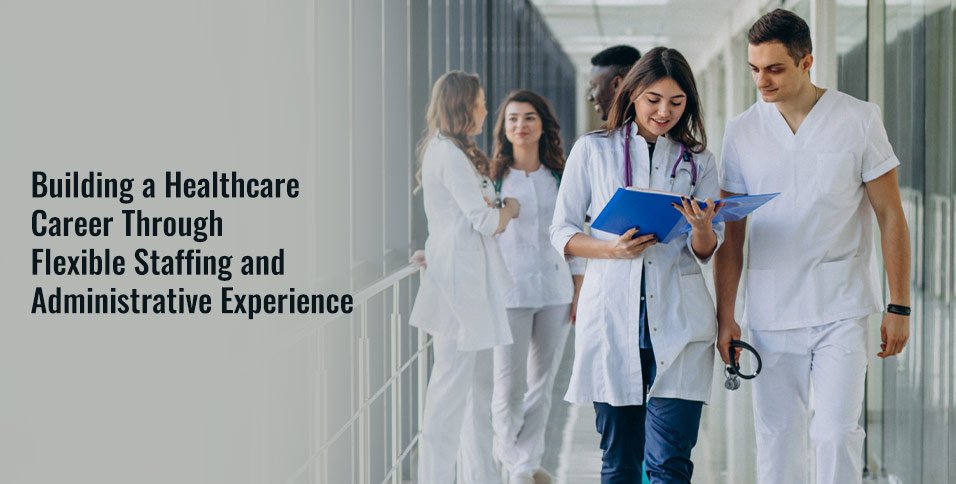
The healthcare industry continues to reshape traditional career trajectories, offering professionals alternative pathways that combine clinical practice with administrative expertise. Flexible staffing models, from travel nursing to per diem assignments, now serve as legitimate foundations for long-term career development rather than temporary solutions. When paired with skills in medical documentation and healthcare operations, these experiences create a unique professional profile that addresses critical industry needs. Understanding how to strategically leverage these opportunities determines whether a healthcare career merely survives or truly thrives.
Why Flexible Career Paths Are Growing in the Healthcare Industry
As healthcare systems face unprecedented workforce shortages and evolving patient care models, the industry has increasingly embraced flexible career pathways that allow professionals to adapt their roles and schedules. This shift addresses critical staffing gaps while accommodating workers seeking better work-life balance.
Per diem positions, travel nursing, and contract-based roles have expanded considerably, offering healthcare professionals control over their schedules and exposure to diverse clinical settings. The rise of telehealth has further accelerated flexible opportunities, enabling remote consultations and administrative work. Healthcare organizations recognize that rigid, traditional employment models no longer attract or retain talent effectively.
Flexible pathways also provide entry points for career changers and recent graduates to gain experience across multiple specialties before committing to specific roles, creating a more adaptable and resilient healthcare workforce.
Exploring Travel Nursing Agency Jobs for Experience and Career Mobility
Travel nursing agencies offer healthcare professionals a distinctive pathway to accelerate career development while earning competitive compensation. Many travel nursing agency jobs also provide flexible scheduling opportunities that allow nurses to explore different regions while expanding their clinical experience.
These positions allow nurses to work short-term assignments across different healthcare facilities, typically ranging from eight to thirteen weeks. This mobility provides exposure to diverse clinical environments, patient populations, and medical technologies that would take years to encounter in a single permanent position.
The experience gained through travel assignments strengthens clinical competencies and adaptability, qualities highly valued by employers. Nurses develop expertise in quickly integrating into new teams and maneuvering varied electronic health record systems.
Travel positions often include housing stipends, travel reimbursements, and completion bonuses that exceed standard nursing salaries. For career advancement, this varied experience demonstrates versatility and initiative, making professionals competitive candidates for leadership roles and specialized positions.
Understanding the Role of Chronology Medical Documentation in Healthcare Administration
While clinical skills remain essential for healthcare professionals, mastery of chronological medical documentation has become equally critical for career advancement in healthcare administration. Understanding the chronology medical definition helps administrators interpret how sequential medical records support compliance, continuity of care, and legal accuracy across healthcare systems.
Chronological documentation creates detailed patient care timelines, enabling administrators to track treatment progressions, identify care gaps, and guarantee regulatory compliance. This systematic approach organizes medical records sequentially, facilitating efficient information retrieval during audits, legal proceedings, and quality assurance reviews.
Healthcare administrators who understand chronological documentation principles can streamline workflows, reduce liability risks, and improve interdepartmental communication. They recognize that accurate timestamping and logical sequencing protect both patients and institutions.
Proficiency in these documentation standards positions professionals for leadership roles overseeing medical records departments, compliance divisions, and health information management systems. As healthcare organizations increasingly prioritize data integrity and electronic health records, chronological documentation expertise distinguishes candidates in competitive administrative markets.
Key Skills Needed for Success in Clinical and Administrative Healthcare Roles
Excellence in healthcare demands a dual foundation of technical competencies and interpersonal capabilities that vary considerably between clinical and administrative pathways. Clinical roles prioritize patient assessment, treatment protocols, and diagnostic accuracy alongside critical thinking under pressure. Medical terminology mastery and adherence to safety standards remain non-negotiable requirements.
Administrative positions emphasize organizational efficiency, data management, and regulatory compliance. Professionals must navigate electronic health records systems, insurance verification processes, and scheduling coordination with precision. Strong communication bridges both domains, enabling effective collaboration between departments and clear patient interactions.
Adaptability proves essential as healthcare evolves through technological advancement and policy changes. Problem-solving skills address unexpected challenges, while attention to detail prevents costly errors. Time management guarantees productivity without compromising care quality, distinguishing exceptional healthcare professionals from adequate performers.
Balancing Patient Care Responsibilities With Accurate Documentation Practices
Healthcare professionals face a persistent tension between delivering immediate patient care and maintaining extensive documentation standards. This balance requires strategic time management and efficient workflows that protect both patient safety and legal compliance.
Accurate documentation serves multiple critical functions: ensuring continuity of care, supporting proper billing, protecting against liability claims, and facilitating communication among treatment teams. However, excessive paperwork can reduce time available for direct patient interaction, potentially compromising care quality.
Successful healthcare workers develop systems to document in real-time using electronic health records, voice recognition software, and standardized templates. They prioritize essential information while avoiding unnecessary details.
Organizations increasingly implement scribes and streamlined documentation protocols to reduce administrative burden, allowing clinicians to focus primarily on patient needs while maintaining thorough medical records.
How Staffing Flexibility Supports Healthcare Facilities and Professionals
Staffing challenges represent one of the most significant operational concerns facing healthcare organizations today, as patient volumes fluctuate unpredictably while the demand for qualified professionals consistently exceeds supply.
Flexible staffing models address these issues by enabling facilities to scale their workforce according to real-time needs, preventing both understaffing during peak periods and overstaffing during slower times.
For healthcare professionals, flexible arrangements provide autonomy over scheduling, geographic preferences, and assignment duration. This control enhances work-life balance and reduces burnout risks associated with mandatory overtime and inflexible schedules.
Facilities benefit from accessing specialized skill sets on demand without long-term employment commitments, while maintaining continuity of patient care. Per diem, travel, and contract positions fill critical gaps, ensuring adequate coverage across departments and shifts while containing labor costs.
Technology and Digital Records in Modern Healthcare Operations
Digital transformation has fundamentally altered how medical information flows through healthcare systems, replacing paper-based processes with interconnected electronic platforms that enable instant access to patient histories, treatment protocols, and diagnostic results.
Healthcare professionals must now demonstrate proficiency with electronic health records (EHR), practice management software, and telehealth platforms to remain competitive in modern clinical environments. Administrative staff managing these digital systems require training in data security protocols, HIPAA compliance standards, and software troubleshooting procedures.
Temporary positions often provide exposure to multiple EHR platforms, including Epic, Cerner, and Meditech, building transferable technical skills across different healthcare organizations. This technological literacy enhances career prospects, as facilities increasingly prioritize candidates who can navigate digital workflows efficiently while maintaining accuracy in documentation and patient communication.
Career Advancement Opportunities in Healthcare Staffing and Administration
While many professionals view administrative roles as endpoints, strategic positioning within healthcare staffing operations actually opens pathways toward management, specialized recruitment, and operational leadership positions.
Healthcare staffing coordinators frequently advance to regional director roles, overseeing multiple facilities and budget allocation. Administrative experience translates into credentials management positions, requiring expertise in licensing verification and compliance oversight.
Senior recruitment specialists often shift into workforce planning roles, analyzing staffing patterns and predicting organizational needs. Those demonstrating operational proficiency may pursue healthcare operations management, directing departmental integration and process optimization.
Staffing administration provides foundational knowledge for consulting opportunities, where professionals advise healthcare organizations on workforce strategies. Understanding both clinical requirements and administrative frameworks positions individuals for executive-level healthcare management roles requiring thorough operational knowledge.
Future Trends in Flexible Healthcare Employment and Medical Documentation
As healthcare systems increasingly embrace remote capabilities and technological integration, flexible employment models are reshaping how medical professionals deliver care and maintain documentation.
Telemedicine platforms now enable physicians and nurses to provide consultations across multiple facilities without geographic constraints, while AI-powered documentation tools streamline clinical note-taking and reduce administrative burden.
Blockchain technology is emerging to secure patient records and verify credentials instantly, facilitating seamless shifts between assignments. Predictive analytics help match healthcare workers with facilities experiencing demand surges, optimizing resource allocation.
Virtual medical scribes and automated coding systems are transforming documentation workflows, allowing clinicians to focus on patient interaction. These technological advances create opportunities for professionals seeking schedule flexibility while maintaining clinical excellence and meeting evolving healthcare delivery standards.