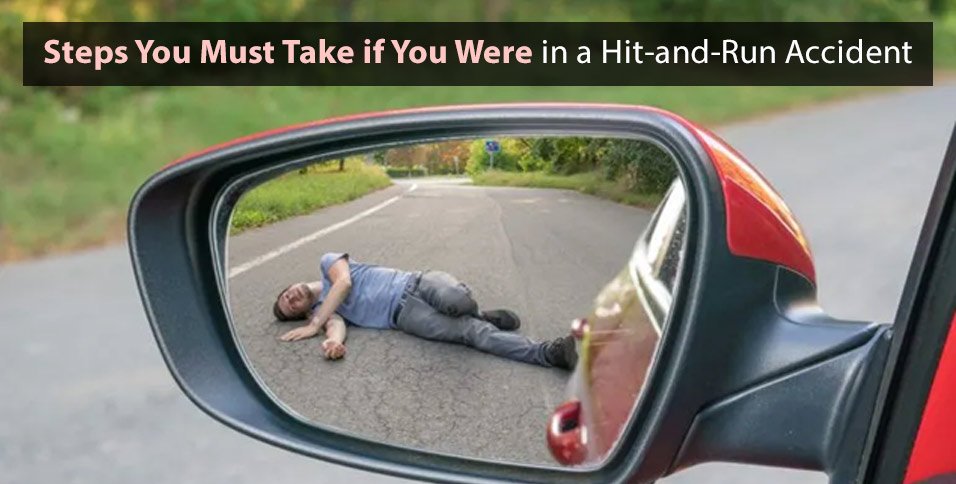
Getting hit by a driver who speeds off leaves you dealing with damage, possible injuries, and no one to hold accountable on the spot. The first few minutes matter most, since evidence like license plates, vehicle descriptions, and witnesses can disappear fast. Acting quickly and in the right order gives you the best chance of identifying the other driver later.
Knowing the steps to take after a hit-and-run can make the difference between an open case and one that stalls out. Police need specific details to start an investigation, and insurance companies often require documentation you can only gather right after the crash. The steps below walk through exactly what to do, in order.
Stay at the Scene and Check for Injuries
Never chase the other driver, even if you’re angry or want their plate number. This can lead to a second accident and puts you at further risk.
Instead, stay where you are and check yourself and any passengers for injuries. If anyone is hurt, call 911 immediately and let dispatch know it was a hit-and-run so they can send the right response.
Try to Get Details About the Other Vehicle
In the seconds before the other driver disappears, try to catch as many details as possible. Even partial information can help police narrow down a search.
- License plate number, even if it’s only partial
- Make, model, and color of the vehicle
- Any visible damage on the fleeing car
- Direction the vehicle went after leaving
- Distinguishing features, like bumper stickers or a broken taillight
Write these details down as soon as you can, since memory fades quickly after a stressful event.
Call the Police and File a Report
A police report is essential in hit-and-run cases, even more so than in a typical accident. Without it, insurance companies have little to work with.
- Call 911 or your local non-emergency line if there are no injuries.
- Tell the dispatcher it was a hit-and-run so they know to look for a suspect vehicle.
- Give the officer every detail you remember, even if it seems minor.
- Ask for the report number before the officer leaves the scene.
- Request a copy of the report once it’s finalized.
Filing quickly increases the chance that police can act on fresh information, like nearby traffic cameras that haven’t been overwritten yet.
Document the Scene Thoroughly
Once you know everyone is safe, take a few minutes to document what you can. This becomes important evidence later, especially if the other driver is never identified.
- Photograph your vehicle’s damage from multiple angles
- Capture any debris left behind by the other vehicle
- Take pictures of the road, traffic signals, and surrounding area
- Note the exact time and location of the crash
- Look for nearby businesses or homes that might have security cameras
Security footage from a nearby store or traffic camera can sometimes catch what witnesses missed.
Look for Witnesses
If anyone saw the crash, their account could be critical, especially if they caught more of the other vehicle than you did. Ask politely for their name and phone number before they leave.
Witnesses sometimes notice details drivers miss in the moment, like a partial plate number or the direction the car turned. Even someone who only saw part of the incident can help confirm your version of events.
Contact Your Insurance Company
Report the accident to your insurance provider as soon as possible, even though the other driver is unknown. Many policies include uninsured motorist coverage, which can apply directly to hit-and-run cases.
Give your insurer the police report number and any documentation you gathered at the scene. Being upfront about what happened, including what you don’t know, helps avoid delays in processing your claim.
Key Takeaways
- Stay at the scene and never chase the fleeing driver.
- Gather as much vehicle detail as possible before memory fades.
- File a police report immediately, since it’s critical in hit-and-run cases.
- Photograph the scene and look for nearby security cameras.
- Witnesses can provide details you may have missed.
- Uninsured motorist coverage often applies to hit-and-run claims.
- Acting quickly gives investigators the best chance of finding the driver.