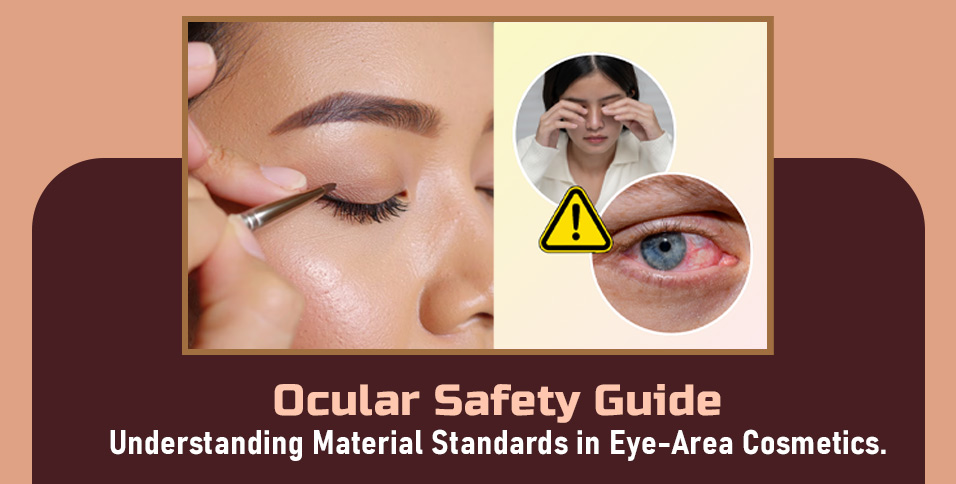
Have you ever wondered what makes your daily mascara safe? Products you apply near your eyes go through rigorous testing and approval processes. These steps protect your vision and health.
Your eyes are incredibly delicate organs. The skin surrounding them requires special care with makeup application. Safety standards exist to keep you protected.
This guide reveals everything about eye cosmetics safety and FDA regulations. Learn how regulatory bodies safeguard your ocular health every day. We’ll explore approved ingredients and restricted materials.
Discover the cosmetic safety standards that manufacturers must follow. Understanding these regulations helps you shop with confidence. Make smarter choices for your sensitive eyes.
Learn about eye makeup safety protocols used by the industry. Discover why certain ingredients are prohibited near your eyes. Find out which ones are safe for long-term use.
Your vision is precious, and the industry protects it. Cosmetics companies take extensive measures for your safety. Let’s explore the standards that keep beauty products effective and safe!
Understanding Material Safety Standards and Regulatory Requirements
Makeup near your eyes relies on a comprehensive regulatory system working behind the scenes. This framework combines federal oversight, international standards, and rigorous testing protocols. Understanding these eye cosmetic regulations helps you make informed choices about ocular health.
The regulatory landscape for eye cosmetics operates on multiple levels. Manufacturers must navigate federal requirements, industry standards, and clinical validation processes. This multi-layered approach creates essential safeguards that protect the delicate eye area from potential harm.
Federal Oversight and Manufacturing Guidelines
The Food and Drug Administration serves as the primary watchdog for cosmetic safety. Under the Federal Food, Drug, and Cosmetic Act, manufacturers bear full responsibility for product safety. Companies must verify safety before selling a single tube of mascara or eye shadow palette.
FDA cosmetics regulations establish clear boundaries for what ingredients can appear in eye-area products. The agency maintains a specific list of approved colorants for use near the eyes. Many colorants suitable for other cosmetic applications are strictly prohibited in eye products.
Manufacturers must follow Good Manufacturing Practices beyond ingredient restrictions. These guidelines cover everything from facility cleanliness to quality control procedures. Companies that cut corners risk product recalls and serious legal consequences.
International Quality Benchmarks
Many reputable cosmetic manufacturers pursue ISO cosmetic standards beyond basic federal requirements. The International Organization for Standardization provides globally recognized quality frameworks. ISO 22716 specifically addresses Good Manufacturing Practices for cosmetics, establishing uniform standards across borders.
These international standards create consistency in production processes worldwide. They mandate proper hygiene protocols, equipment maintenance schedules, and comprehensive quality control measures. ISO certification demonstrates commitment to cosmetic safety testing exceeding minimum legal requirements.
The certification process involves rigorous audits and ongoing compliance monitoring. Third-party auditors examine every aspect of production, from raw material sourcing to final packaging. This external validation provides an additional layer of consumer protection.
Clinical Validation and Expert Assessment
Eye cosmetics typically undergo extensive clinical trials before receiving ophthalmological approval. These studies involve real human volunteers tested under controlled medical supervision. Ophthalmologists carefully monitor participants for any signs of irritation, redness, tearing, or allergic reactions.
The testing protocols extend beyond simple patch tests. Clinical studies evaluate both immediate reactions and long-term safety profiles. Researchers document everything from minor discomfort to serious adverse events.
Leading brands often exceed mandatory testing requirements by conducting additional studies. Some companies perform repeated-use trials spanning several weeks to identify delayed reactions. Others test products on individuals with sensitive eyes or contact lens wearers.
| Regulatory Body | Primary Focus | Key Requirements | Enforcement Level |
| FDA (United States) | Ingredient safety and labeling accuracy | Pre-market safety validation, approved colorant lists, adverse event reporting | Mandatory federal compliance |
| ISO 22716 | Manufacturing quality and consistency | Facility hygiene, equipment maintenance, personnel training, quality control | Voluntary international standard |
| Clinical Testing Labs | Ophthalmological and dermatological safety | Human trials, irritation studies, allergen testing, long-term use assessment | Industry best practice |
| EU Cosmetics Regulation | Comprehensive product safety assessment | Safety reports, ingredient restrictions, animal testing ban compliance | Mandatory for European market |
This comprehensive regulatory framework reflects decades of scientific research and consumer protection efforts. Choosing eye cosmetics from manufacturers who embrace these standards provides layers of protection designed for ocular safety. The combination of FDA cosmetics regulations, ISO certifications, and ophthalmological approval creates extensive safety nets.
Material Standards for Eye-Area Cosmetics: What Makes Products Safe
Safe eye makeup starts with understanding which materials are allowed near your eyes. The components in eye-area cosmetics must meet specific criteria that balance effectiveness with safety. These standards protect your vision while delivering the cosmetic results you want.
Every ingredient in eye cosmetics undergoes careful evaluation before it reaches your makeup bag. Manufacturers must follow strict guidelines about what eye cosmetic ingredients they can use. This careful selection process ensures that products enhance your appearance without compromising ocular health.
Approved Ingredients and Colorants
The foundation of eye cosmetic safety begins with a controlled list of approved materials. The FDA maintains specific designations for color additives permitted in the eye area. These cosmetic colorants receive certification numbers that manufacturers must reference on product labels.
Not every colorant approved for lip or face products can safely be used near your eyes. The eye area requires special consideration due to its sensitivity. Each approved pigment undergoes rigorous testing before earning its certification for eye-area use.
Synthetic vs. Natural Pigments
Both synthetic and natural sources provide safe cosmetic pigments when properly processed and tested. Synthetic pigments like iron oxides offer consistent purity levels that make them popular choices. These lab-created materials can be manufactured without the contaminants sometimes present in natural sources.
Natural pigments derived from minerals or plants work beautifully in eye makeup ingredients. However, they require extensive quality control to ensure freedom from harmful bacteria and impurities. Plant-based pigments need particularly careful processing to remove potential allergens or irritants.
The choice between synthetic and natural often comes down to consistency. Synthetic options provide batch-to-batch uniformity that helps manufacturers maintain product quality. Natural alternatives appeal to consumers seeking plant-based formulations but demand more rigorous testing protocols.
Heavy Metal Restrictions and Limits
Strict regulations control heavy metals in cosmetics to protect your health during regular use. Lead, arsenic, mercury, and cadmium face particularly tight restrictions in eye-area products. While trace amounts may occur naturally in raw materials, regulatory bodies set maximum allowable concentrations.
These limits are measured in parts per million (ppm) to ensure safety. For example, the FDA considers lead levels below 10 ppm acceptable in cosmetics. Canadian regulations set similar thresholds for heavy metals in cosmetics.
Regular testing verifies that finished products stay within acceptable limits. Third-party laboratories analyze samples using advanced detection methods. This ongoing monitoring catches any contamination before products reach consumers.
FAQ
What does “ophthalmologist-tested” actually mean on eye cosmetic labels?
A product labeled “ophthalmologist-tested” has been checked by licensed eye doctors. These specialists watch volunteers use the product under controlled conditions. They look for irritation, redness, tearing, or bad reactions.
This testing adds extra safety beyond basic requirements for the eye area. The FDA doesn’t strictly regulate this term, so testing quality varies. Good brands do multiple clinical tests with documented results.
Are natural or synthetic pigments safer for eye-area cosmetics?
Both natural and synthetic pigments can be equally safe with proper testing. Synthetic pigments like iron oxides offer consistent purity without contaminants. Natural pigments from minerals or plants need strict quality control.Safety depends on processing, testing, and formulation, not origin. The FDA must approve any colorant for eye-area use.
How often should I replace my mascara and other eye cosmetics?
Replace mascara and liquid eyeliners every three months. Each time you use the wand, you might introduce bacteria. The moist environment helps bacteria multiply. This standard rule applies to everything in your makeup bag, from your everyday black tube to seasonal items like SHEGLAM glitter mascara. Pencil eyeliners last up to two years with regular sharpening. Sharpening removes the contaminated outer layer. Powder eyeshadows last two years when stored clean and dry. Check for smell, texture, or appearance changes. Throw out any product that seems off. Replace all eye cosmetics after an eye infection.