If you are thinking about breast reduction surgery, it is completely normal to ask about the risks first. Many patients are drawn to breast reduction because of the physical relief it can offer, especially when large breasts cause back pain, neck pain, shoulder grooves, posture issues, or difficulty with exercise. At the same time, it is still surgery, and every surgical procedure comes with some level of risk.
The good news is that breast reduction is generally considered a safe and commonly performed procedure when it is done by a qualified surgeon in the right medical setting. Still, understanding the possible complications helps you make a more confident and informed decision.
If you are also researching treatment abroad, including options like breast reduction Turkey all-inclusive, it is especially important to look beyond price and focus on surgeon experience, clinic standards, and aftercare. A package may sound convenient, but your safety should always come first.
What breast reduction surgery is
Breast reduction surgery removes excess breast tissue, fat, and skin to create a breast size that feels lighter, more comfortable, and better proportioned to your body. The procedure may also involve reshaping the breasts and repositioning the nipples.
Many people choose breast reduction not only for cosmetic reasons, but also because of everyday discomfort. For some, the surgery can improve physical movement, clothing fit, and overall quality of life in a very noticeable way.
Is breast reduction generally safe?
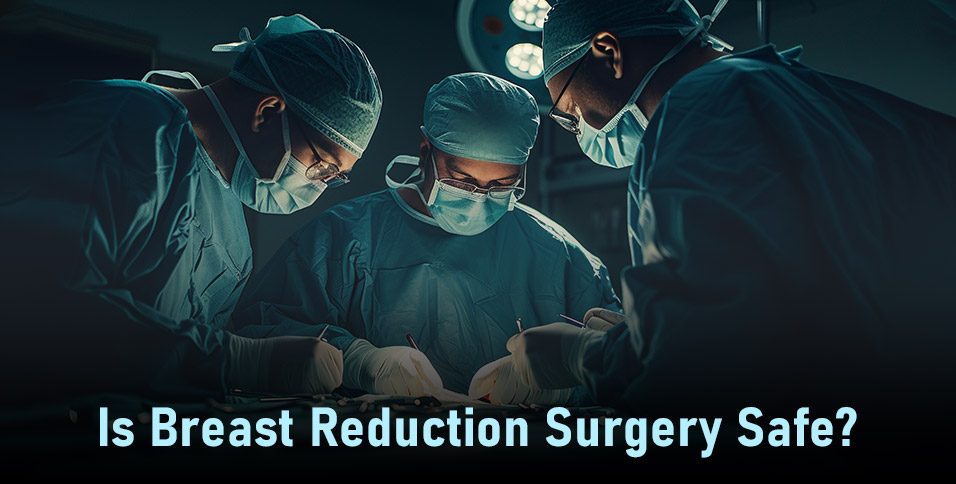
In general, yes. Breast reduction is widely performed and usually has high patient satisfaction. But no surgery is completely risk-free. Your safety depends on several factors, including your overall health, the amount of tissue being removed, your surgeon’s qualifications, and how closely you follow recovery instructions.
This is why a proper consultation matters. A responsible surgeon should explain not only the benefits, but also the possible complications in your specific case.
Common benefits of breast reduction surgery
Many patients feel the benefits of breast reduction are significant. The surgery can reduce chronic back, neck, and shoulder pain. It can make exercise easier and reduce skin irritation under the breasts. It may also improve posture and help clothes fit more comfortably.
There can also be a major emotional benefit. Feeling physically lighter and more proportionate often helps patients feel more confident and comfortable in daily life.
General risks that come with any surgery
Like any surgery, breast reduction carries some general surgical risks. These include bleeding, infection, anesthesia-related complications, delayed healing, and rare problems such as blood clots.
While serious complications are not common, they are still possible. That is why your medical history, current health, and surgical setting all matter when planning treatment.
Specific risks related to breast reduction surgery
Breast reduction also has risks that are more specific to the procedure itself. Scarring is expected, since incisions are needed to remove tissue and reshape the breasts. Most scars fade over time, but they do not disappear completely.
Other possible risks include changes in nipple or breast sensation, asymmetry, wound healing problems, and difficulty breastfeeding later. In rare cases, there can be reduced blood supply to the nipple or surrounding tissue, especially in very large reductions.
What affects your personal risk level
Not every patient has the same level of risk. Smoking is one of the biggest factors because it affects circulation and healing. Nicotine use before and after surgery can increase the chances of wound problems and poor scar healing.
Your weight, age, skin quality, and overall health also matter. Certain medical conditions may increase risk, and larger reductions can sometimes involve more complex healing. A good surgeon will assess all of this before recommending surgery.
Scarring after breast reduction
Scars are a normal part of breast reduction. The exact scar pattern depends on the surgical technique and how much tissue is removed. Some patients have scars around the nipple and down the breast, while others may also have a horizontal scar in the breast crease.
Although scars are permanent, they often improve over time. Following your aftercare instructions carefully and avoiding smoking can help support better healing.
Sensation changes and nipple-related concerns
Some patients notice temporary numbness or altered sensation in the nipples or breasts after surgery. In many cases, sensation improves with time, but for some patients, changes can last longer or become permanent.
There can also be rare concerns related to nipple blood supply, especially when a large amount of tissue is removed. This is something you should discuss with your surgeon during your consultation.
Breastfeeding and future pregnancy considerations
If you may want to breastfeed in the future, it is important to talk about this before surgery. Some patients are still able to breastfeed after breast reduction, but others may have difficulty depending on the surgical method used and how much tissue is removed.
Future pregnancy can also change your results by affecting breast size and shape again. If you are planning pregnancy soon, your surgeon may advise you to wait.
Recovery risks and what to expect after surgery
Recovery after breast reduction usually involves swelling, bruising, soreness, and temporary activity restrictions. Most patients improve steadily, but you will need time to heal properly.
It is also important to watch for warning signs during recovery, such as unusual swelling, fever, worsening redness, or drainage from the wounds. Follow-up appointments matter because they help your surgeon monitor healing and address problems early.
How to reduce the risks of breast reduction surgery
You can lower your risk by choosing an experienced surgeon, having surgery in a proper medical facility, and following all pre-operative and post-operative instructions. If you smoke, stopping before surgery is especially important.
You should also be honest about your medical history, medications, and lifestyle habits. The more your surgeon knows, the better they can plan your care safely.
Choosing where to have your surgery
Where you have your surgery matters just as much as who performs it. A good clinic or hospital should have clear safety standards, qualified staff, proper operating rooms, and structured aftercare.
If you are considering treatment abroad, make sure the provider offers more than a convenient package. Travel planning, hotel arrangements, and transport are helpful, but medical quality should always come first.
Considering breast reduction in Turkey
Turkey is a popular destination for cosmetic surgery because it offers experienced private clinics and more affordable treatment than many countries. Many international patients travel there for breast procedures every year.
Still, if you are considering breast reduction in Turkey, it is important to research the surgeon carefully, ask where the surgery will be performed, and understand what aftercare is included. A well-organized plan can make the experience smoother, but safety depends on medical quality, not just convenience.
Questions you should ask before booking surgery
Before booking breast reduction surgery, ask what technique your surgeon recommends and why. Ask how much tissue is likely to be removed, what scars you should expect, and what the main risks are in your case.
You should also ask how recovery will work, how long you may need help afterward, and what happens if a complication occurs. Clear answers can help you feel much more prepared.
Is breast reduction worth the risk?
For many patients, the answer is yes. The physical relief and improvement in daily comfort can be life-changing. But the decision should still be based on realistic expectations and a full understanding of both the benefits and the risks.
When you know what to expect and choose your surgeon carefully, you are in a much better position to decide whether the procedure is right for you.
How Flymedi can help
If you are considering breast reduction surgery abroad, Flymedi can help you compare trusted clinics, understand treatment options, and plan your medical travel with more confidence. Instead of trying to evaluate everything on your own, you can get support finding experienced providers that match your needs.
Flymedi helps make the process clearer, safer, and easier to manage from the first step to your return home.
Final thoughts
So, are there risks with breast reduction surgery? Yes, there are. But for many patients, those risks are manageable when the procedure is done by a qualified surgeon and approached with the right preparation.
The most important thing is to make your decision based on good information, realistic expectations, and a strong focus on safety. If you are exploring your options abroad, Flymedi can help you take the next step with more clarity.