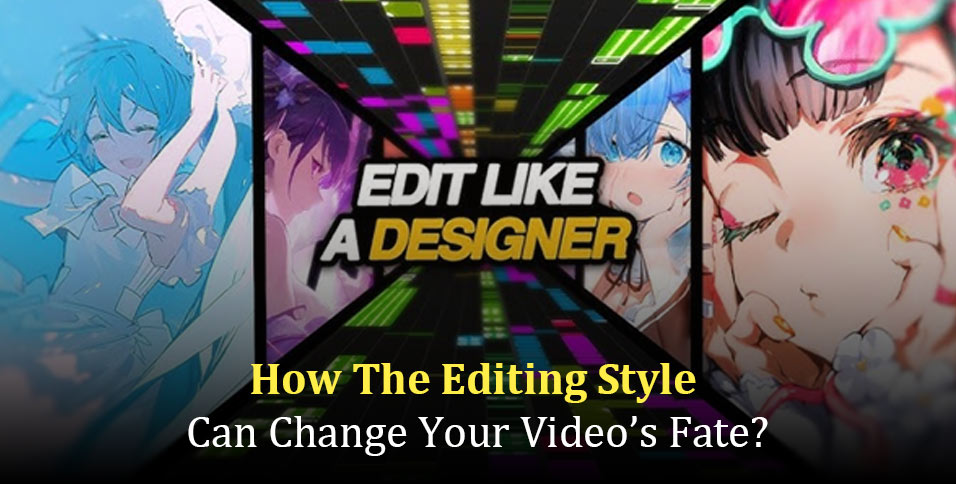
Picture two creators who film the exact same sunset at a beach. They use the same camera, the same lens, and the same lighting. One video ends up buried in the depths of the algorithm with ten views, while the other goes viral, racking up millions of shares and overnight fame. Most people would blame the algorithm or sheer luck, but the truth usually lies in the timeline of the editing software. Editing is not just about trimming the “ums” and “ahs” out of a clip. It is the invisible hand that dictates how a viewer feels, how long they stay, and whether they hit that follow button.
A raw video file is essentially a block of marble. The editor is the sculptor who decides if that marble becomes a heroic statue or a pile of rubble. By shifting the pacing, changing the frequency of cuts, or layering a specific soundscape, you can turn a boring tutorial into a high-octane thriller or a peaceful vlog into a comedy of errors. The fate of your content is decided long after the camera stops rolling.
Pacing and Rhythm
Pacing is the heartbeat of your edit. When you maintain a slow, steady pulse, you invite the viewer to lean back and relax. But when you dial up the speed and make it unpredictable, you’re essentially injecting adrenaline into the screen. In the high-stakes world of short-form content, finding that sweet spot is what separates a forgettable scroll from a captivated viewer. Creators usually fixate on upgrading their gear, but the real magic happens when you master the “breath” and timing of your footage.
When you are looking to get more reels views, the first five seconds are your only chance to prove you aren’t wasting the viewer’s time. A slow, cinematic intro might work for a long-form documentary on YouTube, but on a vertical feed, it is a death sentence. To capture attention, editors often use “negative pacing” where they remove every millisecond of silence between words. This creates a relentless flow of information that prevents the brain from finding a natural exit point. However, if you keep that intensity for the full minute, the viewer gets exhausted. The secret is to use “rhythmic contrast,” which involves alternating between rapid-fire sequences and brief, meaningful pauses that allow the core message to land.
Visual Storytelling
A cut is more than just a transition from Point A to Point B. Consider the difference between a “jump cut” and a “match cut.” A jump cut creates a sense of urgency and modernity, making the creator feel relatable and energetic. It suggests that the person on screen has so much to say that they can’t even wait for a breath.
On the other hand, a match cut connects two different scenes through a similar shape or movement, which makes the video feel high-budget and intentional. If you are editing a travel video, a match cut from a spinning coffee cup to a spinning car wheel creates a seamless flow that keeps the eye locked on the screen. When an editor chooses to stay on a shot for three seconds instead of one, they are telling the audience that this specific moment carries weight. If the cuts are too frequent without a reason, the video feels messy. If they are too sparse, it feels stagnant. The best editors treat cuts like musical notes, ensuring they land on the beat of the background track to create a hypnotic viewing experience.
Sound Design
If you want to test how important sound is, try watching a horror movie on mute. It immediately becomes a comedy. Sound design is the “cheat code” of video editing. It provides the emotional cues that the visuals might miss. An editor can take a simple clip of someone walking through a park and turn it into a suspenseful scene just by adding a low-frequency hum and the crunch of leaves being amplified.
In the context of social media, sound design often involves “ear candy.” These are subtle sound effects like whooshes, pops, typewriter clicks, and digital dings that occur every time a new piece of text or an image appears on the screen. These sounds act as micro-rewards for the brain, keeping the viewer stimulated even if the visual content is relatively simple. Beyond just effects, the choice of music acts as the “vibe” setter. A lo-fi hip-hop track suggests a “study with me” or “chill day” atmosphere, while a trending high-tempo track signals that something exciting is about to happen. A great editor knows when to let the music swell and, more importantly, when to cut the sound entirely to create a “vacuum effect” that forces the viewer to focus on a single, important sentence.
Subtitles and the Visual Language of Retention
Even though sound plays a major role in improving the feel and “vibe” of the video, it’s also just as important to consider that we live in a world where a huge percentage of people watch videos with the sound turned off, especially while commuting or sitting in public spaces. This has turned subtitles from an accessibility feature into a core creative element. The style of your captions can completely change the personality of your video.
Contrast that with elegant, minimalist serifs that appear at the bottom of a high-end fashion vlog. The minimalist style suggests luxury and “quiet wealth.” Editors now use subtitles to emphasize jokes, add internal monologues, or even correct “mistakes” made by the person on camera. By animating certain words to grow or shake when the speaker gets loud, the editor is effectively “directing” the viewer’s inner voice. This layer of visual information keeps the eyes busy, which is a major factor in increasing the average watch time of a post.
Final Thoughts
A director might have a vision, and a cameraman might have the eye, but the editor has the final say. By tweaking the pacing to be tighter, choosing cuts that surprise the viewer, and layering sound that tugs at the heartstrings, an editor can take “trash” and turn it into “trend.”
The fate of a video isn’t written in the script; it is written in the frames. Whether you are trying to build a brand, sell a product, or just share a moment from your life, remember that how you tell the story is often more important than the story itself. The next time you see a video that you can’t stop watching, look past the person on screen. Look at the rhythm, the colors, and the sounds. You are experiencing an edit that was designed to keep you right where you are.