The first thing that surprises most visitors to Tokyo is how differently each neighborhood behaves. Shibuya moves at a sprint, Yanaka shuffles along at the pace of a bicycle bell, and Ginza feels like it’s still deciding whether it’s 1965 or tomorrow. With a metro system that connects almost everything and a culture that rewards curiosity, ten days here could easily turn into ten different trips. Below are ten things worth building a Tokyo itinerary around, whether it’s a first visit or a fifth.
Wander Shibuya Crossing and Then Escape It
Shibuya Crossing gets photographed so often it almost feels fictional, with up to 3,000 people crossing at once during peak times. Standing in the middle of it once is worth the crowd. Afterward, duck into the quieter streets of Shibuya’s Udagawacho district, where record shops and coffee stands offer a much calmer version of the same neighborhood.
Spend a Morning in Tsukiji Outer Market
The main wholesale auctions moved to Toyosu in 2018, but Tsukiji’s outer market still buzzes with food stalls, knife shops, and tiny sushi counters that open before 7 a.m. Arrive hungry and try tamagoyaki on a stick, fresh uni, or grilled scallops straight off the grill. Weekday mornings are less crowded than weekends, and most vendors close by early afternoon.
Visit Senso-ji at Sunrise
Tokyo’s oldest temple sits in Asakusa and draws enormous crowds by mid-morning, so getting there before 8 a.m. changes the experience completely. The approach through Nakamise shopping street, lined with over 90 small shops selling snacks and souvenirs, feels almost empty at that hour. The five-story pagoda and the temple’s incense-filled main hall are worth the early alarm.
Ride the Elevator to Tokyo Skytree or Shibuya Sky
Tokyo Skytree stands 634 meters tall and offers sweeping views on clear days that stretch to Mount Fuji. Shibuya Sky, a rooftop observation deck completed in 2019, offers a lower but arguably more dramatic view directly over the crossing and the city grid below. Both require timed tickets, especially around sunset, so booking a day or two ahead is smart.
Explore Akihabara Beyond the Anime Shops
Akihabara is known for electronics and anime culture, but it rewards slower exploration too. Multi-floor arcades, retro game shops stocked with consoles from decades past, and maid cafes sit alongside quiet spots serving surprisingly good curry rice. Anyone building a collection of vintage electronics or manga will find entire buildings devoted to a single hobby.
Eat Your Way Through a Standing Bar in Shinjuku
Omoide Yokocho, a narrow alley near Shinjuku Station, packs dozens of tiny yakitori stalls into a space barely wide enough for two people to pass. Seats are limited, smoke drifts freely, and the grilled chicken skewers cost as little as 150 yen each. It’s an unpretentious contrast to Shinjuku’s towering office blocks just a few streets over.
Step Into a Private Tea Ceremony or Kimono Fitting
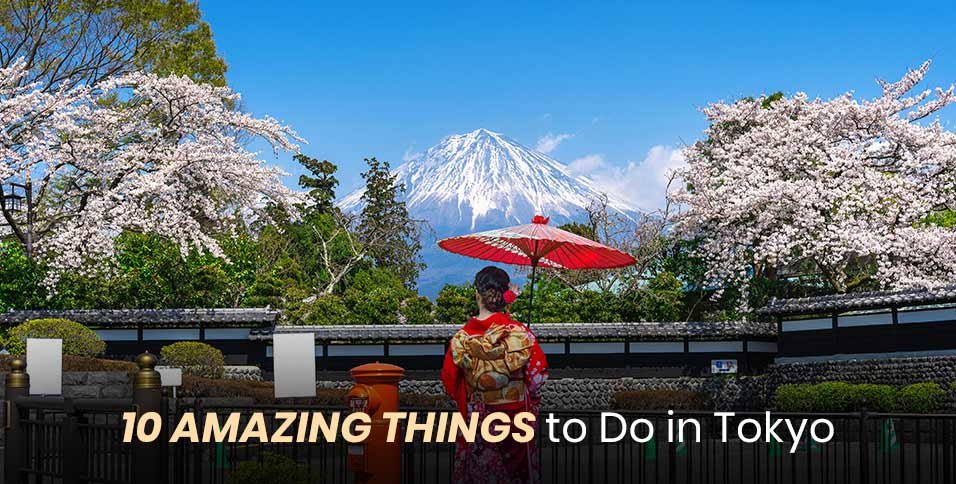
For visitors who want a deeper cultural experience rather than just sightseeing, several companies now arrange Tokyo luxury tours that include private tea ceremonies, kimono fittings, and guided visits to workshops run by traditional artisans. These experiences typically include a knowledgeable guide and access to spaces that aren’t open to walk-in visitors, which makes the extra cost worthwhile for travelers short on time. Booking through a reputable operator also means avoiding the language barrier that can make traditional tea houses intimidating to approach alone.
Get Lost in Yanaka
Yanaka survived both the 1923 earthquake and the World War II bombings largely intact, so its narrow lanes still look much as they did decades ago. Cats roam freely through the area, cemetery paths wind past centuries-old graves, and small shops sell senbei crackers baked on-site. It’s one of the few parts of central Tokyo where nobody seems to be in a hurry.
Watch a Sumo Practice Session in Ryogoku
Ryogoku is the historic home of sumo wrestling, and several stables open their morning practice sessions to visitors, usually starting around 7 or 8 a.m. Watching wrestlers weighing well over 150 kilograms move with startling speed and precision is unlike anything on television. Reservations are required through a stable or a licensed tour, since walk-ins aren’t accepted.
Ride the Yamanote Line Just to Watch the City Change
The Yamanote Line loops around central Tokyo in about an hour, passing through Shinjuku, Shibuya, Tokyo Station, and Ueno along the way. Riding it end to end without getting off is an easy, cheap way to see how dramatically the city shifts in character from stop to stop. It’s also a useful way to get oriented before diving into any single neighborhood on foot.
Tokyo rarely gives up its best moments to visitors who stick to a rigid checklist. The real reward comes from pairing one or two big landmarks each day with unplanned time to wander a side street, sit at a counter with six seats, or watch a practice session that has nothing to do with tourists at all. That balance, more than any single attraction, is what makes the city worth returning to.