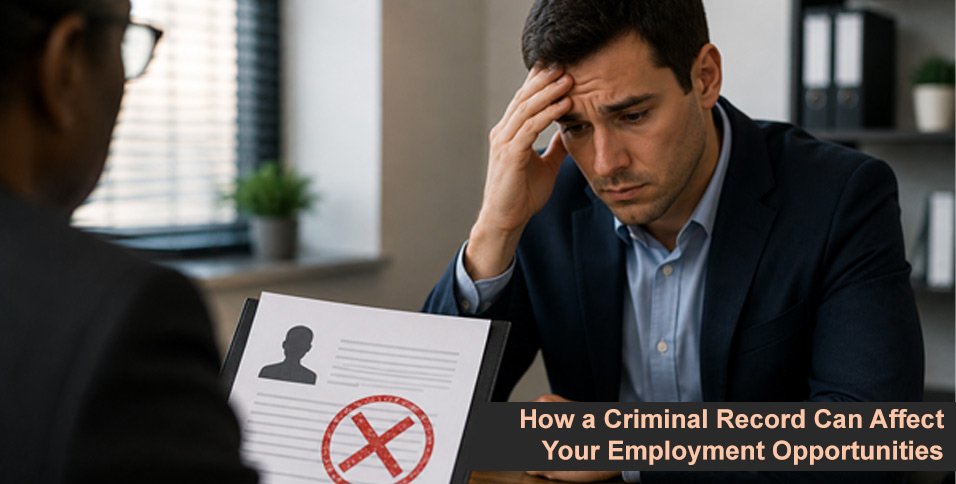
A criminal record can create serious challenges when looking for a job, keeping a current position, or advancing in a career. In Georgia, many employers conduct background checks before making hiring decisions, and a past arrest or conviction may raise concerns. Even if you have completed your sentence, paid fines, or moved forward with your life, a criminal record can still affect how employers view your application.
Understanding these challenges is important because a criminal record does not always mean your career is over. With the right steps, legal guidance, and preparation, many people can reduce the impact of past charges and improve their employment opportunities.
Employers Often Run Background Checks
Many employers use background checks to review a person’s criminal history before offering a job. These checks may reveal arrests, convictions, pending charges, probation history, or other court records.
For jobs involving money, children, healthcare, driving, security, or government work, background checks are often more detailed. Employers may be especially cautious if the offense appears related to the duties of the job. For example, a theft conviction may raise concerns for a banking position, while a DUI may affect driving-related work.
Because background checks are common, it is important to know what may appear on your record before applying.
A Criminal Record Can Limit Job Options
A criminal record can make it harder to qualify for certain positions. Some employers may reject applicants automatically based on company policy, while others may evaluate the situation case by case.
The type of charge matters. A misdemeanor may be viewed differently from a felony. Non-violent offenses may create fewer barriers than violent crimes or fraud-related convictions. The amount of time that has passed since the offense may also influence an employer’s decision.
A Macon criminal attorney can help individuals understand how a record may affect future opportunities and whether legal options exist to reduce the impact.
Professional Licenses May Be Affected
Some careers require professional licensing, and a criminal record may create problems with licensing boards. This can affect people working in fields such as nursing, teaching, real estate, law, accounting, transportation, and childcare.
Licensing boards may review the nature of the offense, whether it relates to the profession, and whether the applicant has shown rehabilitation. In some cases, a criminal conviction may delay approval or result in denial.
If your career depends on a license, it is important to address criminal charges carefully from the beginning.
A Record Can Affect Promotions and Career Growth
A criminal record does not only affect new job applications. It may also impact promotions, transfers, or leadership opportunities within your current workplace.
Some employers conduct updated background checks when employees apply for higher-level positions. A past conviction may raise concerns about trust, responsibility, or public image, especially in management roles.
Even if you are already employed, a criminal record can limit your ability to grow professionally. Being proactive, honest when required, and prepared to explain your progress can help.
Pending Charges Can Also Create Problems
Many people assume only convictions matter, but pending criminal charges can also affect employment. If an employer discovers an open case, they may hesitate to hire until the matter is resolved.
Pending charges can create uncertainty because the final outcome is unknown. Employers may worry about future court dates, possible jail time, or reputation issues.
A defense attorney Savannah can help protect your rights during an active case and work toward outcomes that may reduce long-term employment consequences.
Honesty and Preparation Matter
When applying for jobs, it is important to read applications carefully. Some employers ask about convictions only, while others may ask about pending charges. Giving false information can create bigger problems than the record itself.
If you are legally required to disclose a conviction, prepare a clear and professional explanation. Focus on accountability, rehabilitation, work history, education, and steps you have taken to move forward.
Employers may be more willing to consider applicants who are honest, responsible, and able to show personal growth.
Legal Options May Help Reduce the Impact
In some situations, legal remedies may help reduce the employment impact of a criminal record. Georgia law may allow certain records to be restricted, sealed, or handled through first offender treatment, depending on eligibility.
Record restriction can make it harder for some employers to access certain criminal history information. However, not every case qualifies, and some agencies or employers may still have access.
Speaking with an experienced criminal defense lawyer can help you understand whether your record may qualify for any form of relief.
Conclusion
A criminal record can affect employment opportunities in many ways, from background checks and job applications to professional licensing and promotions. In Georgia, even a misdemeanor or pending charge can create challenges if not handled properly.
However, a criminal record does not have to permanently define your future. By understanding your rights, preparing carefully for job applications, and seeking legal guidance when needed, you can take steps to protect your career. The sooner you address the issue, the better your chances of reducing long-term damage and moving forward with confidence.