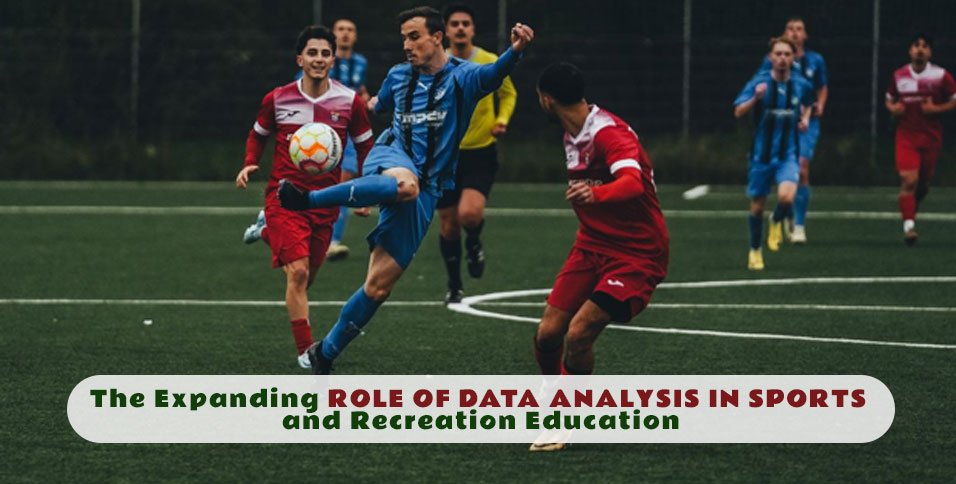
Sports organizations have access to information on a scale that barely existed a generation ago. Every ticket scanned at a stadium, every registration submitted for a youth recreation program, every social media interaction, and every athlete’s performance metric creates data that can be studied and used. Professional teams, college athletic departments, community recreation programs, and sports facilities all rely on information to understand what is working, what needs attention, and where future opportunities may exist. Data has quietly become part of nearly every decision taking place behind the scenes.
This reality is influencing sports and recreation education in significant ways. Students preparing for careers in the industry are no longer expected to rely solely on management instincts or personal experience. Organizations want professionals who can interpret information, identify patterns, and support decisions with evidence. Data analysis is becoming part of leadership, event planning, fan engagement, and program development. Educational programs are responding by helping students understand how information can support smarter decisions across a wide range of sports and recreation settings.
Data-Driven Leadership Development
Leadership in sports organizations involves more than supervising employees or managing daily operations. Modern leaders are frequently expected to evaluate financial reports, attendance trends, participation rates, sponsorship performance, and audience engagement metrics. Data has become part of routine decision-making, which means future leaders need the ability to understand and apply information effectively.
A masters in sports administration online program can help students build those skills while developing broader leadership capabilities. Southeastern Oklahoma State University offers a program that combines sports management principles with practical industry knowledge, helping students understand both organizational leadership and modern decision-making practices. The online format is particularly valuable because many students are already working in athletics, recreation, or related fields. They can continue gaining professional experience while immediately applying classroom concepts to real-world situations.
Planning Better Recreation Programs
Community recreation programs are often judged by participation. A program that attracts strong interest may receive additional resources, while one with declining attendance may require adjustments. Data helps recreation professionals move beyond assumptions and understand what participants actually want. Registration numbers, attendance patterns, age demographics, and seasonal participation trends all provide useful information.
Educational programs are teaching students how to analyze this information and use it to improve planning. Rather than creating programs based solely on tradition or past practices, future professionals learn how to evaluate evidence and respond to changing community interests. A recreation department may discover that certain age groups prefer different activities, or that participation varies significantly depending on scheduling.
Understanding Fans and Participants
Sports organizations spend considerable effort trying to understand the people they serve. Professional franchises want to know what motivates ticket purchases. Recreation departments want to understand why participants return to certain programs. Event organizers want insight into what creates positive experiences for attendees. Data analysis helps answer these questions.
Students studying sports and recreation are increasingly learning how engagement data can reveal valuable information about audience behavior. Attendance figures, surveys, digital interactions, and purchasing trends provide insight into preferences and expectations. This knowledge supports decisions involving marketing, event design, customer service, and community outreach.
Analytics in Athletic Performance
Performance analytics is one of the most visible examples of data use within sports. Professional teams, collegiate programs, and training organizations regularly collect information about athlete performance. Statistics, tracking systems, wearable technology, and video analysis tools generate large amounts of information that coaches and administrators can use to evaluate performance and development.
Sports education programs increasingly expose students to these concepts because analytics now influences many areas of the industry. Even professionals who do not work directly with athletes benefit from understanding how performance data contributes to organizational decisions. Students learn how information can be used to evaluate progress, support training objectives, and guide strategic planning.
Smarter Event and Facility Management
Sports facilities and events generate significant operational data every day. Attendance counts, concession sales, staffing levels, parking usage, crowd movement patterns, and facility scheduling information all provide insight into how operations function. This information can help organizations identify efficiencies, improve visitor experiences, and allocate resources more effectively.
Educational programs are increasingly introducing students to the role data plays in managing facilities and events. Future professionals learn how operational information can support planning decisions and improve outcomes. A facility manager might use attendance trends to optimize staffing levels. Event organizers may evaluate historical data to improve scheduling and logistics.
Measuring Community Impact
Sports and recreation programs often exist to accomplish goals that extend beyond participation numbers alone. Community engagement, youth development, physical activity, social connection, and local involvement are frequently part of the mission. Measuring success in these areas can be challenging without reliable information. Data provides a way to evaluate whether programs are producing the outcomes they are intended to support.
Students entering the field are increasingly learning how to assess program effectiveness using measurable indicators. Participation growth, retention rates, community feedback, and demographic information can all contribute to a clearer understanding of program performance. This approach allows organizations to demonstrate value while identifying areas for improvement.
Growing Demand for Analytical Professionals
The sports industry continues to evolve, and organizations are looking for professionals who can navigate increasingly complex environments. Leadership positions now involve interpreting information from multiple sources rather than relying solely on experience or intuition. Teams, recreation departments, governing bodies, and sports facilities all use data to support strategic planning and operational decisions.
This growing reliance on information is influencing hiring priorities across the industry. Graduates who understand how to collect, interpret, and communicate data often bring additional value to organizations. Employers are seeking professionals who can connect analytical insights with practical decision-making. Educational programs recognize this trend and are expanding opportunities for students to develop skills that align with current workforce expectations.
Evidence-Based Decision-Making
Sports organizations make decisions every day involving budgets, staffing, programming, marketing, facilities, and long-term planning. Historically, many of these choices relied heavily on experience and professional judgment. While those qualities remain important, evidence-based decision-making is becoming increasingly common because organizations have access to more information than ever before.
Students are learning how evidence can support stronger decisions and reduce uncertainty. Data can reveal participation patterns, identify emerging trends, and provide objective perspectives on organizational performance. Rather than making assumptions about what may work, leaders can examine information that supports their choices.
Organizations increasingly rely on information to understand participants, evaluate performance, improve operations, and plan for the future. Sports and recreation education is evolving in response to this reality. Students are developing analytical skills alongside leadership, management, and communication abilities.