Many people today are curious about specialized computing hardware used for solving complex calculations. These machines are powerful, purpose-built, and very different from everyday computers.
For beginners, understanding how to choose the right hardware can feel confusing. There are many models, different performance levels, and several factors that affect long-term results.
This guide explains the basics in simple language so that anyone can understand how these machines work and how beginners can approach buying their first device carefully.
Understanding Specialized Hardware
Specialized hardware is designed to perform one type of computational task extremely efficiently. Unlike general computers that handle many programs at once, these machines focus on solving repeated mathematical operations.
Because of this focused design, they are much faster and more energy efficient than normal desktops or laptops for the same task.
Many people first learn about these devices when researching high-performance computing systems used around the world.
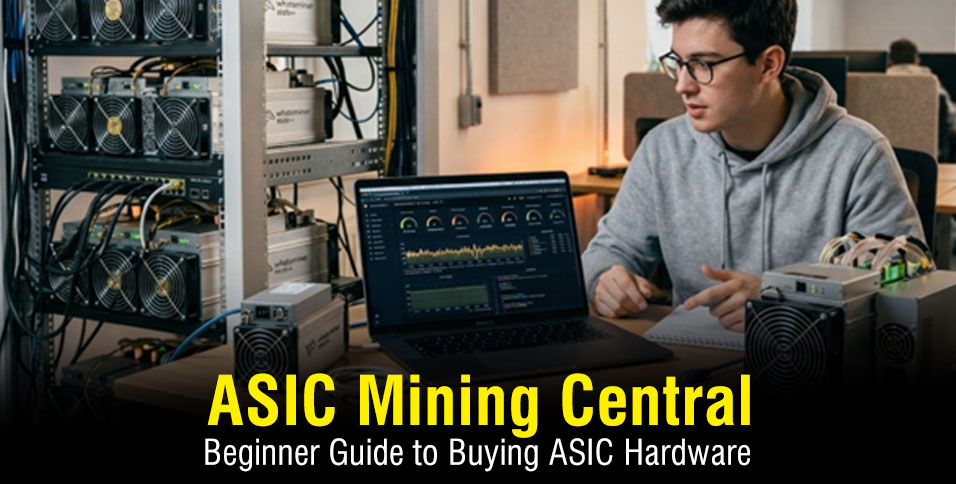
A typical asic miner is built with custom chips that are optimized for a specific algorithm. These chips allow the device to complete calculations thousands of times faster than traditional hardware.
However, speed alone is not the only factor beginners should think about. Power usage, cooling requirements, reliability, and long-term maintenance all play important roles when choosing hardware.
Understanding these basics makes it easier to evaluate options before making any purchase decision.
Why Beginners Often Feel Overwhelmed
For someone new to this field, the first challenge is information overload.
Online forums, technical specifications, and performance charts can make the process seem complicated. Many beginners see lists of Best miners and assume the most powerful device is automatically the right choice.
In reality, hardware performance depends on several conditions such as electricity cost, room temperature, and device efficiency.
A powerful machine may produce excellent results in one environment but perform poorly in another.
This is why beginners should focus first on understanding how hardware works rather than chasing the most powerful model available.
Learning the basics helps avoid costly mistakes and builds confidence before investing in equipment.
Important Factors to Consider Before Buying
Choosing the right hardware involves evaluating several practical factors. These elements affect performance, stability, and long-term usability.
Power Consumption
Power consumption is one of the most important considerations.
These machines operate continuously and require a stable electricity supply. Devices with higher efficiency produce more work for each unit of energy they consume.
Checking the power rating and efficiency level can help beginners estimate operating requirements before installing the device.
Cooling and Ventilation
Specialized hardware generates heat because of its intense processing activity. Without proper cooling, the machine may slow down or experience hardware stress. Good airflow, proper spacing, and temperature monitoring help maintain stable performance. Many beginners overlook ventilation, but it is a critical part of maintaining reliable operation.
Hardware Reliability
Durability is another key factor. Machines designed for continuous workloads should have stable components and strong build quality. Reading independent reviews and technical documentation can help users understand how different models perform over time. Reliable hardware reduces downtime and helps maintain consistent output.
Noise Levels
These machines use high-speed fans to manage heat. Because of this, noise levels can be higher than normal household electronics. People planning to operate hardware in residential areas should consider the sound levels before setting up their equipment.
How Beginners Can Estimate Performance
Before buying hardware, beginners often want to estimate potential results.
One helpful approach is to study efficiency metrics and expected output based on the device’s processing power and energy usage. Many users rely on calculation tools to estimate performance under different conditions. Platforms such as ASIC Mining Central are sometimes used by beginners to explore hardware efficiency and compare estimated performance figures.
These resources help people understand how changes in electricity cost, processing power, and energy consumption may affect results. Using estimation tools encourages more informed decisions rather than relying only on marketing specifications.
Common Mistakes New Buyers Should Avoid
Beginners often make a few common mistakes when purchasing their first machine. Understanding these mistakes can help prevent unnecessary expenses and frustration.
Ignoring Electricity Costs
One of the most frequent mistakes is ignoring electricity costs. Because these machines operate continuously, energy consumption becomes a major operational factor. Even small differences in power efficiency can significantly affect long-term operating conditions.
Choosing Hardware Only Based on Speed
Some beginners choose the fastest hardware available without considering efficiency or stability. While speed is important, balanced performance and reliability are often more valuable in the long run.
Poor Setup Planning
Another common mistake is installing hardware without planning proper ventilation or electrical capacity. Proper planning ensures the machine runs smoothly without overheating or electrical interruptions.
Basic Setup Considerations
After purchasing hardware, the setup process should focus on stability and safety.
Electrical Capacity
The electrical system must support the device’s power requirements. Using appropriate power supplies, surge protection, and stable wiring helps protect the machine and the surrounding equipment.
Temperature Control
Maintaining a cool environment improves hardware longevity. Many operators monitor room temperature and airflow to ensure the system runs within safe limits.
Network Stability
These machines rely on a stable internet connection to operate effectively. A reliable network prevents interruptions and allows the device to maintain consistent communication with the required systems.
Long-Term Learning for Beginners
Buying hardware is only the first step in understanding specialized computing systems. Over time, beginners learn how efficiency, temperature, maintenance, and operating conditions affect overall performance. Reading technical guides, observing device behavior, and learning from experienced users helps build deeper knowledge. The goal for beginners should not be immediate results but gradual understanding of how these systems work. This approach encourages responsible use of hardware and better decision-making over time.
Conclusion
Specialized computing hardware can appear complicated at first, especially for beginners who are unfamiliar with the technology. However, understanding a few basic principles makes the process much easier. Learning how hardware efficiency works, evaluating power consumption, planning proper setup, and using reliable estimation resources all help beginners approach the process with confidence. With the right knowledge and careful preparation, newcomers can explore this technology step by step while avoiding common mistakes and building a strong foundation for future learning.