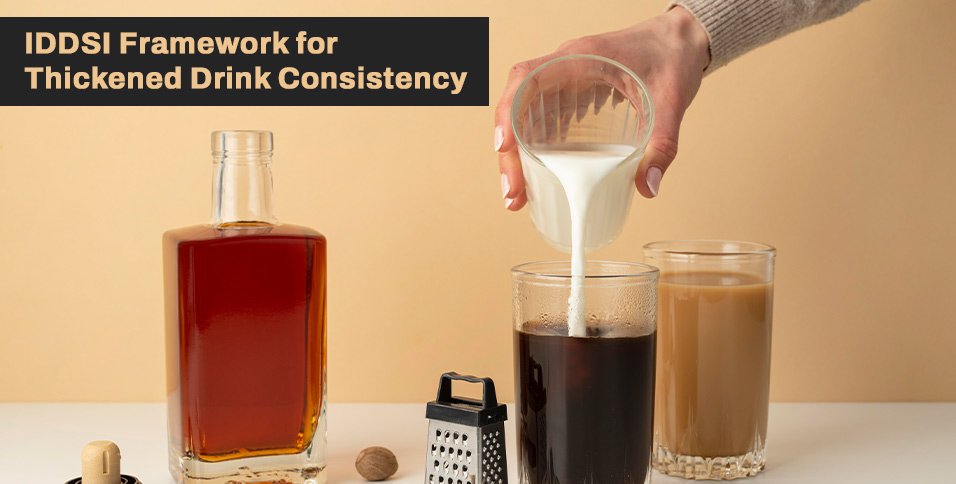
Liquid thickness can affect swallowing safety for people who cough, choke, or fatigue during meals. The International Dysphagia Diet Standardization Initiative provides shared labels for drink consistency, helping clinicians, kitchens, and families describe the same target. Clear terms reduce mix-ups across care settings. With a common scale, hydration orders are easier to follow, prepare, and recheck, while still matching individual assessment results and day-to-day tolerance.
Why Shared Terms Reduce Risk
Vague labels like “nectar-like” can shift from cup to cup, especially during busy handoffs. A single scale supports safer teamwork because everyone prepares to the same level and verifies the result. Using a thickener such as Simply Thick may help reach a prescribed flow, yet a quick check still matters. Temperature, standing time, and stir method can change movement.
How the Framework Organizes Liquids
The drink scale runs from thin to very thick and uses numbered levels with plain descriptions. Lower levels pour quickly and are easy to sip. Higher levels move slowly and may need a spoon. This structure helps transfers between hospital units, care facilities, and home routines. Consistency is the point, so a written order matches what lands in the cup. Staff can document levels in charts, while caregivers follow the same recipe at home. During transitions, that shared reference reduces guesswork and supports steady hydration.
What Makes Thickness Change
Several forces can alter flow. Different thickening agents behave uniquely in water, milk, or juice. Cold temperatures often slow movement, while warmer serving can loosen texture. Waiting time matters, since some mixtures continue thickening after mixing stops. Serving style also plays a role, because straw use can change how quickly liquid reaches the throat.
A Practical Flow Check
A simple gravity test supports repeatable preparation outside a laboratory. A ten-milliliter slip-tip syringe is filled, released, and then timed for ten seconds. The amount left in the barrel guides classification. This approach suits kitchens and bedside preparation, where rapid decisions matter. Results are most reliable when the same syringe type and timing method are used.
Interpreting Flow Results
The remaining volume is linked to clear boundaries. Thin is typically zero to one milliliter left after ten seconds. Slightly thick is one to four milliliters remaining. Mildly thick sits at four to eight milliliters. Moderately thick is eight to ten milliliters. Extremely thick does not flow from the syringe, so other checks guide the texture.
Level Descriptions in Everyday Terms
Level descriptions help align expectations at the table. Thin behaves like water, broth, or black coffee. Slightly thick pours easily, yet slows enough to provide added control for some plans. Mildly thick is closer to a creamy pour. Moderately thick often requires sipping from a cup without a straw. Extremely thick, it is spoonable and holds its shape.
Safety and Comfort Considerations
Thicker drinks can help by slowing bolus speed and improving control during swallow timing. For some people, that change reduces airway entry risk during meals. Overthickening can create problems, including higher effort, early fatigue, and reduced fluid intake. Dry mouth, constipation, and dizziness can follow low hydration. Any adjustment should track clinical guidance and observed signs.
Steps for Consistent Preparation
Reliable results come from a routine that removes guesswork. Measured liquid volume, a consistent mixing tool, and a defined wait period reduce variability. Cups labeled with the intended level prevent errors during shift changes. Drinks left at bedside should be retested if time passes. Blended beverages need extra caution since melting ice can thin texture.
Supporting Team Communication
Shared levels improve communication across disciplines and locations. Speech and language clinicians, dietitians, nurses, and food service staff can reference the same target without relying on subjective descriptions. Families benefit too, because written instructions translate into a measurable result. Training becomes clearer when one scale is used everywhere. Consistent terms support safer transitions, including discharge to home.
Conclusion
A safe thickened drink plan depends on clear labels, steady preparation, and simple verification. The International Dysphagia Diet Standardization Initiative framework offers practical liquid levels that travel well across settings. Attention to temperature, standing time, and mixing technique helps maintain the prescribed flow. With routine checks and shared language, caregivers can support hydration while protecting comfort, confidence, and swallowing safety.