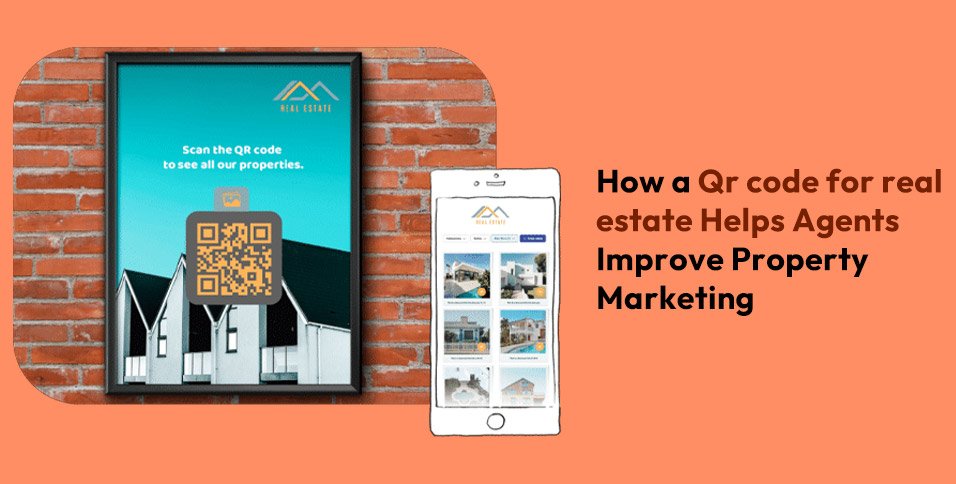
The real estate industry has become increasingly digital over the past decade. Buyers now expect instant access to listings, virtual tours, neighborhood details, and property information directly from their smartphones. This shift has changed how agents market properties and communicate with potential clients. One of the most effective tools supporting this transformation is the qr code for real estate.
QR technology helps bridge offline property marketing with online experiences by allowing potential buyers to instantly access digital information through a simple smartphone scan. Instead of manually searching for listings or typing long URLs, buyers can immediately view property pages, galleries, videos, contact forms, or virtual tours.
For real estate professionals, QR systems create faster communication, more measurable engagement, and smoother customer experiences. As competition within the property market continues to grow, agents and agencies increasingly rely on digital tools that simplify access to information while helping listings stand out.
QR technology is now widely used across residential sales, commercial real estate, rentals, open houses, and property development marketing. Its flexibility and ease of use make it especially valuable in an industry where convenience and responsiveness strongly influence buyer decisions.
Why Digital Accessibility Matters in Modern Real Estate
Today’s buyers often begin property research online before contacting an agent directly. They expect quick access to accurate information and may lose interest if the process feels slow or complicated. QR technology helps eliminate unnecessary barriers between physical property marketing and digital engagement.
Traditional printed materials such as brochures, flyers, window displays, or yard signs have limited space for information. QR systems solve this challenge by directing potential buyers to digital content where they can explore properties in much greater detail.
This improves convenience significantly. Instead of waiting to contact an agent during business hours, buyers can instantly view photos, floor plans, pricing information, neighborhood details, or booking forms at any time.
QR technology also supports faster decision-making. Buyers often compare multiple properties simultaneously, and immediate access to digital resources helps them evaluate listings more efficiently.
Another important advantage is flexibility. Dynamic QR codes allow agents to update listings, pricing, or promotional content without replacing physical marketing materials. This is particularly useful in fast-moving property markets where information changes frequently.
As real estate becomes increasingly mobile-first, QR systems help agencies meet evolving customer expectations while improving the overall browsing experience.
The Growing Use of qr codes in real estate
The use of qr codes in real estate continues expanding because the technology supports both marketing and operational efficiency. Real estate professionals now integrate QR systems into nearly every stage of the customer journey.
Property listings are one of the most common applications. QR-enabled signs, brochures, and advertisements allow buyers to instantly access online listing pages without searching manually. This creates a seamless transition between physical marketing and digital property exploration.
Open houses also benefit significantly from QR integration. Visitors can scan codes to register attendance, access property documents, request follow-up information, or save listings directly to their devices. This simplifies lead collection while improving visitor experiences.
Commercial real estate agencies increasingly use QR systems to provide detailed property specifications, leasing information, floor plans, and investment details for potential buyers or tenants. Developers additionally use QR-enabled displays for project launches and construction updates.
Rental property management is another growing use case. Prospective tenants can scan QR codes to access application forms, availability updates, or virtual tours directly from signage or promotional materials.
Real estate marketing has also become more data-driven. QR platforms provide analytics that help agents track engagement levels, monitor scan activity, and understand which listings attract the most attention. These insights help agencies optimize future campaigns and marketing strategies.
As digital engagement continues shaping buyer expectations, QR systems are becoming a practical standard rather than an optional marketing enhancement.
Why Agencies Need a Reliable qr code generator for real estate
A professional qr code generator for real estate provides far more value than simply creating scannable images. Modern platforms support branding, analytics, lead generation, and dynamic campaign management specifically suited for property marketing.
One of the most important features is dynamic QR functionality. Real estate listings often change quickly due to price adjustments, status updates, or new marketing campaigns. Dynamic QR systems allow agents to update linked content without replacing printed signs or brochures.
Brand customization is equally important. Professionally designed QR codes with logos, custom colors, and branded elements help agencies maintain visual consistency across marketing materials. This creates a more polished appearance and improves trust among potential buyers.
Analytics capabilities provide additional business value. Real estate agencies can monitor how many people scanned a listing, where engagement occurred, and which properties generated the strongest interest. This data helps agents identify high-performing campaigns and improve marketing efficiency.
Mobile optimization is another essential factor because most property searches now happen through smartphones. A strong QR platform ensures linked landing pages, galleries, and forms load quickly and display correctly across devices.
Lead capture functionality also plays a major role. Many QR platforms allow agents to connect scans directly to inquiry forms, appointment scheduling systems, or customer relationship management tools. This helps agencies respond to leads more efficiently and improve conversion opportunities.
As competition within real estate marketing increases, agencies that use flexible and data-driven QR systems gain a stronger advantage in attracting and engaging buyers.
How qr code real estate signs Improve Property Visibility
Traditional property signs remain one of the most recognizable forms of real estate marketing. However, static signs alone often provide limited information and depend on buyers taking additional steps later. This is why qr code real estate signs have become increasingly popular.
By adding QR technology to property signage, agents can instantly connect buyers to digital listings, virtual tours, pricing information, and contact details. This transforms a basic sign into an interactive marketing tool.
One major advantage is convenience. Potential buyers passing by a property can scan the code immediately without needing to remember addresses or manually search online later. This reduces friction and increases the likelihood of engagement while interest is highest.
QR-enabled signs are especially valuable outside business hours. Buyers can access listing details anytime, even when agents are unavailable. This supports continuous lead generation without requiring direct staff interaction.
Virtual tours are another important feature. Many buyers now prefer exploring properties digitally before scheduling physical visits. QR-enabled signage allows agencies to provide immersive online experiences instantly from the street.
Real estate signs with QR integration also improve marketing efficiency. Instead of printing large amounts of detailed information directly on signage, agents can maintain cleaner visual designs while directing users to comprehensive digital resources.
As buyers increasingly rely on mobile-first browsing behavior, QR-enabled property signs help agencies create more responsive and accessible marketing experiences.
The Future of QR Technology in Real Estate
Digital transformation continues reshaping the real estate industry, and QR technology is expected to become even more integrated into property marketing and customer communication.
Future applications may include deeper integration with augmented reality, AI-powered recommendations, personalized property experiences, and advanced virtual viewing systems. Buyers could eventually use QR scans to access customized property suggestions or interactive neighborhood data based on their preferences.
QR systems are also likely to become more connected with customer relationship management platforms, marketing automation tools, and smart property technologies. This would allow agencies to create even more personalized and data-driven communication strategies.
Sustainability is another factor supporting adoption. Digital brochures, floor plans, and virtual tours reduce the need for excessive printed materials while still providing detailed information to buyers.
As customer expectations continue evolving toward instant digital access and mobile convenience, QR technology will likely remain one of the most practical tools for improving real estate marketing efficiency.
Final Thoughts
The growing adoption of the qr code for real estate reflects broader changes in how buyers search for properties and interact with agencies. Modern consumers expect faster access to information, smoother digital experiences, and more convenient communication throughout the buying process.
The increasing use of qr codes in real estate helps agencies bridge offline property marketing with digital engagement while improving lead generation and customer accessibility. At the same time, a reliable qr code generator for real estate provides agencies with the flexibility, branding tools, and analytics needed to manage campaigns more effectively.
The popularity of qr code real estate signs also demonstrates how traditional property marketing can evolve into interactive and measurable digital experiences.
As the real estate industry continues embracing digital transformation, QR technology will remain an increasingly valuable tool for improving communication, marketing performance, and buyer engagement.