Key Takeaways
- Clean beauty emphasizes products formulated without certain harmful chemicals, focusing on safety and transparency for consumers seeking to avoid unnecessary risks to their health and well-being.
- Scientific research supports avoiding specific ingredients known to cause skin irritation or hormonal disruption, validating some of the core claims of clean beauty advocates.
- Consumers should remain vigilant, as the term “clean” lacks a standardized definition in the industry, leaving room for broad interpretations and marketing claims that may not align with scientific consensus.
Table of Contents
- Introduction
- What Is Clean Beauty?
- Common Ingredients to Avoid
- A Scientific Perspective
- The Regulatory Landscape
- Making Informed Choices
- Conclusion
In recent years, the clean beauty movement has gained significant traction, with consumers increasingly seeking products free from potentially harmful ingredients. This surge in interest reflects growing health consciousness, environmental awareness, and a desire for ingredient transparency in everyday self-care routines. But what exactly defines a product as “clean,” and what does science say about the benefits and risks associated with these products?
For instance, Terra Mare, a pioneering supplement brand founded by actress Marisa Tomei, offers innovative products like Morning Restore that exemplify the clean beauty ethos by focusing on science-based wellness solutions tailored to female biology. Transparency plays a key role in this approach, which is why many consumers closely examine Morning Restore Ingredients to better understand how each component supports overall wellness and aligns with clean beauty principles. Such developments have sparked curiosity among those seeking to reconcile effective beauty regimens with their values around wellbeing and sustainability.
What Is Clean Beauty?
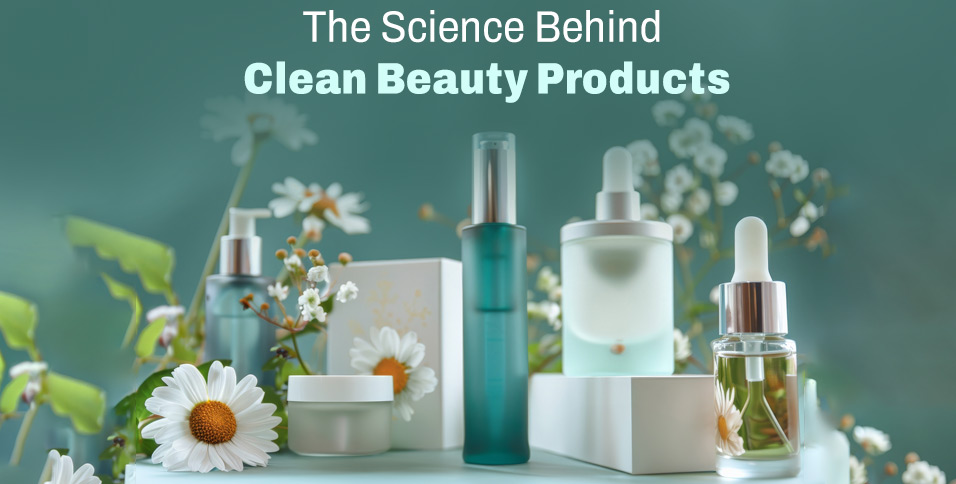
Clean beauty refers to cosmetic and skincare products formulated without certain harmful chemicals, focusing on safety, transparency, and environmental responsibility. This movement promotes the use of non-toxic, ethically sourced ingredients, aiming to provide consumers with safer alternatives to traditional beauty products. The core philosophy not only emphasizes avoiding potentially hazardous substances but also encourages companies to prioritize responsibly sourced ingredients, eco-friendly packaging, and cruelty-free testing practices. Clean beauty advocates believe that looking good shouldn’t come at the expense of long-term personal health or the environment. As more shoppers examine ingredient lists and question mainstream formulations, the appeal of clean beauty continues to expand, pushing brands to reconsider their manufacturing processes and develop more conscientious alternatives.
Common Ingredients to Avoid
Advocates of clean beauty often recommend avoiding certain ingredients due to potential health risks, allergenicity, and environmental impact. Some of the most frequently flagged components include:
- Parabens: Preservatives that may disrupt hormonal balance and have been found in various human tissue samples, raising concerns about cumulative exposure from different sources.
- Phthalates: Chemicals linked to reproductive and developmental issues. These are often present in fragrances and plastics, and long-term exposure has been a topic of extensive research on potential endocrine disruption.
- Formaldehyde: A known carcinogen used in some cosmetic formulations as a preservative or released via formaldehyde-releasing agents. Even in low concentrations, this chemical can trigger allergic skin reactions.
- Fragrances: Proprietary blends that can cause allergic reactions and skin irritation. Because fragrance recipes are often considered trade secrets, they may contain dozens or even hundreds of undisclosed chemicals, some of which have been linked to sensitivity or long-term health concerns.
These substances have been associated with various health concerns, prompting consumers to seek products that exclude them. For example, a growing body of evidence links the continual use of parabens and phthalates to disruptions in hormone function, exacerbating concerns for vulnerable groups such as pregnant women or children. As studies reveal more about how cumulative chemical exposure may affect overall health, people are increasingly mindful of the substances they apply to their skin daily. Clean beauty also advocates avoiding harsh sulfates, synthetic dyes, and silicones, all of which can irritate sensitive or allergy-prone skin and may have adverse ecological impacts, particularly as they accumulate in water systems.
A Scientific Perspective
Research supports the cautious approach advocated by the clean beauty movement. For instance, a study highlighted by Harvard Health indicates that certain ingredients commonly avoided in clean cosmetics, such as methylisothiazolinone (MI), fragrance mixes, and formaldehyde, are known causes of contact dermatitis, a type of skin irritation. The study emphasizes the importance of recognizing these ingredients to prevent adverse skin reactions. Dermatologists and toxicologists routinely report that repeated exposure to certain preservatives and fragrance additives is a leading cause of skin allergies, particularly among people with compromised or sensitive skin. Moreover, some ingredients have been flagged for their potential to accumulate in the body or leach into the environment, raising concerns for both public health and the environment. While not all ingredients in conventional beauty products are necessarily harmful, scientific literature suggests adopting a more precautionary principle is a prudent course of action for consumers seeking peace of mind.
The Regulatory Landscape
One challenge in the clean beauty industry is the lack of standardized definitions and regulations. The term “clean” is not officially defined by regulatory bodies, leading to varying interpretations among brands and retailers. This ambiguity can lead to “greenwashing,” where products are marketed as environmentally friendly or clean without sufficient backing. For example, companies may use eco-themed packaging, buzzwords, or vague promises in their advertising, even when conventional methods or controversial chemicals are used in production. Furthermore, existing cosmetic safety regulations in regions like the United States are often less stringent than those in Europe, where hundreds more ingredients are restricted or banned from personal care products. This patchwork of standards leaves consumers responsible for deciphering ingredient lists and doing their own research to ensure the integrity and safety of their purchases. As advocacy for stricter oversight grows, both independent watchdog groups and some brands are working to create clearer third-party certifications, but widespread regulation is still a work in progress.
Making Informed Choices
To navigate the clean beauty landscape effectively, consider the following steps to ensure you align your personal care routines with your values and well-being:
- Read Ingredient Lists: Familiarize yourself with common harmful ingredients and check product labels. Even seemingly natural products may contain synthetic additives.
- Research Brands: Look for companies that prioritize transparency and ethical sourcing. Seek out brands that openly share their formulation philosophy and testing protocols, and use independent certifications where possible.
- Consult Reliable Sources: Utilize reputable organizations and studies to inform your choices. Use reference resources such as the Environmental Working Group (EWG) and peer-reviewed medical journals to understand both short- and long-term risks associated with certain chemicals.
By taking these steps, consumers can make choices that align with their health and ethical values. Education remains key; the more informed you are about what goes into your products, the less likely you are to fall for misleading marketing claims or unsafe formulations. As the movement continues to influence industry practices, consumer demand for safer, cleaner alternatives grows stronger, creating a culture of transparency, accountability, and innovation. Equipping yourself with knowledge is the most empowering step you can take on your clean beauty journey.
Conclusion
The clean beauty movement underscores the importance of ingredient transparency and product safety. While the industry currently lacks standardized definitions, consumers can empower themselves by staying informed and vigilant. By understanding the science behind product formulations and making conscious choices, individuals can contribute to a healthier and more sustainable beauty industry. Ultimately, clean beauty represents more than a passing trend it’s a call for greater accountability, advocacy, and respect for both human health and the planet. As awareness increases, the hope is that regulatory standards will eventually evolve, providing clear, consistent guidance to manufacturers and consumers alike.