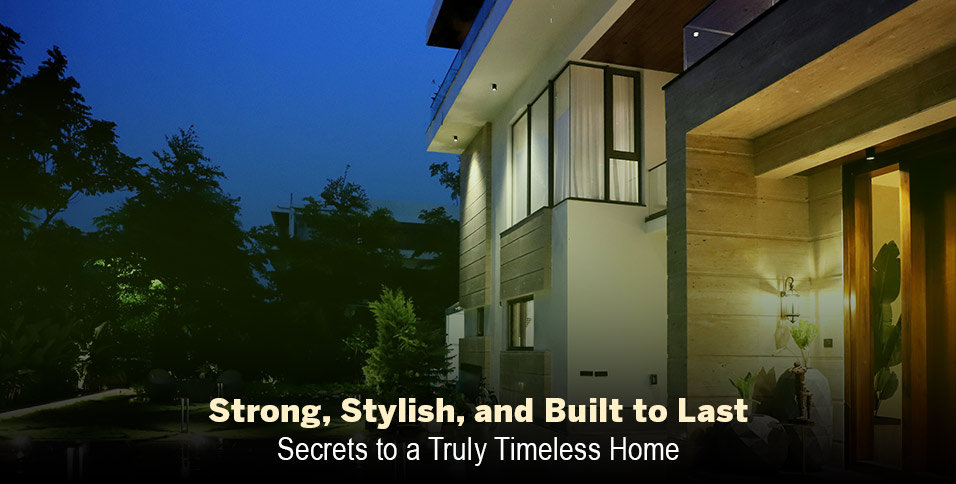
A home should feel right the moment you walk in. Not just today, but years down the line. Some houses age well; others start to feel tired fast. The difference usually comes down to the choices made early on. Strong materials, smart design, and details that don’t fall out of style too quickly. You don’t need to chase every trend to get it right. In fact, doing less often works better. When each part of the home serves a purpose and still looks good, the space stays easy to live in.
So, if you want to know more about what actually holds up, what still looks good years later, and how to get both without overcomplicating the process, keep reading.
Install Impact-Resistant Windows for Safety and Style
Windows do more than bring in light. In places where weather shifts fast or strong winds hit often, they act as a barrier between your home and the outside. Standard glass can crack or shatter under pressure. Impact-resistant windows are built to handle that stress. They stay intact even when hit by debris, which keeps the inside protected.
They also help keep indoor temperatures stable. The sealed design reduces drafts, so your HVAC system doesn’t have to work as hard. That can lead to more consistent indoor comfort, especially during extreme weather.
Style doesn’t take a back seat here. These windows come in different shapes, frame colors, and finishes. You can match them with modern builds or more traditional homes without forcing the look.
Working with experienced impact-resistant window services is key. Proper installation ensures the seals hold and the frames stay secure. That’s what gives you the full benefit, not just the glass itself.
Choose Timeless Exterior Materials
The outside of your home takes the most wear. Sun, rain, wind, and temperature swings all hit it first. Materials like brick, stone, and fiber cement hold up well under these conditions. They don’t warp or fade easily.
Wood can look great, but it needs regular care. Without it, you may see peeling, rot, or insect damage. That adds both cost and effort.
Neutral tones also help keep things looking clean and current. Bold colors can feel dated faster, while simple shades are easier to work with if you ever want to update trims or accents.
A strong exterior not only protects the structure but also keeps the home looking well-kept without constant upkeep.
Prioritize a Functional Layout
A good layout makes daily life smoother. Rooms should connect in a way that feels natural. You don’t want to walk through one space just to get to another that should be easily accessible.
Open layouts work well, but they still need some structure. Defined zones for cooking, dining, and relaxing help keep things organized. Too much openness can make a space feel noisy or hard to manage.
Think about how you move through your home. Entry points, hallway widths, and room sizes all affect comfort. Storage should be close to where you actually need it.
When the layout supports your routine, the home feels easier to live in. It reduces clutter and makes each area more useful.
Invest in High-Quality Flooring
Floors take constant use, so the material matters a lot. Hardwood holds up well and can be refinished if it starts to show wear. Tile works well in areas with moisture, like kitchens and bathrooms. Polished concrete offers durability and a clean look for modern spaces.
Cheaper options may look fine at first, but they often scratch, dent, or wear unevenly. Replacing them too soon adds cost and hassle. Texture and finish also play a role. Matte finishes tend to hide scratches better than glossy ones. Lighter tones can make spaces feel larger, while darker ones add depth.
Good flooring supports daily activity without showing every mark.
Keep the Color Palette Simple and Flexible
Color sets the tone for the whole home. Go too bold, and it can start to feel dated sooner than expected. Stick with neutral shades for walls and larger surfaces. Whites, soft grays, and warm beiges tend to stay relevant and easy on the eyes.
That doesn’t mean the space has to feel plain. You can bring in color through furniture, rugs, and artwork. These are easier to switch out if your taste changes. It gives you room to refresh the look without repainting everything.
A simple palette also helps rooms flow into each other. There’s less visual break, so the home feels more connected. It creates a calm, balanced look that works across different styles.
Focus on Durable Kitchen and Bathroom Finishes
Kitchens and bathrooms see daily use, so materials need to handle heat, moisture, and spills. Stone countertops like granite or quartz hold up well and resist stains better than softer surfaces. Solid cabinets with good hardware last longer and stay aligned with regular use.
Avoid finishes that chip easily or show every mark. High-gloss surfaces may look sleek at first, but they can highlight smudges and scratches. A more muted finish keeps things looking clean with less effort.
Water resistance is vital in these areas. Proper sealing and quality fixtures help prevent damage and reduce maintenance. When these spaces are built with care, they stay functional and easy to manage without constant fixes.
Plan for Energy Efficiency and Comfort
Energy efficiency starts with insulation and sealing. Proper insulation helps maintain indoor temperature, reducing the need for constant heating or cooling. That leads to more stable indoor conditions and lower energy use.
Efficient systems also play a role. Modern HVAC units are designed to use less energy while keeping temperatures steady. Smart thermostats allow better control, so you’re not wasting energy when it’s not needed.
Windows, doors, and roofing all contribute as well. When these elements are properly installed and sealed, they prevent unwanted air exchange. That keeps indoor spaces comfortable without putting extra strain on your systems.
A home that manages energy well stays comfortable in different seasons without driving up utility costs.
A well-built home shows its value in the way it handles daily life. Windows work as they should, rooms feel easy to move through, and nothing demands constant attention. The materials stay steady, the design still feels right, and the space doesn’t fight against how it’s used.
When those details come together, the home doesn’t need frequent changes to stay appealing. It simply keeps doing its job, quietly and reliably, while still looking like it belongs exactly as it is.