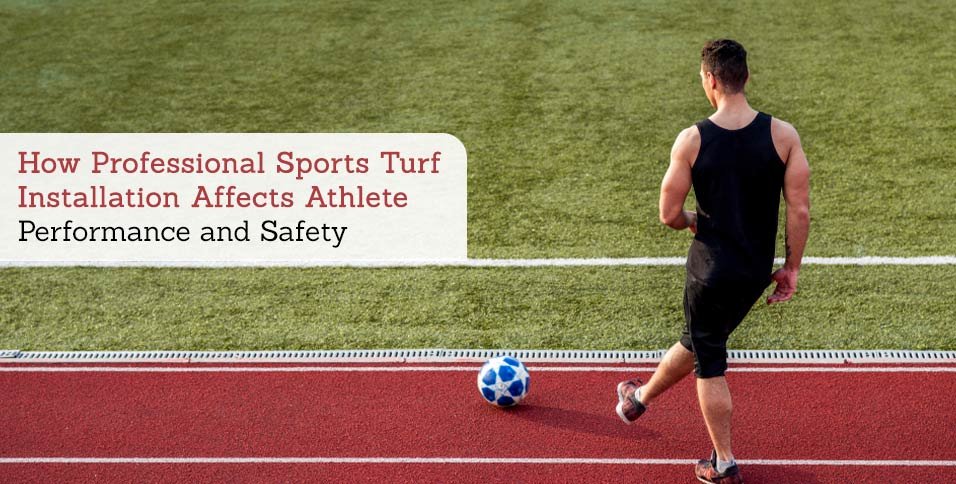
A playing surface does more than provide ground to compete on. Its quality shapes how athletes move, how consistently the game plays out, and how often injuries occur. Professional sports turf installation brings together precise grading, drainage planning, and material science to create fields that hold up under real competitive pressure.
The difference between a properly installed surface and a rushed one shows up in performance data, injury records, and the lifespan of the field itself.
Surface Consistency Drives Better Performance
Predictability is everything on a competitive field. When turf density varies or pile height shifts across zones, athletes lose confidence in their footing and adjust their movement instinctively. That compensation leads to slower reaction times and poor technique.
Facilities that take field quality seriously plan every detail from the ground up. Quality sport turf installation in Las Vegas accounts for regional demands like intense heat and sustained foot traffic, building surfaces that stay stable and safe through an entire competitive season. Working with a certified installer who understands local conditions makes a measurable difference in how long that surface performs.
How Traction Affects Movement
Traction is what allows a player to plant a foot and change direction without losing balance. Turf engineered for athletic use incorporates infill materials calibrated to provide grip without excessive resistance. Athletes expend less corrective energy on a well-designed surface, which translates into cleaner, faster movement over the course of a game.
The Role of Drainage in Field Safety
Water management is one of the less visible but most consequential aspects of field design. Standing water softens the surface unevenly, accelerates wear in specific zones, and creates slip hazards that raise injury risk significantly. Professionally graded fields channel moisture away from the playing area before it becomes a problem.
Permeable base layers are a standard feature in quality turf systems, allowing moisture to drain at a controlled rate rather than pooling at the surface. In warm, dry climates where rain events are infrequent but intense, this infrastructure protects field integrity throughout a full season of use.
Subbase Engineering Matters
Below the visible turf layer sits the subbase, which absorbs impact and keeps the surface level under repeated stress. A properly compacted subbase resists sinking and warping, and it prevents the seam separation that creates tripping hazards. That foundation work is just as important to athlete safety as the fiber quality above it.
Injury Prevention Starts at Installation
The connection between surface quality and soft tissue injury rates is well documented. Fields that lack adequate cushioning place additional stress on knees, ankles, and hips during the repeated impacts of running and jumping. Professional installation addresses these issues through careful selection of padding thickness and infill depth relative to the sport being played.
High-use facilities need surfaces engineered to handle sustained athletic stress without breaking down mid-season. An experienced installer evaluates climate-specific variables and usage patterns before a single component is laid, ensuring the field meets performance and safety standards from day one.
Field Longevity and Consistent Play
A professionally installed field wears evenly. Penalty areas, midfield lines, and other high-traffic zones tend to degrade first on amateur installations, creating surface irregularities that affect both play quality and safety. Proper installation distributes stress more evenly across the field, extending the period before significant wear becomes visible.
Maintenance Compatibility
Good installation also makes ongoing maintenance practical. Infill can be topped up, seams repaired, and drainage components accessed without tearing up the entire surface. A field built with maintenance in mind stays in competitive condition far longer than one installed without that foresight.
Heat Management on Synthetic Surfaces
Synthetic surfaces in warm climates absorb and retain heat, sometimes reaching temperatures that create genuine safety concerns for athletes. Professional installers address these issues through fiber color selection, field orientation analysis, and infill materials chosen specifically for lower heat retention.
Cooling Infill Technologies
Cork and coated sand infills absorb significantly less heat than traditional crumb rubber. A qualified installer evaluates shade coverage, typical peak usage hours, and prevailing wind patterns before recommending a system. That level of site-specific analysis rarely appears in budget or uncertified installations.
Conclusion
Every choice made during sports turf installation has a downstream effect on athlete performance and safety. Subbase depth, infill selection, drainage design, and heat management are not finishing details; they are the foundation of a field that actually performs. Facilities willing to invest in professional installation give their athletes a surface that supports peak output, reduces injury exposure, and holds its quality across years of heavy use.