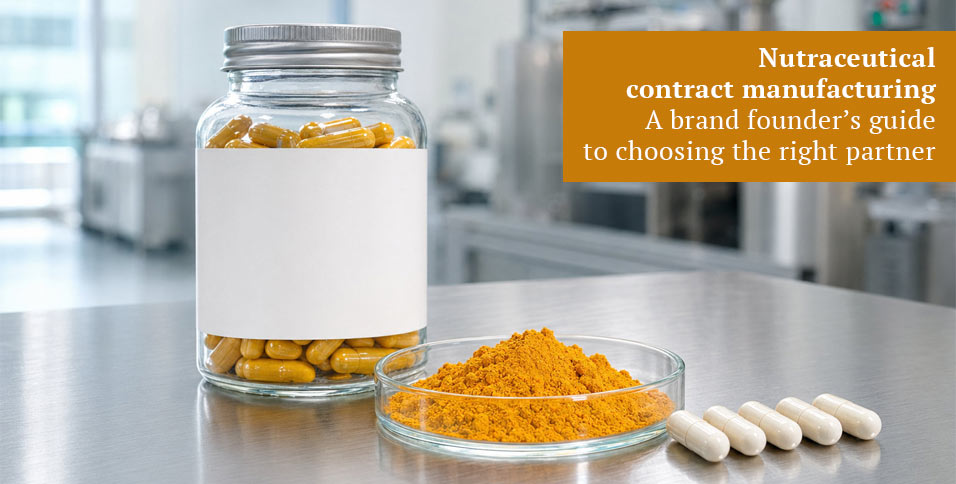
Nutraceutical contract manufacturing is a vital step for health and wellness brands seeking to bring quality supplements to market quickly and reliably. Selecting the right partner impacts product quality, regulatory compliance, and your brand’s reputation. As competition and regulatory scrutiny rise, knowing what criteria to prioritize in your search is essential for long-term business success.
Choosing the right nutraceutical contract manufacturer is a critical decision for any brand founder, as it sets the foundation for product excellence and operational efficiency. When evaluating nutraceutical contract manufacturers, founders should confirm capabilities across sourcing, QA, and regulatory readiness before committing to scale. The right partner will help navigate the complexities of ingredient sourcing, formulation, regulatory requirements, and production flexibility. Nutraceutical manufacturing goes far beyond making capsules or powders; it involves a comprehensive partnership built on transparency, agility, and compliance. For brands comparing nutraceuticals contract manufacturing options, clarity on responsibilities and deliverables reduces delays and prevents quality gaps. Founders must evaluate potential manufacturers using objective criteria to ensure alignment with business goals and customer expectations. This guide offers key insights to help you identify and select the contract manufacturing partner that will best serve your brand’s needs.
Understanding the fundamentals of nutraceutical contract
manufacturing
Before selecting a partner, it’s important to understand what nutraceutical contract manufacturing truly involves. Successful nutraceutical manufacturing requires disciplined documentation, validated processes, and controlled handling from intake through shipment. It encompasses the complete lifecycle from procuring raw ingredients and formulating supplements to ensuring labeling accuracy and delivering finished goods to your distribution channels. Top manufacturers integrate advanced technology, maintain robust quality control systems, and adapt to changing regulations with ease. For startups, contract manufacturing nutraceuticals can also provide access to infrastructure that would otherwise take years to build internally.
Strong partners are FDA-registered, cGMP-certified, and utilize third-party verification for their facilities and practices. Working with nutraceutical contract manufacturers that maintain current audits and corrective action systems helps minimize risk and supports consistent release timelines. These certifications indicate a commitment to both safety and regulatory compliance, reducing business risk for founders. Documentation practices, including clear contracts outlining intellectual property ownership, production timelines, and specific product requirements, further safeguard brand interests throughout the partnership. A reliable nutraceutical products manufacturer will also define testing frequency and acceptance criteria before the first production run.
Beyond certifications and compliance, understanding a manufacturer’s capacity for innovation and formulation expertise is crucial for brand differentiation. Leading contract manufacturers employ experienced formulators and R&D teams who can help optimize bioavailability, improve stability, and develop proprietary blends that set your products apart in a crowded marketplace. They should be able to guide you through ingredient selection, dosage forms, and delivery systems while considering cost efficiency and consumer preferences. A manufacturer with strong formulation capabilities can also assist in reformulating existing products to meet clean label trends, allergen-free requirements, or specific dietary certifications such as vegan, kosher, or halal. Many founders use nutraceuticals contract manufacturing partners to run pilot batches and stability studies without tying up internal resources. This collaborative approach to product development ensures that your nutraceuticals not only meet regulatory standards but also resonate with your target audience and support your brand positioning strategy.
Evaluating quality systems and technology infrastructure
Your manufacturing partner’s approach to quality control will define the reliability of your finished nutraceutical products. For teams scaling quickly, contract manufacturing nutraceuticals should include clear deviation handling, investigation timelines, and documented lot traceability. Progressive facilities use real-time data analytics and comprehensive batch records to detect and prevent issues early, minimizing costly deviations and recalls. Reviewing a facility’s history of regulatory compliance and track record for batch release consistency helps verify their commitment to quality standards. Selecting a nutraceutical products manufacturer with a proven record of on-time release can protect your launch calendar and retailer commitments.
The technology stack at a contract manufacturing site should include modern manufacturing execution systems, electronic batch records, and lab management platforms. These tools facilitate full production traceability, speedy investigations, and continuous improvement. A manufacturer that invests in scalable analytics and transparent reporting gives you greater visibility and control over your supply chain operations. In regulated categories, nutraceutical manufacturing is stronger when digital systems support rapid retrieval of batch data and supplier documentation.
Assessing operational partnership and communication practices
Effective collaboration between a nutraceutical brand and its contract manufacturer is rooted in open communication and shared ownership of project success. A structured nutraceutical contract manufacturing engagement should include an agreed cadence for meetings, escalation paths, and change-control approvals. Evaluate responsiveness during the initial stages—prompt answers to product specification, compliance, and testing questions are indicators of a future smooth partnership. Early alignment on product formulas, process documentation, and quality testing criteria should always be captured in written agreements for clarity and protection. A strong nutraceutical products manufacturer will also flag potential label or claim issues before you invest in packaging.
Experienced contract manufacturers provide proactive updates and timely notifications about production milestones, ingredient sourcing, and process deviations. With nutraceuticals contract manufacturing, frequent communication can prevent last-minute substitutions that compromise claims or consumer expectations. This ongoing transparency helps prevent misaligned expectations and fosters long-term trust. The best partnerships are built on a foundation of service, communication, and mutual investment in brand growth, not just on transaction-based interactions. By applying these selection criteria, brand founders can secure a nutraceutical contract manufacturing relationship that strengthens their value proposition and ensures a consistent, high-quality product offering. Many brands also benefit when nutraceutical contract manufacturers coordinate with testing labs and logistics partners to streamline delivery.