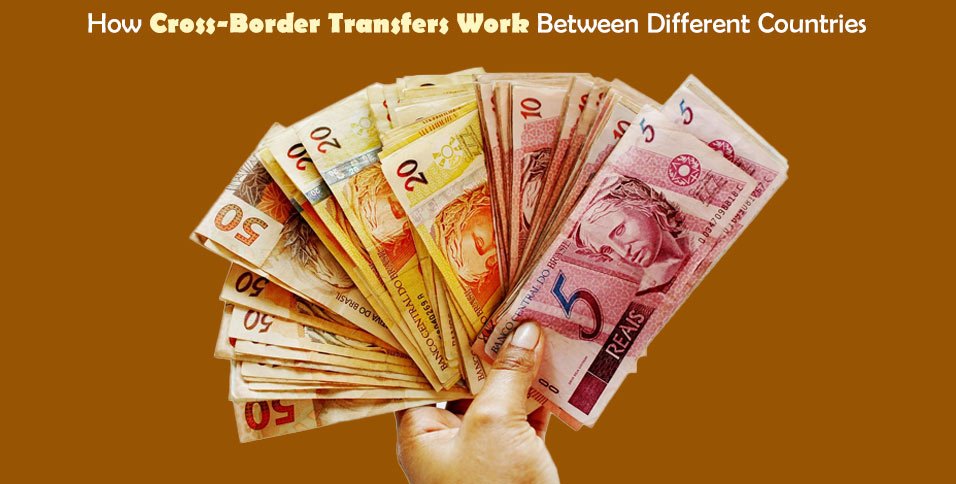
When it comes to sending money to someone in another country, it is no longer as complicated as it was in the past. Yes, you read it right! Today it is way easier than before. However, it is still in your best interest to understand how the entire process works. It does not matter whether you are supporting family abroad, covering travel expenses, or paying for specific services; cross-border transfers have a few common steps that you must follow, irrespective of where you are.
Nonetheless, the good news is that you do not need to be a finance expert to make some choices. All you need to know is what is happening behind the scenes. This way, you can avoid delays and make sure that your money reaches the right recipient safely.
Read on to learn more.
Understanding the Reason
Let us start by understanding why people send money across borders. You should know that cross-border money transfers happen for various reasons. Many people send money to support children, parents, or loved ones living overseas. People also make payments to international employees or freelancers. Some people will transfer money to themselves when visiting other countries.
Nonetheless, you must remember that international transfers are about trust. Many senders choose familiar options, such as money orders at Publix, as it is a comfortable process of funds transfer. It is important to mention here that many people continue to trust Western Union due to its long history and wide reach.
Understanding What Happens After Sending Funds
Once you make an international transfer, your payment does not instantly reach the other side of the world. You should know that as the payment goes through the system, the sender is confirmed first. Subsequently, the service provider works with local networks or partners to deliver the amount. You might want to think of the entire process in terms of sending a package where the amount has to be accepted, processed, and delivered through the right channel.
Understanding Currency Exchange
You might be surprised to know that the receiver might not get the exact same amount in their local currency. The underlying reason is that the money must be converted first. Speaking of money conversion, you should know that exchange rates fluctuate every day. Also, service providers often add a small markup when converting the money into a different currency. While this is absolutely normal, it is still in your best interest to compare options because the difference in exchange rates can affect the final amount the recipient gets.
Understanding Fees & Transfer Costs
It is important to mention here that most international transfers come with fees. Now these fees do not always look the same. For instance, some providers charge a flat fee, while others might charge based on the amount that is sent. Then there are also cases where the fee is hidden in the exchange rate instead of being listed transparently. Keeping all these aspects in mind, it is in your best interest to ask smart questions, including how much the sending fee is and whether the receiver will pay a fee to collect the amount.
Conclusion
Now you know that cross-border transfers can involve a few steps, including processing, conversion, and the final delivery. However, in general, the overall process is simple. Once you understand how exchange rates and fees work, you can actually avoid common mistakes. Also, you can make sure that your amount reaches its destination.