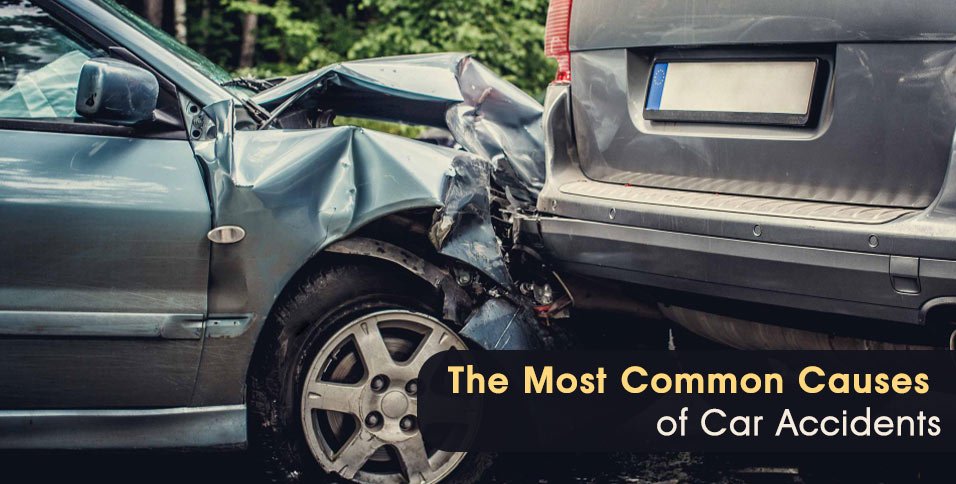
Car accidents rarely happen for just one reason. A driver may be distracted while traffic is moving quickly. Rain may reduce visibility at the same time another vehicle follows too closely. In many cases, several small risks come together and create a serious crash.
Understanding the most common causes of car accidents can help drivers spot danger earlier. It can also encourage safer choices behind the wheel. While no one can control every road condition, many collisions can be prevented through attention, patience and basic vehicle care.
Distracted Driving
Distracted driving is one of the most common causes of preventable crashes. Phones are a major part of the problem, but they are not the only distraction.
A driver may look away to change a song, check a map or reach for something on the floor. Eating, speaking with passengers and adjusting the air conditioning can also pull attention from the road.
Even a brief distraction matters. Traffic can slow without warning. A pedestrian may step into a crosswalk. A vehicle in the next lane may drift closer. When a driver is not fully focused, there may not be enough time to respond.
After a serious crash caused by distraction, Laurens car accident lawyers may help injured people understand how phone records, witness statements and scene evidence can be used to examine what happened.
Speeding and Driving Too Fast for Conditions
Speeding reduces the amount of time a driver has to react. It also increases the distance needed to stop.
The danger is not limited to driving above the posted limit. A driver can be traveling at the legal speed and still be moving too fast for the conditions. Heavy rain, fog, road construction and thick traffic often require slower driving.
Higher speed also increases the force of impact. This can lead to more severe injuries and greater vehicle damage. A collision at low speed may result in a minor repair. The same crash at highway speed can have life-changing consequences.
Driving Under the Influence
Alcohol affects judgment, coordination and reaction time. A driver may feel confident while still being unable to judge distance or respond safely.
Illegal drugs are also dangerous, but prescription and over-the-counter medications can create risks too. Some cause drowsiness, blurred vision or slower thinking. Drivers should read warning labels and speak with a medical professional when they are unsure whether a medication affects driving.
The safest choice is simple. A person who has been drinking or feels impaired should not drive. A ride from a friend, taxi or rideshare service is far safer than taking a chance.
Fatigued Driving
Tired driving does not always receive the same attention as impaired driving, yet it can produce similar effects.
A fatigued driver may struggle to focus, drift between lanes or miss traffic signs. Reaction time becomes slower. In severe cases, the driver may fall asleep for a few seconds without realizing it.
Shift workers, long-distance drivers and people traveling late at night face a higher risk. Still, anyone can become dangerously tired. Opening a window or turning up the radio is not a reliable solution. The safest response is to stop and rest.
Following Too Closely
Tailgating leaves very little room for error. If the vehicle ahead brakes suddenly, the following driver may not have enough space to stop.
This is a common cause of rear-end collisions. These crashes can lead to neck injuries, back pain and concussions, even when the vehicles do not appear badly damaged.
Drivers should leave more space during rain, heavy traffic and poor visibility. Extra distance is also important when following motorcycles or large trucks, since these vehicles may respond differently to changing road conditions.
Unsafe Lane Changes
Changing lanes should be a simple part of driving, but it often causes accidents when done carelessly.
A driver may fail to use a turn signal, forget to check a blind spot or move into a lane too quickly. Some drivers cross several lanes at once. Others misjudge how fast a nearby vehicle is approaching.
Mirrors are helpful, but they do not show everything. Drivers should signal, check mirrors and look over their shoulder before moving. The process only takes a moment.
Failure to Yield
Many accidents happen because a driver enters traffic when it is not safe.
This often occurs at intersections, highway entrances and left turns. Drivers may also fail to yield to pedestrians, cyclists or vehicles that have the right of way at a four-way stop.
Confusion is not an excuse to rush. When the right of way is unclear, slowing down and waiting is usually the safest option.
Running Red Lights and Stop Signs
Intersection crashes can be especially serious because vehicles often strike each other from the side. Side-impact collisions offer less protection than front or rear crashes.
Drivers sometimes run red lights because they are distracted, impatient or trying to beat a yellow light. Others roll through stop signs without checking for cross traffic.
A green light does not guarantee that an intersection is clear. Drivers should take a quick look before moving forward, especially when visibility is limited.
Aggressive Driving
Aggressive driving includes speeding, sudden lane changes, tailgating and blocking other vehicles. It may also involve racing or ignoring traffic signals.
Road rage makes the risk worse. An angry driver may focus more on another person than on traffic. That can lead to poor decisions and intentional unsafe behavior.
The best response to an aggressive driver is distance. Do not argue, make gestures or try to compete. Let the vehicle pass when it is safe.
Weather, Road Hazards and Vehicle Problems
Not every crash begins with driver behavior. Weather and road conditions can also create danger.
Rain reduces traction. Fog limits visibility. Potholes, debris and faded lane markings may force sudden movements. Drivers are still expected to adjust to these conditions by slowing down and paying closer attention.
Vehicle maintenance matters as well. Worn tires, faulty brakes and broken lights can contribute to a collision. Regular inspections and prompt repairs reduce the chance that a mechanical issue will become an emergency.
How Drivers Can Lower the Risk
Safe driving is built on basic habits. Put the phone away. Leave enough following distance. Use turn signals and check blind spots. Slow down when weather or traffic conditions change.
Drivers should also avoid getting behind the wheel when they are tired, impaired or emotionally upset. A few extra minutes of caution can prevent months of physical, financial and emotional stress.
Final Thoughts
Most car accidents are not random. They usually involve distraction, speed, poor judgment or a failure to respond to road conditions.
Drivers cannot remove every risk, but they can reduce many of them. Staying alert, keeping a safe distance and maintaining the vehicle are simple steps that matter. Safe driving is not about perfection. It is about making steady, responsible choices every time the car is on the road.