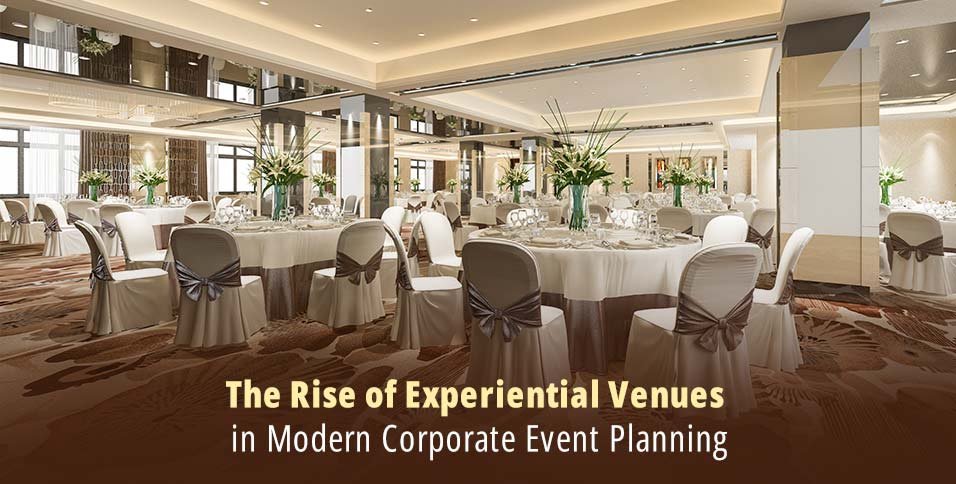
The traditional corporate gathering is undergoing a massive transformation. For decades, company offsites and executive retreats were synonymous with sterile hotel ballrooms, fluorescent lighting, and rigid schedules. Today, the global corporate retreats market, valued at 31.8 billion dollars in 2024, is projected to more than double over the next decade. This growth is a clear indicator that business leaders are completely reimagining how they bring their teams together. They are leaving behind the outdated, uninspiring formats of the past to embrace a more holistic approach to corporate gatherings. This shift is largely driven by the blending of professional obligations with lifestyle aspirations. As outlined by Forbes, the global bleisure travel market is projected to reach 1.7 trillion dollars by 2032, with 55 percent of business travellers noting that it helps them maintain a better work-life balance. This evolution means that event planners must now look beyond standard meeting rooms to find settings that inspire creativity, encourage open communication, and foster authentic professional connections.
Bridging the Gap for Remote and Hybrid Teams
With 91 percent of companies organising offsites now operating with remote or hybrid models, the core purpose of the corporate retreat has fundamentally changed. It is no longer just about quarterly reviews, training seminars, or financial planning. Instead, these gatherings serve as critical touchpoints for building company culture and bridging physical divides among staff who rarely see each other in person. Creating shared experiences away from typical workplace settings is now essential for long-term corporate health. In fact, research indicates that hosting events in relaxed, dynamic environments naturally boosts morale and increases employee retention, as interactive team-building away from the desk builds lasting trust. Furthermore, Harvard Business Review research highlights a 26 percent increase in productivity following dynamic offsite corporate gatherings, proving that getting out of the office yields a highly measurable return on investment. Teams return to their daily tasks feeling refreshed, motivated, and far more aligned with the overarching mission of the business.
Selecting Destinations that Blend Business with Lifestyle
When planning an international executive retreat, location is everything. Companies are increasingly drawn to dynamic cities that offer both robust professional infrastructure and rich cultural experiences. Thailand has rapidly become a premier hub for the business events sector, welcoming 1.2 million overseas delegates in a single recent fiscal year, marking a massive 42 percent year-over-year increase. Bangkok itself has recently climbed to seventh place globally and third in the Asia Pacific region for hosting international meetings. For leaders tasked with securing an event space in Bangkok, the priority is often finding versatile, lifestyle-oriented venues that capture the city’s vibrant energy. These dynamic locations provide the perfect backdrop for fostering innovation and encouraging cross-departmental collaboration. Rather than confining attendees to windowless conference centres, forward-thinking planners are choosing tropical-inspired spaces that blend alfresco dining with lush, relaxed atmospheres to effectively combat corporate burnout.
Core Elements of an Effective Corporate Retreat
Transitioning to an experiential venue requires a strategic and thoughtful approach. Planners must carefully evaluate spaces based on how well they facilitate both structured business activities and casual, organic networking. When evaluating potential venues for a modern corporate gathering, several key factors consistently drive success:
- Immersive Environments: A visually appealing setting, such as a nature-infused or open-air space, has been shown to improve cognitive function and reduce stress. Studies show that more than a third of employees generate their most creative ideas during these relaxed offsite experiences, completely away from their usual daily routines.
- Flexible Layouts: Venues must offer seamless transitions between formal presentations, collaborative workshops, and evening social events without requiring a disruptive change in location. A single venue that handles everything saves valuable time and simplifies complex event logistics.
- Integrated Wellness: Incorporating high-quality culinary experiences and wellness-focused activities directly combats the exhaustion traditionally associated with corporate travel.
- Cultural Connection: Providing opportunities for delegates to experience local flavours and aesthetics ensures the event feels like a genuine reward rather than an exhausting corporate obligation.
The Financial and Cultural Returns of Experiential Events
The transition away from conventional meeting halls is not merely an aesthetic preference. It is a highly strategic business decision. Mid-size and large companies are actively increasing their retreat budgets because they recognise the premium value of these curated experiences. As the global wellness retreat market heads toward a projected 364 billion dollars by 2032, organisations will continue adapting their travel policies to prioritise employee well-being as a core pillar of their corporate strategy. Robust team-bonding strategies deliver significant financial returns, with data showing that medical costs and absenteeism drop substantially for every dollar invested in corporate wellness initiatives. Ultimately, by prioritising engaging, non-traditional venues, businesses are turning their corporate events into powerful engines for innovation, employee loyalty, and long-term commercial success in an increasingly competitive global marketplace.