Key Takeaways
- Prompt medical care can protect health and create useful documentation of crash-related symptoms.
- Photos, witness details, work records, and vehicle information can help explain what occurred.
- A single work-related crash may involve workplace benefits, auto insurance, or a claim against another driver.
- Employees should report the incident through the proper workplace channels as soon as reasonably possible.
- Employers can reduce risk through clear driving policies, training, maintenance, and realistic schedules.
A car crash during a work task can create immediate health concerns and complicated questions about reporting, insurance, and lost income. Whether someone was making a delivery, traveling to a client meeting, driving between job sites, or responding to an assignment, the steps taken after the collision can make a meaningful difference. Colorado employees should also understand how the Colorado hands free law may affect evidence of distraction after a crash. Safety should always come first. After that, injured workers, contractors, and employers should focus on preserving accurate information, getting appropriate medical care, and following workplace reporting procedures. The facts surrounding the trip, including its purpose, timing, route, vehicle, and employer instructions, may all matter later.
Why Work-Related Crashes Need Careful Review
Work-connected collisions often involve more than a standard auto accident claim. A driver may need treatment, may be unable to perform regular duties, and may need to notify a supervisor while also dealing with an insurer. The driver’s job role, destination, assigned task, work hours, and ownership of the vehicle can all provide important context. A short drive from one worksite to another may be viewed differently from an ordinary commute between home and a regular workplace. State laws and workplace policies vary, so broad information cannot determine whether a particular injury qualifies for benefits or coverage.
First Steps After the Crash
- Call 911 when anyone is injured or the scene is unsafe.
- Move out of traffic if it can be done safely.
- Exchange contact, vehicle, and insurance details with other involved drivers.
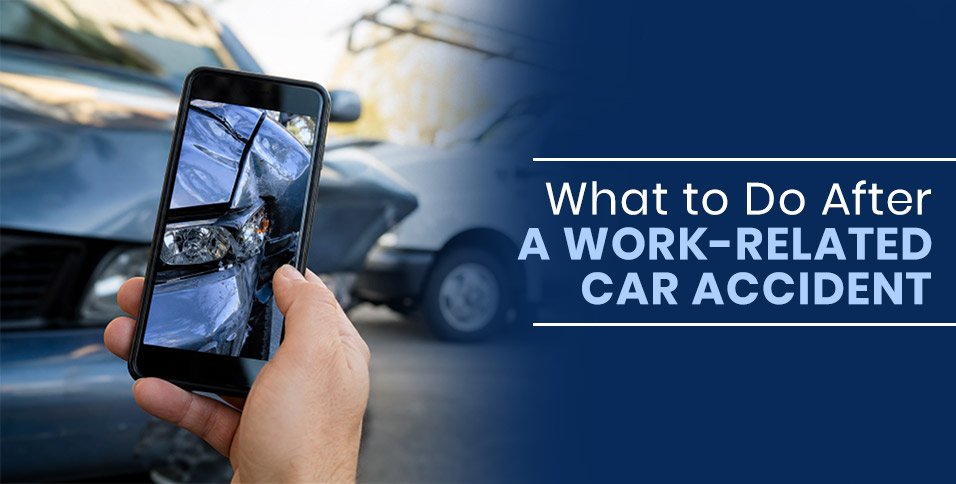
- Take photographs of vehicles, road conditions, traffic controls, and visible injuries.
- Seek medical evaluation, even if pain initially seems minor.
- Report the collision to the employer under the applicable procedure.
- Save paperwork, receipts, appointment notes, and work-related messages.
For example, a technician may feel well enough to finish the day after a low-speed collision, then develop neck pain and headaches that evening. Delayed symptoms are still worth prompt medical attention because injuries are not always obvious at the scene.
Evidence That Can Matter
Evidence can disappear quickly after a crash. Vehicles may be repaired, camera footage may be overwritten, and witnesses may become difficult to locate. Preserve original files and avoid deleting texts, dispatch messages, photographs, or route information.
- Police report numbers and incident reports
- Scene photographs, dashcam footage, and nearby security video
- Witness names and contact information
- Maintenance, inspection, and repair records
- Time sheets, delivery logs, route records, and work assignments
- Texts, emails, or dispatch instructions connected to the trip
- Medical records, work restrictions, and records of missed hours
When a Crash May Count as Work-Related
A crash may be connected to work when the driver was acting for the employer’s benefit, such as traveling between offices, visiting customers, delivering goods, picking up supplies, transporting equipment, or responding to an emergency assignment. A personal vehicle can still be involved in a work-related incident if the employee was using it for an approved business task. Gray areas can arise when a driver makes a personal stop, leaves a worksite after a shift, or uses a company vehicle outside normal hours. The purpose of the trip and the employer’s instructions often matter. OSHA’s guidance on work-related motor vehicle accidents distinguishes a normal commute from travel performed in the employer’s interest for workplace recordkeeping purposes.
Possible Benefits and Insurance Claims
More than one potential claim path can exist after a work crash, although eligibility depends on the facts and applicable law. Workplace injury benefits may help with approved treatment and a portion of lost wages. If another driver caused the collision, that driver’s liability coverage may also be relevant. Commercial auto coverage, employer policies, and uninsured or underinsured motorist coverage can create additional questions. Before accepting a payment or signing a release, review what the document covers and whether it could affect another claim. Keeping records of medical bills, job restrictions, reduced hours, and out-of-pocket costs helps create a clearer picture of the crash’s impact.
The Role of Driver Distraction
Distraction can be visual, manual, or mental. Looking at a phone, adjusting navigation, eating, reaching for paperwork, talking with passengers, or focusing on the next job can pull attention away from driving. The CDC’s workplace distracted-driving research explains that hands-free phone conversations can still reduce the attention available for safe driving. Useful evidence may include witness accounts, traffic-camera video, vehicle data, phone records, or statements made after the collision. A citation can be important, but it does not automatically decide fault, coverage, or every injury claim.
Common Mistakes to Avoid
- Waiting too long to report the crash or injury
- Skipping treatment because symptoms seem manageable
- Guessing about facts or accepting blame at the scene
- Posting crash details or injury updates on social media
- Discarding damaged clothing, equipment, or vehicle parts
- Failing to track missed work, restrictions, and reduced income
Steps Employers Can Take
Employers can prevent many work-driving hazards through practical planning. Effective measures include a written device-use policy, regular vehicle maintenance, seat-belt requirements, training on fatigue and backing risks, and schedules that do not reward speeding. A field-service company can also reduce distraction by allowing technicians to safely park before returning calls or updating job records.
Questions to Ask After a Work Crash
- Was the driver performing an assigned task when the crash happened?
- Who owned and insured the vehicle?
- Were there witnesses, cameras, or vehicle data available?
- Was the employer notified, and was a report completed?
- How has the injury affected treatment, job duties, hours, or income?
- Has an insurer requested a statement, authorization, or release?
Conclusion
A work-related car accident deserves careful attention from the beginning. Prioritize immediate safety, obtain medical care even when injuries seem minor, report the incident through the proper channels, and preserve photos, witness information, medical records, and other documents while the details are still fresh. Keeping track of missed work, expenses, and communications can also help create a clearer record of what happened. These practical steps can help workers and employers respond more thoughtfully, protect important information, and better understand the available options and responsibilities after a crash in 2026.