Table of Contents
- Why AC Problems Worsen in Phoenix Summers
- Early Warning Signs to Watch
- What Homeowners Can Check Safely
- Common Causes of Cooling Trouble
- When to Repair or Replace
- What to Do During an AC Emergency
- A Simple Maintenance Plan for 2026
- How to Reduce Cooling Strain and Energy Use
- Questions to Ask an HVAC Technician
- Conclusion
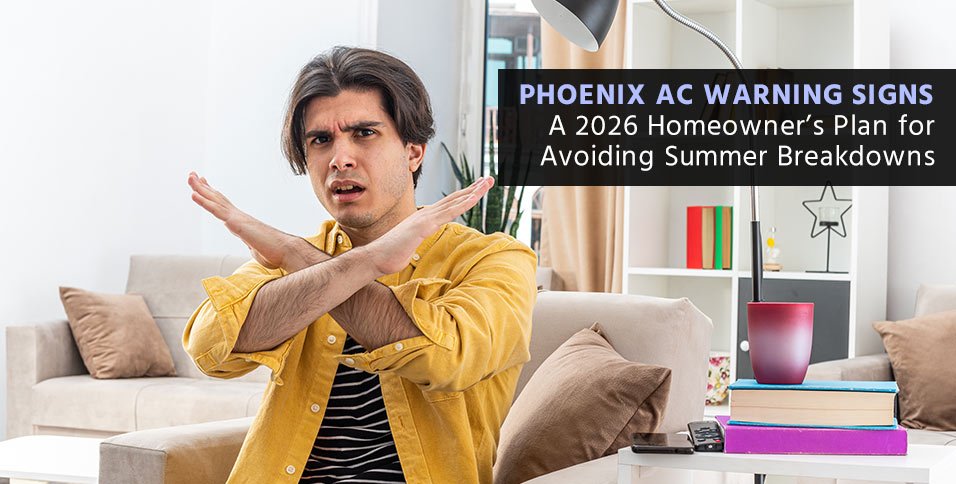
In Phoenix, a small air conditioning problem can turn into a serious comfort and safety concern quickly. Learning to spot changes in your system early gives you time to take sensible steps, schedule AC repair Phoenix, AZ, and avoid waiting for a complete shutdown during the hottest part of summer. Not every unusual sound or longer cooling cycle means the system is about to fail. Still, changes from your normal cooling performance deserve attention, especially when they occur together. Warm rooms, rising utility bills, weak airflow, ice, water leaks, and repeated cycling are all signals that should not be ignored.
Why AC Problems Worsen in Phoenix Summers
Air conditioners in Phoenix often run for long stretches, placing ongoing demand on motors, electrical components, coils, drains, and airflow systems. Extreme outdoor temperatures can expose a dirty filter, a weak capacitor, a refrigerant issue, or a restricted coil that may have seemed minor earlier in the year. Cooling is also more than a convenience when temperatures are severe. The City of Phoenix describes extreme heat as a public health emergency and maintains a heat-response plan that includes cooling and respite locations for residents who need relief. Review the city’s 2026 heat response plan before an emergency occurs. An AC may keep running while gradually losing efficiency, so do not assume that a running system is working properly.
Early Warning Signs to Watch
Pay attention to behavior that differs from your system’s usual performance. A single symptom may have several possible causes, but multiple warning signs call for prompt action.
- Warm or only mildly cool air from supply vents.
- Weak airflow or rooms that cool unevenly.
- Long cooling cycles or near-constant operation.
- Frequent starts and stops, also called short cycling.
- New rattling, buzzing, grinding, squealing, or banging sounds.
- Water around the indoor unit, drain line, or ceiling near the equipment.
- Ice on refrigerant lines, the indoor coil, or outdoor equipment.
- Musty, burning, or unusual odors from vents.
- A noticeable rise in energy use without a clear change in household habits.
What Homeowners Can Check Safely
Before requesting service, complete a few basic checks. These steps can identify simple restrictions without putting you at risk.
- Confirm the thermostat is set to cooling mode and set below the current indoor temperature.
- Check the air filter. Replace it if it looks dirty or clogged.
- Make sure supply vents and return grilles are open and not blocked by furniture, rugs, or curtains.
- Clear leaves, stored items, and loose debris from around the outdoor unit.
- Check for a tripped breaker once, but do not repeatedly reset it if it trips again.
- Turn the system off if you see smoke, smell burning, hear severe mechanical noise, or find active leaking.
Do not open electrical panels, handle refrigerant, bypass safety controls, or touch capacitors. Those jobs require trained HVAC professionals and proper equipment.
Common Causes of Cooling Trouble
Warm Air or Poor Cooling
Possible causes include incorrect thermostat settings, a dirty filter, restricted airflow, refrigerant concerns, electrical faults, or compressor problems. Check the simple items first, then schedule testing if cooling does not improve.
Weak Airflow
A clogged filter, a closed vent, a blocked return, a duct problem, or a blower issue may reduce airflow. Replacing the filter can help, but persistent weak airflow needs an inspection.
Ice or Water Around Equipment
Ice can be related to restricted airflow, refrigerant issues, or coil trouble. Water may come from a clogged condensate drain, a frozen coil, a damaged drain pan, or a condensate pump problem. Turn the system off if leaking continues and protect nearby flooring or belongings.
Frequent Cycling or New Noises
Thermostat problems, airflow restrictions, equipment sizing issues, or electrical faults may cause short cycling. Grinding, squealing, or loud buzzing should prompt you to stop using the system and arrange a diagnostic visit.
When to Repair or Replace
Repair versus replacement should be a practical decision, not an automatic recommendation based only on age. Repair may be reasonable when the equipment is relatively young and has one serviceable component failure. Replacement should be considered when costly breakdowns recur, cooling remains uneven after repairs, or the unit cannot maintain comfortable indoor temperatures during typical summer operation.
Ask for a written explanation of the problem, repair options, expected service life after repair, and replacement alternatives. This makes it easier to compare costs, reliability, efficiency, and comfort, rather than making decisions under pressure.
What to Do During an AC Emergency
- Shut the system down if it is smoking, leaking heavily, or making loud mechanical sounds.
- Move children, older adults, pets, and people with health concerns to an air-conditioned location if the home is becoming unsafe.
- Close blinds and curtains on sunny windows, and avoid cooking or using other heat-producing appliances when possible.
- Contact a qualified HVAC professional and describe the symptoms, including sounds, leaks, ice, and thermostat behavior.
- Use a cooling center, library, mall, or another safe air-conditioned location if needed.
Fans move air but do not lower the room temperature. The EPA advises against relying on electric fans for cooling in a closed room when temperatures reach the mid-90s or higher. Its guidance on extreme heat and indoor air quality also recommends shading windows and planning for a cool place.
A Simple Maintenance Plan for 2026
- Check the filter monthly during heavy-use months.
- Keep the outdoor unit clear of debris and stored materials.
- Look for standing water around visible drain areas.
- Notice changes in airflow, sound, humidity, and run time.
- Schedule professional maintenance before peak summer heat.
- Keep records of repairs, replaced parts, and recurring symptoms.
Maintenance cannot guarantee that equipment will never fail. It can identify wear, drainage issues, and airflow restrictions before they become more serious.
How to Reduce Cooling Strain and Energy Use
Use thermostat schedules carefully, close shades during direct sun, seal obvious gaps around windows and doors, and keep return grilles clear. Run ovens, dryers, and other heat-producing appliances during cooler hours when practical. If bills remain unusually high, ask a technician to evaluate duct leakage, insulation, airflow, and overall system performance.
Questions to Ask an HVAC Technician
- What caused the problem, and which part is affected?
- Does the issue create a safety concern or mainly reduce performance?
- Can the system be repaired safely, and how long should that repair last?
- Are airflow, duct leakage, insulation, or drainage contributing to the problem?
- What maintenance could reduce the chance of a repeat failure?
- When would replacement be more practical than another repair?
- What work, parts, and warranties are included in the written estimate?
Final Takeaway
Warm air, weak airflow, strange noises, leaks, ice, and higher energy use are all reasons to act before a breakdown becomes urgent. A filter replacement may solve a simple restriction, but recurring problems, electrical concerns, refrigerant issues, and major leaks require professional attention. Early action can help Phoenix homeowners protect comfort, reduce stress, and avoid an AC emergency during extreme heat. Scheduling routine maintenance before peak cooling season can also improve efficiency, extend equipment life, and reduce the likelihood of unexpected repairs. Addressing small warning signs promptly often costs less than waiting for a complete system failure, helping homeowners maintain reliable cooling, lower energy costs, and a more comfortable indoor environment throughout Arizona’s hottest months.