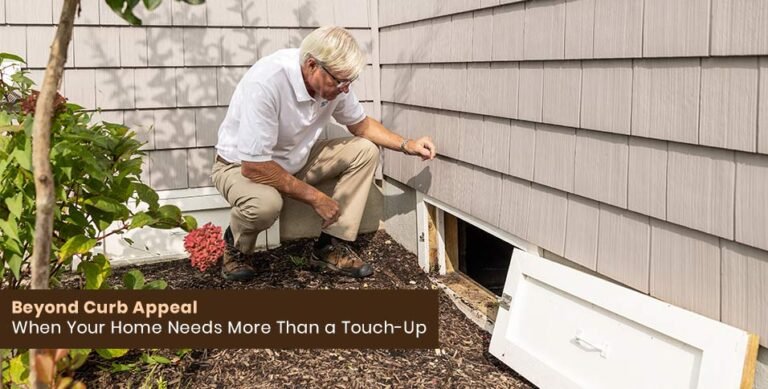
When evaluating investment properties, spreadsheets fill up with purchase prices, rental income, occupancy rates, and projected appreciation. Those figures matter, but physical condition often dictates how an asset performs against financial targets over time.
Postponing repairs can look like a sensible way to protect cash flow when operating expenses rise. Buildings, however, do not pause their deterioration. A minor defect left alone tends to develop into an expensive repair, interrupt rental income, or drag down resale value. Understanding what deferred maintenance quietly costs allows owners to allocate capital with far better precision.
Why Property Owners Delay Essential Upkeep
Maintenance constantly competes against immediate demands. Mortgages, property taxes, insurance premiums, utilities, and vacancies consume liquid cash quickly.
Managing multiple buildings tightens the squeeze. Funding an urgent repair at one property often forces an owner to postpone work on another.
Triage presents another hurdle. A slow plumbing leak or deteriorating exterior surface rarely feels urgent, especially while the building remains occupied and generates rent. Owners planning to sell within a few years may also hesitate to spend money on items that fail to produce an immediate jump in market value.
There is a critical difference between planned maintenance and neglected repairs. Putting an item on a schedule following a professional assessment represents deliberate capital management. Ignoring a known defect without calculating the fallout invites avoidable investment risk.
How Small Defects Multiply Into Major Liabilities
Building systems are interconnected. When a single component fails, damage rarely stays confined to the initial problem area.
Consider a minor plumbing leak hidden inside a wall. Addressed promptly, the fix requires opening an access panel, swapping a fitting, and patching drywall. Ignored over months, moisture ruins drywall, insulation, subflooring, and adjacent finished materials.
Roofing assemblies follow a similar pattern. Water entering through deteriorated roofing materials can eventually saturate attic insulation, weaken ceiling drywall, and damage interior finishes. Major building components deserve particular attention during financial planning. For example, budgeting for local roof replacement before recurring leaks cause interior damage can help property owners avoid more extensive repairs and unexpected disruptions.
Mechanical equipment reacts similarly to neglect. Skipping routine HVAC maintenance can reduce operating efficiency, increase utility expenses, and contribute to premature equipment failure. The eventual bill may include both equipment repairs and expenses associated with restoring affected areas.
Planning for Major Structural Assets
Foundations, exterior walls, roofing systems, and mechanical equipment represent significant capital investments. Their condition should guide annual reserve allocations and long-range financial planning.
This does not mean every older component needs immediate replacement. Routine inspections, service histories, and realistic assessments of remaining service life help investors determine when ongoing maintenance makes economic sense and when replacement becomes the smarter financial decision.
Indirect Expenses That Blindside Budgets
Writing checks for replacement parts and labor covers only a fraction of the actual expense. Postponing repairs triggers secondary costs that rarely appear on an initial budget.
Emergency contractor calls cost substantially more than scheduled service visits. Trade specialists charge higher fees for after-hours work, rush procurement for parts, and urgent mobilization. Water or structural damage can spread rapidly while waiting for an emergency crew. Scheduled work allows owners to compare estimates, select qualified contractors, and run projects during normal business hours.
Tenant retention also takes a hit. Chronic plumbing problems, heating outages in cold weather, and moisture damage breed complaints. When tenants leave, owners absorb turnover vacancies, marketing expenses, cleaning, and leasing fees. If repairs become invasive, units sit vacant while contractors complete work, halting rental income entirely.
Negotiating leverage evaporates when selling an asset with accumulated maintenance needs. Prospective buyers evaluate condition when calculating offers. Visible deterioration or inspection defects give buyers justification to demand repair credits, negotiate price reductions, or walk away entirely.
Insurance carriers and mortgage lenders evaluate physical condition as well. Underwriters scrutinize roof age, electrical panels, and plumbing systems during renewals. Unresolved defects lead to higher premiums, modified coverage requirements, or non-renewal. Lenders routinely mandate property assessments and specific repairs before approving financing or refinancing packages.
The Mathematical Impact on Investment Yields
Looking at the numbers shows how maintenance delays undermine portfolio returns. Rising repair overhead drags down Net Operating Income (NOI), while surprise capital demands erode cash reserves intended for future investments.
Consider an illustrative example. An investor chooses to postpone an estimated $3,000 repair because the issue seems manageable. Over time, the defect causes collateral damage to neighboring materials, pushing the eventual remediation and repair cost to $12,000. That single delay produces an extra $9,000 expense, excluding lost rental income or administrative hours spent coordinating the repair.
Across multiple properties, repeated delays compound financial pressure. Budgets swing unpredictably, and available cash flows dry up, stalling planned improvements and acquisitions.
A Structured Approach to Maintenance Priorities
Investors do not need to patch every cosmetic imperfection immediately. The objective is establishing a system that directs capital toward the most destructive risks first.
Prioritize repairs based on risk rather than upfront cost. Active water intrusion, electrical fire hazards, foundation movement, and disruptions to vital building services demand top billing over cosmetic flaws. Evaluate both the speed of potential deterioration and the structural fallout if an issue gets worse.
Keep routine upkeep distinct from capital expenditures. Routine maintenance encompasses recurrent jobs like inspections, mechanical servicing, and minor repairs. Capital expenditures involve significant long-term investments, such as replacing a complete roof, installing a central heating plant, or rebuilding masonry walls. Tracking these pools separately keeps operating funds clean while funding future replacements.
Create a property-specific capital reserve. Generic budget percentages fail because building demands vary. Older properties with legacy infrastructure require deeper reserves than newly built structures. Factor in property age, square footage, component conditions, and past service logs to establish a realistic reserve account.
Base decisions on consistent physical inspections. Thorough records tracking past repairs, contractor recommendations, and ongoing equipment issues provide objective data. When an aging component requires frequent repairs, documented service invoices reveal the exact point where continuing maintenance costs more than replacement.
Protecting Long-Term Capital and Resale Strength
Consistent maintenance brings financial clarity to real estate investing. Scheduled property care provides budget predictability, controls contractor rates, and keeps current residents satisfied.
Properties kept in solid physical shape command higher rents and attract stronger buyers when the time comes to sell. In competitive markets, building condition often tips the scale during negotiations.
Portfolio owners with organized maintenance histories understand their exact future capital demands. That clarity makes refinancing discussions and distributions far simpler to execute. Sound maintenance practices preserve functional equipment through its full service life by monitoring structural components, tracking aging curves, and making calculated repairs before minor faults erode asset value.
Treating property upkeep as an ongoing investment strategy preserves cash flow and safeguards balance sheet equity. Addressing critical building repairs promptly, building dedicated cash reserves, and relying on regular physical inspections keeps repair budgets predictable and shields overall investment yields.
Also read: How Modern Investors Are Scaling High-Yield Real Estate Portfolios in 2026