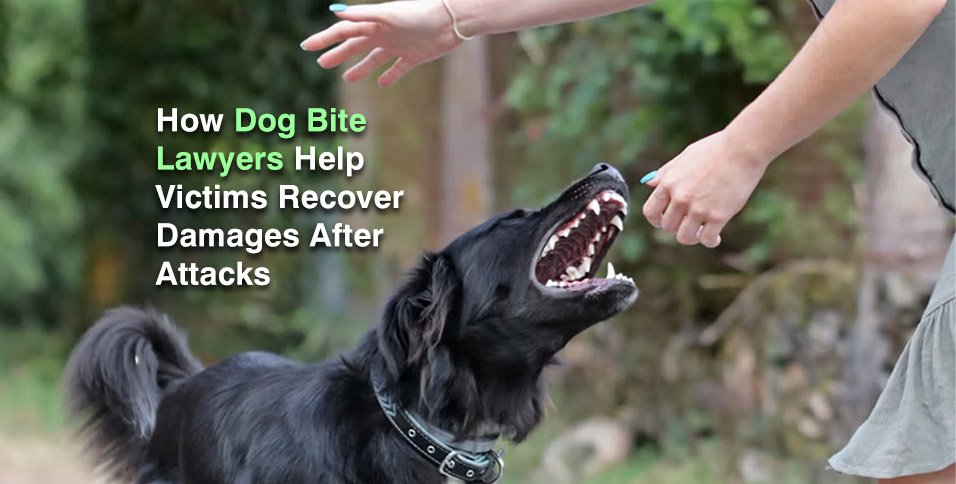
Illinois is home to vibrant neighborhoods, busy parks, and communities where families, children, and pet owners regularly share public spaces. While most interactions with dogs are harmless, an unexpected attack can leave victims with painful injuries, emotional trauma, and lasting financial burdens. The aftermath often involves far more than emergency medical treatment, as injured individuals may also face ongoing care, time away from work, and difficult conversations with insurance companies.
Understanding Illinois’ legal protections can help victims make informed decisions about their rights and the steps available to seek compensation after an attack. Acting quickly is also important, since preserving evidence and documenting injuries can significantly strengthen a potential claim. For those seeking experienced legal guidance, consulting a dog bite lawyer in Chicago can provide valuable insight into the claims process, help protect important legal rights, and support the pursuit of fair compensation for the physical, emotional, and financial impact of a serious dog attack.
Legal Help Early
Early advice can protect photos, witness names, animal control records, and treatment notes before details fade. A dog bite lawyer can explain Illinois liability rules, assess owner conduct, and guide victims through insurer contact.
Illinois Liability Rules
Illinois law often holds an owner responsible when a dog injures someone who was peaceably present and did not provoke the animal. Prior bite history may be unnecessary. A lawyer reviews entry permission, animal control, restraint, warning signs, and witness accounts before presenting the claim.
Proving the Attack
A claim needs clear proof, not scattered memories. Attorneys gather medical records, photographs, video clips, incident reports, and witness statements. They may also seek prior complaints about aggression or poor containment. Each source connects the animal, the owner, the injury, and the financial loss.
Medical Damages
Dog bite care may include wound cleaning, stitches, rabies assessment, antibiotics, surgery, scar revision, and physical therapy. Deep punctures can affect tendons, sensation, or joint movement. Lawyers organize provider notes and future care opinions to prevent insurers from minimizing a lasting injury.
Lost Income
Recovery can keep victims away from work for days, weeks, or longer. Some return with lifting limits, dressing changes, or restricted hand use. Attorneys collect pay records, employer letters, tax documents, and physician restrictions to show lost earnings and reduced earning capacity.
Pain and Trauma
A bite can leave more than visible marks. Victims may experience nightmares, panic around animals, embarrassment from scars, or fear in public spaces. Children may need counseling after facial or hand injuries. Lawyers present these harms with treatment notes, photographs, and personal evidence.
Dealing With Insurers
Adjusters often ask for recorded statements soon after an attack. They may question provocation, trespass, treatment gaps, or wound severity. Legal counsel handles communication, corrects incomplete facts, and submits records in order. This keeps the claim centered on evidence, liability, and fair payment.
Finding Coverage
Many claims involve homeowners’ or renters’ insurance. Other cases may include landlords, property managers, dog sitters, or businesses that allowed unsafe conditions. A lawyer reviews every possible policy because severe injuries can exceed the limits of a single coverage source. A broader review may improve recovery.
Valuing the Case
Case value depends on wound depth, infection, scarring, treatment length, wage loss, emotional harm, and future medical needs. Age and visible scars also matter. Attorneys compare documented facts with local outcomes, then account for care that may continue after settlement.
Settlement Strategy
Most claims resolve before trial, but strong preparation improves negotiation. Lawyers send demand packages with photographs, bills, records, wage proof, and legal analysis. A detailed presentation gives insurers less room to discount harm. If talks fail, counsel can file suit.
Avoiding Mistakes
Victims may weaken a claim by delaying care, losing photos, posting online, or accepting early payment. Gaps in treatment create avoidable disputes. Legal guidance helps keep records consistent and communication careful. Clear documentation makes it harder to sustain defense arguments.
Why Timing Matters
Legal deadlines can limit recovery. Evidence may disappear sooner. Camera footage is deleted, witnesses move on, and wounds heal before photographs reveal the severity. Prompt action lets attorneys secure reports, inspect the location, identify coverage, and build a complete claim while facts remain fresh.
Conclusion
Dog bite lawyers help victims turn a frightening event into an organized legal claim. They prove responsibility, document medical harm, calculate income loss, address trauma, and negotiate with insurers. Their work is especially important when scars, surgical complications, nerve symptoms, or fear persist after initial healing. Careful legal support can protect future needs and pursue compensation that reflects the full effect on their lives.