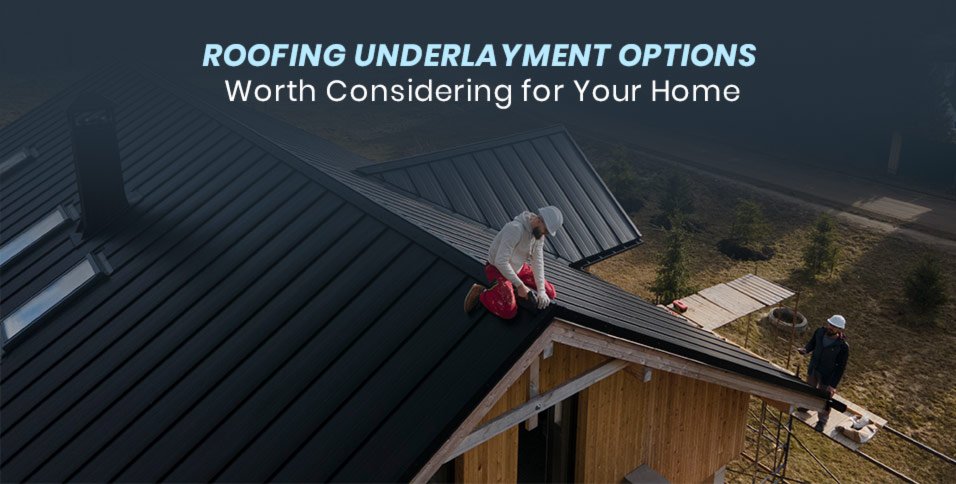
A durable roof depends on more than the visible outer material. The layer beneath shingles, metal panels, or other surfaces adds defense against rain, wind-driven moisture, and small defects. A suitable choice can support codes, climate demands, and long-term upkeep.
A qualified roof replacement service provider can assess the deck, slope, ventilation, and chosen surface before material selection. This article explains the main underlayment types, their practical strengths, and the roof conditions that may suit each option. Clear facts help homeowners evaluate the full roof system.
Asphalt-Saturated Felt Offers Familiar Protection
Asphalt-saturated felt has served as a common roof layer for decades. It comes in 15-pound or 30-pound grades, and the heavier form resists tears and foot traffic. Felt can suit basic asphalt-shingle projects where cost control and standard water resistance remain priorities. This material has limits in wet or windy conditions. Long exposure before the final surface goes down may cause wrinkles, tears, or moisture absorption. Crews must secure it well and cover it promptly to preserve a smooth base.
Synthetic Sheets Add Strength and Low Weight
Synthetic underlayment uses engineered polymers to create a light, durable sheet. Large rolls cover broad areas with fewer seams, while a textured face may improve crew traction. It also resists tears, water absorption, and surface wrinkles.
Key benefits may include:
- High tear resistance across exposed roof decks
- Light rolls that place less strain on crews
- Clear layout marks for accurate fastener placement
- Better resistance to brief weather exposure
Product ratings vary, so the roof type and manufacturer rules still matter. Some synthetic sheets have lower vapor permeability, which can affect how trapped moisture leaves the assembly. Proper attic ventilation and deck review remain essential before final selection.
Peel-and-Stick Membranes Guard Leak-Prone Areas
Self-adhered membranes form a tight seal around the roof deck and fasteners. Their rubberized asphalt or modified bitumen layer can add strong water defense at vulnerable sections. Contractors often place this barrier at eaves, valleys, roof-to-wall joints, chimneys, and skylights.
Common target areas include:
- Valleys that carry concentrated rainwater
- Eaves at risk from backed-up water
- Roof penetrations around vents and pipes
- Low-slope sections with slower drainage
Full-deck use can suit roofs exposed to severe rain or wind, yet the assembly must still allow moisture control. Removal may require added labor because the membrane bonds firmly to the deck. Material compatibility also deserves review beneath metal or specialty surfaces.
Choose Based on Climate and Roof Details
Local rain, wind, heat, roof pitch, and tree cover can shape the best choice. A roof replacement service provider should also check deck condition, fastener needs, code rules, and warranty terms before work begins. The lowest material cost may offer poor value when it fails to suit the home’s exposure or design. Homes in storm-prone areas may benefit from stronger synthetic sheets or self-adhered membranes at vulnerable sections. Proper material selection also helps protect roof edges, valleys, and penetrations from moisture damage.
Underlayment serves as a quiet but essential defense beneath the visible roof surface. Felt, synthetic sheets, and self-adhered membranes serve distinct roof conditions, budgets, and moisture risks. The right choice should support the surface above it and the ventilation plan below it. A detailed roof assessment can reveal where stronger water barriers or heat-rated products deserve priority. Product approval, deck quality, local weather, and skilled placement all affect long-term results. Careful material selection gives the entire roof system a sound base for years of dependable protection.