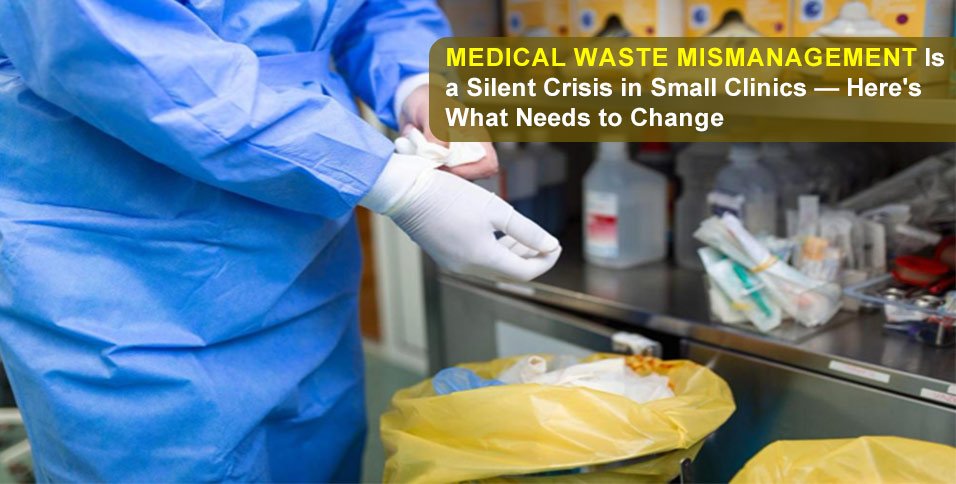
Healthcare facilities are supposed to keep people healthy. When they do not handle medical waste correctly, it can cause big problems for patients, staff, and the environment. Big hospitals usually have teams and systems to deal with waste, but small clinics often struggle to keep up with the rules and with how to get rid of waste. This has become a problem that people do not talk about much.
The problem does not always make the news. It can have serious consequences. We need to make some changes like training staff and having systems in place to deal with this problem.
Why Small Clinics Face Greater Challenges
Small clinics are different from big hospitals. They have budgets, fewer staff, and fewer people to help with administrative tasks. The staff has to do many things, like take care of patients, schedule appointments, and handle the business side of things.
In these situations, waste management can be forgotten. The staff might not get training on how to throw away waste properly, and the people in charge might be too busy with other things to worry about it. Over time, this can lead to greater problems.
Big hospitals usually have teams to deal with waste and make sure they are following the rules. Small clinics, on the other hand, might only have a few people to handle waste. Mistakes can happen without rules and regular checks. This creates an environment where improper waste disposal can continue without being noticed until something goes wrong.
The Hidden Dangers of Improper Medical Waste Disposal
Medical waste is not the same as trash. It can have pathogens, leftover medicines, and sharp objects that can hurt people. When this waste is not disposed of correctly, it can cause problems that go beyond the clinic.
Healthcare professionals are also at risk of getting hurt by needles and can be exposed to different harsh materials. Whereas patients and visitors might also be affected if waste is not thrown away or stored properly.
The environment is also at risk. Chemicals and medicines that are not disposed of properly can pollute the soil and water. Even small mistakes can add up and cause big problems over time.
These risks show why proper medical waste management is important. It is not about following the rules; it is about keeping people and the environment safe.
The Rules Are Getting Stricter
The rules about waste have changed a lot over the past ten years. The government and environmental agencies are paying attention to how waste is handled, stored, and thrown away.
For clinics, it can be hard to keep up with these rules. They can be different from state to state. It can be confusing. If clinics do not follow the rules, they can get in trouble and have to pay fines while also damaging their reputation.
Kevin Webber, the CEO of TriHaz Solutions, says,
“Most small clinics aren’t cutting corners on purpose; they’re just overwhelmed, and compliance training gets pushed to the bottom of the pile until an inspector shows up. The regulatory environment has tightened considerably, and what used to be a warning letter is now triggering fines that genuinely threaten a practice’s financial stability. Getting waste management right isn’t a back-office chore anymore; it’s part of keeping the doors open.”
Waste Segregation Is Important
Waste segregation is the foundation of a good medical waste program. However, it is often where mistakes happen.
Different types of waste need to be handled properly, and they should never be mixed together. When segregation protocols are not followed, it can increase costs and risks.
Clear labels and color-coded containers can help reduce confusion. Waste stations should be easy to access, and visible reminders can help staff remember to follow the rules.
Small improvements in segregation practices can have an impact. They can improve safety and reduce costs, plus make it easier to follow the rules.
Technology Can Help
Technology is becoming more important in healthcare compliance, including waste management. Digital tracking systems, automated reporting tools and compliance software can help clinics monitor waste handling effectively.
These systems can help clinics document waste collection, maintain records, and track requirements in real time. They can also reduce paperwork. Provide more visibility into compliance activities.
Technology can also help with accountability. Managers can quickly identify problems, review documentation, and verify that procedures are being followed correctly. Automation can make a big difference for clinics with limited resources.
While technology is not the solution, it can help clinics create more reliable and efficient waste management programs.
Partnering With Qualified Waste Management Providers
Most small healthcare facilities get lots of benefits when they work with medical waste disposal companies. They are usually third parties. These providers help in offering expertise and training support. Moreover, they also provide collection services and compliance guidance that clinics often do not have internally.
A trustworthy waste management partner helps healthcare facilities ensure that they transport and dispose of regulated waste according to the rules. They also give updated information about changing rules and industry best practices. It will support the industry to stay on top.
Choosing the provider requires careful evaluation. Clinics should look for companies with compliance records, transparent documentation processes, and experience in serving healthcare organizations of similar size.
Building a Culture of Responsibility
The people in charge have a part to play in setting the tone. When the owners and managers of clinics show that they really care about doing things, the employees are more likely to do the same.
The staff should feel okay about speaking up if they have concerns or think they have found a problem. This is important because we need to find problems and fix them before they get out of hand if we want to keep getting better.
A strong culture of responsibility can change the way we think about waste management. It can make it a normal part of what we do every day rather than just a task we have to do. Waste management becomes something we all work on together as a team to make sure we are doing it right.
Conclusion
Medical waste is usually a problem for small clinics. They do not have a lot of resources. They have to deal with a lot of demands and other important things that need to be done. Medical waste is too important to ignore.
We need to make sure that medical waste is handled properly so everyone is protected. This can be done by giving people training and making sure that waste is sorted correctly using new technology and working with companies that get rid of waste. All of these things can help make a difference.
The rules for waste are always changing. So clinics that make sure they are following the rules now will be in a position to be successful in the long run. Managing medical waste is not something that can be done halfway. It is a part of giving people safe and responsible healthcare and taking care of the environment.
Also Read: Training Medical Teams for Smarter Surgical Waste Management