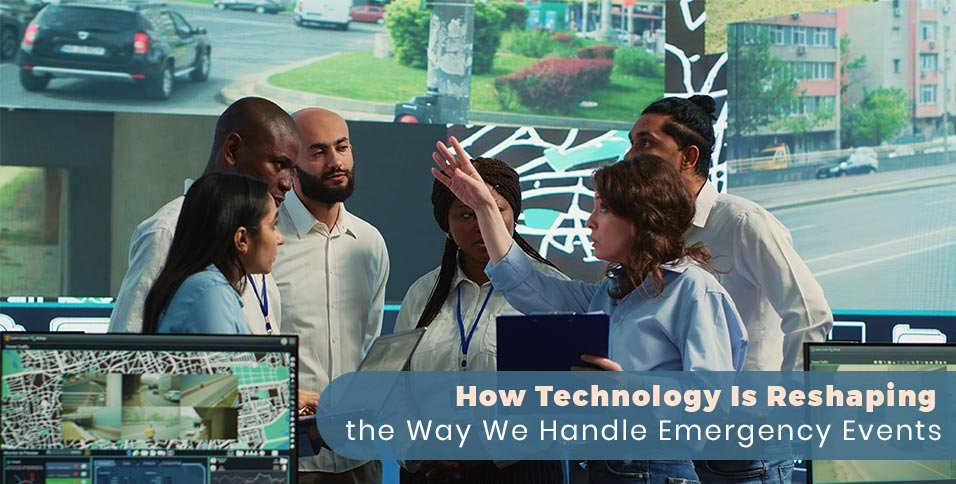
Emergency response once leaned on paper binders, wall charts, and radio traffic passed from one person to the next. That approach still exists, yet stress exposes its weak points quickly. Current systems help teams spot danger sooner, confirm facts faster, and guide people with greater precision. For schools, clinics, hotels, and retail sites, those gains matter because a short delay can raise injury risk, disrupt care, and deepen confusion after the first alarm.
Signal Speed
Response now begins before anyone reaches a phone. Connected detectors, mobile alerts, and mapped action steps shorten the gap between warning and movement. Platforms like Firefly sit within a broader shift where teams bring floor plans, contact routes, alert paths, and assigned duties into one view. Staff can check what happened, where it started, and who must act without piecing together scattered messages during a tense moment.
Shared Visibility
Pressure changes how people hear, remember, and relay information. A shared operating picture reduces that strain. Site leaders, dispatch staff, and frontline workers can review the same details at once, which lowers the chance of mixed instructions. It also trims duplicate calls. When everyone sees location data, task status, and live updates, handoffs become cleaner and quicker.
Precise Location
Fast notice means less if responders still search the wrong area. Older tools may identify a building but miss the room, stairwell, entrance, or utility space involved. New mapping systems narrow the target with better accuracy. That matters on large campuses, in busy treatment centers, and in multi-level properties where seconds disappear through wrong turns and locked access points.
Indoor mapping adds practical detail when visibility drops and stress rises. Teams can review exits, entry routes, equipment points, and likely travel paths before arrival. People inside may also report smoke spread, blocked corridors, or crowd movement through connected tools. That common picture cuts the guesswork. Leaders can then direct others away from danger instead of sending them into a hazardous hallway.
Quieter Triage
Early triage improves when teams organize incoming reports by source, timing, and severity. That structure helps teams separate rumor from verified information. Automated rules can elevate urgent incidents for immediate review while lower-risk reports wait briefly. Attention stays on choices that need human judgment. Fewer noisy inputs mean more mental bandwidth for directing aid, securing access, and protecting vulnerable people.
Faster Warnings
Warning methods have changed sharply over the past few years. Instead of one loudspeaker or a slow phone chain, organizations can send text messages, voice calls, desktop alerts, and visual notices together. Broader reach supports quicker protective action. People receive guidance through devices already near them, which matters when a site must shelter, evacuate, lock doors, or reroute visitors quickly.
Training From Records
Recorded event data turns response work into something teams can measure and improve. After a drill or real incident, managers can review alert timing, delivery rates, arrival patterns, and missed tasks. Weak points become easier to identify. Procedure changes can then rest on evidence rather than instinct. Over time, repeated review supports steadier execution and stronger trust across the organization.
Cross-Team Coordination
Emergency work rarely belongs to one office or title. Security staff, facilities crews, communications leads, clinicians, and executives often share the burden. Connected systems help those groups follow aligned procedures rather than separate notes. Outside responders benefit as well. Better coordination reduces overlap, shortens briefings, and limits friction when several teams must manage the same event at once.
Access For Every Role
Useful tools must fit the people expected to use them under pressure. A nurse, teacher, hotel supervisor, or store manager needs clear instructions without extra clutter. Mobile access helps because many workers are moving, not sitting at a desk. Role-based permissions matter too. People should receive relevant details while sensitive information stays limited, which supports privacy, clarity, and quicker action.
Recovery Starts Earlier
Response does not end when the first danger passes. Current systems can support roll calls, welfare checks, asset tracking, and follow-up communication soon after the peak threat declines. Those steps help leaders account for people and restore operations with less disorder. Early recovery planning also reduces downtime, a serious concern for schools, care facilities, and customer-facing businesses.
Conclusion
Technology is changing emergency management by improving timing, visibility, location accuracy, communication, and review afterwards. The strongest results come from bringing those parts together into one practical process. People still make the critical decisions, yet better systems give them clearer facts during intense conditions. As risks become harder to predict, organizations that modernize response procedures stand better prepared to protect lives.