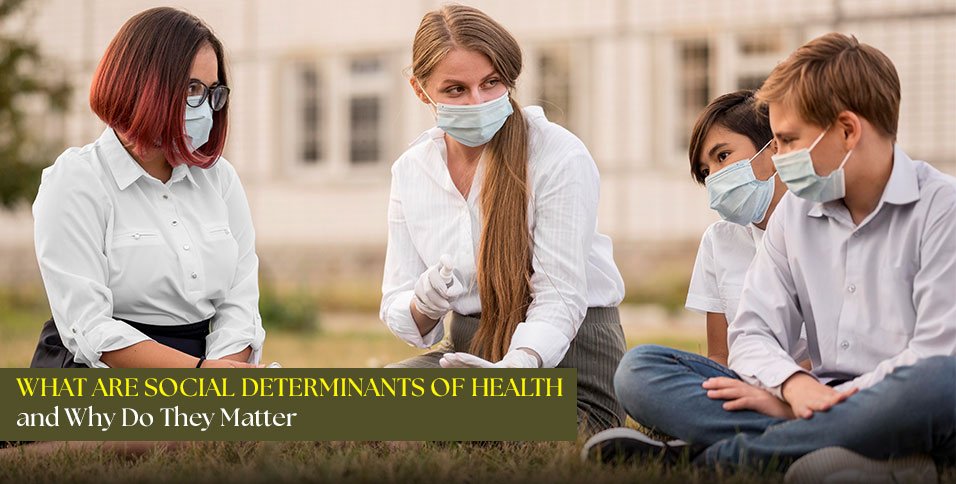
Medical care shapes only part of a person’s outcome. Daily living conditions often set the stage long before symptoms appear or treatment begins. Income, housing, food access, schooling, transport, and social support affect exposure to risk, disease control, and recovery. These pressures also influence spending across hospitals, health plans, employers, and public programs. Care becomes more effective when leaders see how ordinary circumstances can either protect the body or steadily wear it down.
Daily Conditions
A clinic visit captures one moment, yet health is shaped across the other twenty-three hours of the day. Rent strain, unsafe streets, missed buses, and empty refrigerators all leave a physical mark. For readers asking what are social determinants of health, the phrase describes nonmedical conditions that affect disease risk, care access, healing, and long-term stability across entire communities, not just single patients.
Five Areas
Public health groups often sort these influences into five broad categories. They include economic stability, education access, healthcare quality, neighborhood conditions, and social context. Each area affects the body through different pathways, from chronic stress hormones to missed preventive services. Two people may share the same diagnosis yet face very different futures because one has support, safety, transportation, and steady access to food, while the other does not.
Money and Housing
Financial strain often appears first in the clinical record. A family choosing between rent, groceries, and prescriptions is more likely to delay treatment or split doses. Food insecurity can worsen blood sugar control, reduce immune response, and increase emergency visits. Housing instability adds sleep disruption, stress exposure, and trouble storing medications safely. Even a short loss of income can interrupt follow-up care and push manageable illness into a medical crisis.
Education and Care
Education affects health in practical, measurable ways. Reading ability shapes how well someone follows dosing instructions, signs consent forms, schedules visits, or compares coverage choices. Stronger health literacy often leads to earlier symptom recognition and clearer conversations with clinicians. Access matters too. Insurance status, nearby clinics, interpreter services, and respectful treatment all influence whether a person seeks help early or waits until symptoms become severe.
Place and Transit
Place matters because the environment affects the body every day. A neighborhood without sidewalks, reliable pharmacies, grocery stores, shade, or clean air creates barriers before treatment even starts. Transportation problems add another burden. Missed rides can mean canceled scans, delayed refills, and lost follow-up visits. Long travel times also reduce routine care, which raises the chance that silent disease will advance before anyone catches it.
Social Support
Human connection can protect physical health as well as emotional stability. Support from relatives, friends, faith groups, or coworkers may lower stress, improve medication adherence, and help someone keep appointments. Isolation often brings the opposite pattern. Loneliness has been linked to depression, poor sleep quality, and slower recovery after illness. Safe relationships also make it easier for people to ask questions and act on care plans at home.
Why Data Counts
Reliable data helps organizations move beyond guesswork. Screening can reveal food insecurity, unstable housing, transport barriers, or social isolation before missed care becomes a costly admission. Combined results also show patterns across regions and member groups. That evidence supports better referral pathways, stronger outreach, and wiser use of limited funds. It also helps leaders judge whether an intervention truly reduced avoidable gaps or merely added administrative activity.
Pharmacies and Reach
Community pharmacies are often one of the most accessible contact points in healthcare. Many people visit a pharmacist more often than a primary care office, which creates repeated chances to notice barriers affecting treatment. National figures often cited in this discussion show that nearly 90 percent of Americans live within five miles of a community pharmacy. That reach can support screening, referral, follow-up, and documentation in places with fewer clinics.
Conclusion
Social conditions shape health long before a prescription is written or a scan is ordered. Income, education, housing, transportation, neighborhood safety, and supportive relationships influence who gets sick, who receives timely care, and who recovers fully. Health systems that measure these pressures can respond earlier and use resources more effectively. Better results depend on pairing clinical treatment with practical support so each person has a fair chance at lasting well-being.