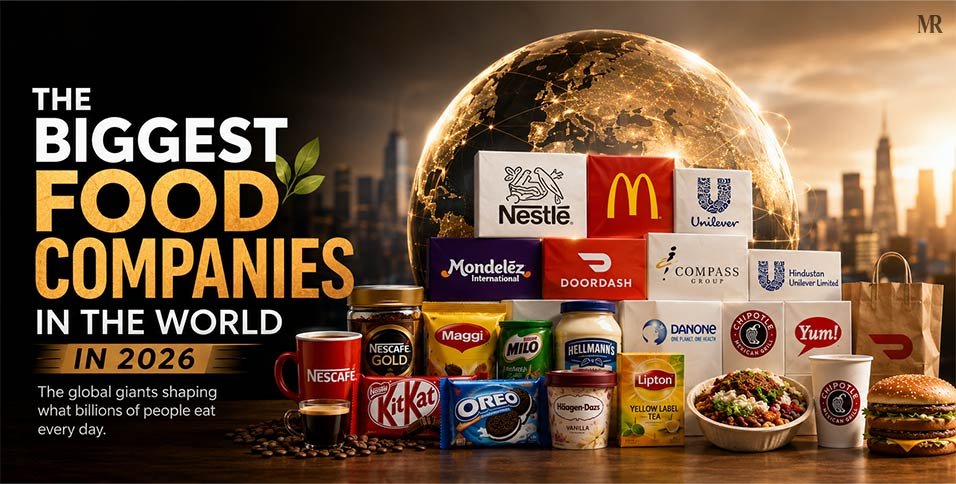
When people ask “what is the biggest food company in the world”, the answer depends on how you define “biggest.” Market capitalization tells you what investors think a company is worth. Revenue tells you how much money actually flows through the business. Neither number alone paints the full picture.
The following list ranks the 10 biggest food companies in the world primarily by market capitalization, revenue, and global influence.
It includes packaged food manufacturers, fast food restaurant chains, food service firms, and food delivery platforms because all of them directly shape how billions of people eat every day.
So join us in this yummy adventure to discover the largest food industry companies!
List Of The 10 Biggest Food Companies in the World In 2026
| Company | Market Cap | Country | Segment |
| 1. Nestlé | ~$238.5B | Switzerland | Packaged Food & Beverages |
| 2. McDonald’s | ~$175.7B | USA | Fast Food / QSR |
| 3. Unilever | ~$133.1B | UK | Packaged Food & Consumer Goods |
| 4. DoorDash | ~$83.6B | USA | Food Delivery |
| 5. Mondelēz International | ~$77.7B | USA | Snacks & Confectionery |
| 6. Compass Group | ~$51.0B | UK | Food Services |
| 7. Hindustan Unilever | ~$48B | India | Packaged Food & Consumer Goods |
| 8. JBS | ~$46.2B | Netherlands | Protein & Food Products |
| 9. Danone | ~$44.8B | France | Dairy, Water & Nutrition |
| 10. Chipotle Mexican Grill | ~$42.3B | USA | Fast Casual Restaurant |
Market cap figures of the biggest food companies in the world mentioned here reflect September 2026 valuations. Revenue figures below are from official FY2025 earnings.
1. Nestlé — The Biggest Food Company in the World
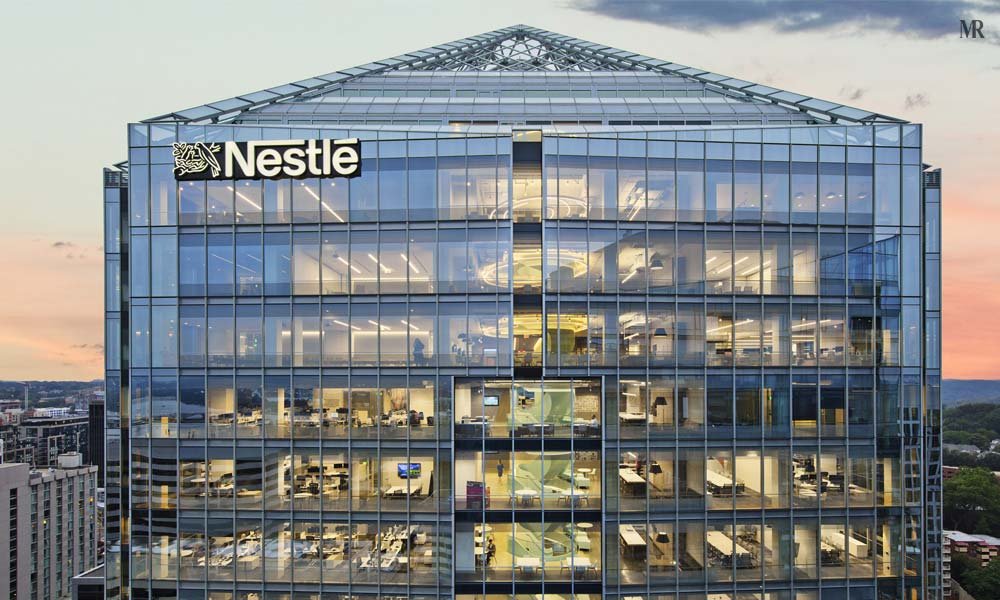
● Headquarters: Vevey, Switzerland
● Founded: 1866
● CEO: Philipp Navratil (took over in 2025)
● Employees: ~271,000
● Presence: 185 countries
● Popular Brands: KitKat, Nescafé, Nespresso, Maggi, Purina, Milo, Nestea, Häagen-Dazs, Perrier, S.Pellegrino
Why is Nestlé the Biggest Food Company in the World?
Nestlé is the biggest food company in the world by market capitalization, built on more than 150 years of brand-building and global expansion across six continents.
Nestlé doesn’t just sell food. It operates across coffee, petcare, nutrition, confectionery, dairy, and water. Its scale is almost unmatched: e-commerce alone grew 13.5% in 2025 and now accounts for 20.5% of total Group sales.
The company’s so-called “billionaire brands” (brands generating over CHF 1 billion in sales annually) saw their market share turn positive in 2025, the best performance in over a decade.
Total 2025 revenue reached CHF 89.5 billion (~$108.5B USD).
Growth Drivers in 2026
● Portfolio simplification: Nestlé is focusing on four core businesses, including Coffee, Petcare, Nutrition, and Food & Snacks, which together represent ~70% of sales.
● Cost savings: The “Fuel for Growth” program delivered CHF 1.1 billion in savings in 2025 and CHF 350 million ahead of plan.
● Workforce restructuring: ~16,000 total headcount reductions planned by the end of 2027, including ~12,000 white-collar professionals.
● E-commerce: 13.5% organic growth in online sales, now 20.5% of Group revenue.
● Infant formula recall: A global recall of baby formula products launched in January 2026 affected 2026 sales growth, with Nestlé reporting an approximately 90-basis-point impact on organic growth in Q1 and a 30-basis-point impact in Q2.
Interesting Fact: Nestlé sells products in 185 countries worldwide.
2. McDonald’s — The Biggest Fast Food Company in the World
● Headquarters: Chicago, Illinois, USA
● Founded: 1940 (incorporated 1965)
● CEO: Chris Kempczinski
● Employees: ~150,000 direct; millions more through franchises
● Locations: 45,356 at year-end 2025
● Popular Menu Items: Big Mac, McChicken, Egg McMuffin, McNuggets, Filet-O-Fish, McFlurry, and seasonal specials like the Grinch Meal
What makes McDonald’s the Biggest Fast Food Company?
McDonald’s is the top fast food company in the world and arguably the most recognized restaurant brand on the planet, serving about 70 million customers every day.
McDonald’s runs a nearly 95% franchised model, meaning most of its locations are owned and operated by local franchisees, not the corporation. This asset-light structure delivers outsized profit margins. Its operating margin in 2025 sat at approximately 46.1%, making it one of the most profitable food businesses in the world.
In 2025, McDonald’s revenue hit $26.9 billion, solidifying its reputation as one of the biggest food companies in the world.
Growth Drivers in 2026
● Expansion: McDonald’s plans 2,600 new restaurant openings in 2026, aiming for 50,000 global units in 2028.
● Digital & loyalty: The MyMcDonald’s Rewards program continues to drive repeat visits and higher average checks.
● Value strategy: Its “best value” push has visibly improved traffic and customer sentiment scores.
● International growth: Despite softness in China, International Licensed Markets delivered 4.6% comparable sales growth for the full year.
Interesting Fact: McDonald’s systemwide sales alone reached $139.4 billion in 2025.
3. Unilever — A Global Packaged Food and Consumer Goods Giant
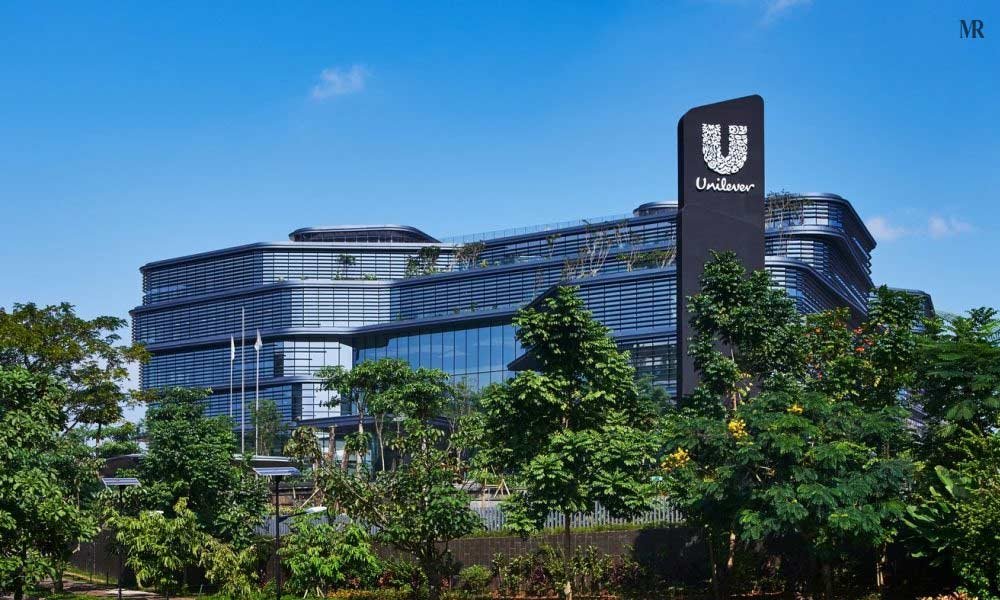
● Headquarters: London, UK
● Founded: 1929
● CEO: Fernando Fernandez
● Employees: ~96,000+
● Markets: 190+ countries
● Popular Brands (Food & Beverage): Knorr, Hellmann’s, Lipton, Marmite
Why Is Unilever One of the Largest Food Companies?
Unilever is one of the biggest food and beverage companies in the world and a dominant force in consumer goods, covering everything from mayonnaise to tea across 190+ countries.
One of Unilever’s biggest strengths is its “Power Brands” strategy. Around 78% of the company’s turnover comes from its biggest brands, which gives it strong pricing power and global recognition.
In 2025, the company completed the demerger of its Ice Cream business (which included Magnum, Ben & Jerry‘s, and Wall’s), simplifying its portfolio to focus on four core business groups: Beauty & Wellbeing, Personal Care, Home Care, and Foods. Revenue for 2025 reached €50.5 billion (~$55B USD), ranking Unilever among the top 3 biggest food companies in the world.
Growth Drivers in 2026
● Volume recovery: Four consecutive quarters of positive underlying volume growth in 2025.
● Foods portfolio refinement: Ongoing disposals of non-core local food brands to focus on high-margin, high-growth categories.
● Guidance: Full-year 2026 underlying sales growth expected at 4–6%, with at least 2% volume growth.
Interesting Fact: Unilever estimates its products are used 2.5 billion times a day worldwide — that’s roughly one use for every three people on Earth, every single day.
4. Mondelēz International — The World’s Largest Snack Company
● Headquarters: Chicago, Illinois, USA
● Founded: 2012 (spun off from Kraft Foods)
● CEO: Dirk Van de Put
● Employees: ~90,000
● Markets: 150+ countries
● Popular Brands: Oreo, Cadbury Dairy Milk, Milka, Toblerone, Ritz, belVita, Chips Ahoy!, Trident, LU
What Makes Mondelēz International One of the Biggest Food Companies?
Mondelēz became one of the biggest food companies in the world by dominating the global snack industry. It operates in the chocolate, biscuits, and baked snacks categories, backed by brands that have multi-generational consumer loyalty. In 2025, revenue hit $38.5 billion, with about 75.8% of it coming from outside the United States.
Mondelēz’s strong presence in emerging markets across Asia, Latin America, and Eastern Europe also gives it long-term growth potential as rising middle-class consumers spend more on packaged snacks and convenience foods.
Growth Drivers in 2026
● Cocoa cost relief: Cocoa prices have begun to ease significantly, falling back to early 2024 levels. Mondelēz expects to benefit from this in 2027+ as current supply contracts roll off.
● Volume recovery: Volume/mix declined 3.7% in 2025 due to price-driven demand elasticity; the company expects volumes to recover as pricing normalizes.
● Emerging markets: Continued investment in high-growth markets across Asia and Latin America.
● Free cash flow guidance: ~$3 billion expected in 2026.
Interesting Fact: Mondelēz holds the #1 global position in biscuits.
5. DoorDash — A Leading Food Delivery Platform
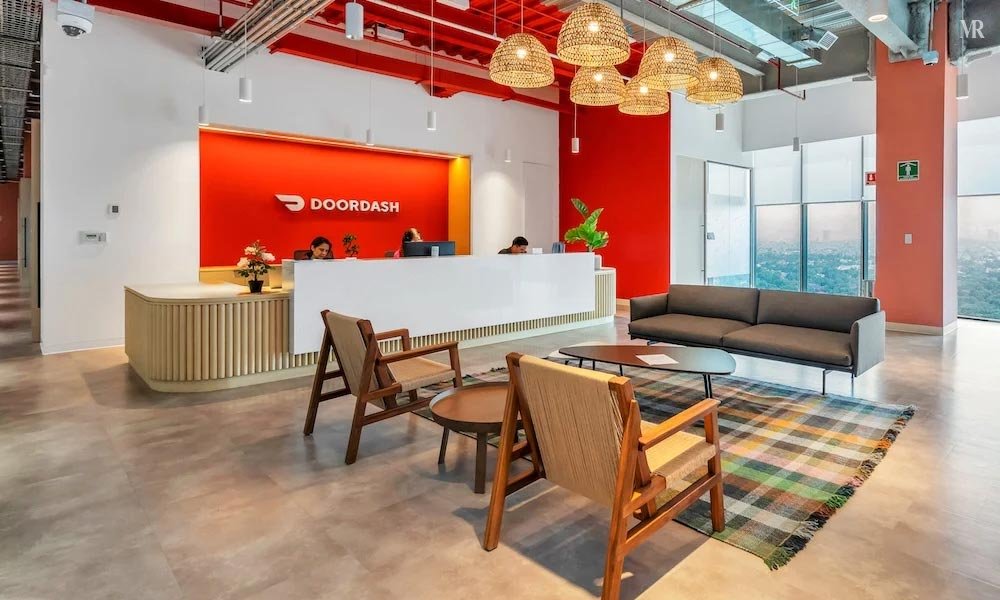
● Headquarters: San Francisco, California, USA
● Founded: 2013
● CEO: Tony Xu
● Members: 35M+ DashPass/Wolt+/Deliveroo Plus subscribers
● Countries: 40+
● Services: Restaurant delivery, grocery and retail delivery, DashPass subscription, Wolt (Europe/international), Deliveroo (UK/international)
What Makes DoorDash the Biggest Food Delivery Company?
DoorDash isn’t a traditional food company. It doesn’t grow, process, or cook anything. What it does is connect tens of millions of consumers to local restaurants, grocery stores, and retailers through its delivery marketplace. And at its current scale, it qualifies as one of the biggest food companies by market cap.
DoorDash’s Q4 2025 revenue grew 38% year-over-year to $4.0 billion, largely boosted by its acquisition of Deliveroo. For full-year 2025, revenue hit ~$13.7 billion, with roughly 3.2 billion total orders processed globally. At the end of 2025, the platform had over 56 million monthly active users globally.
In 2025, DoorDash generated nearly $75 billion in sales for local merchants across 40+ countries and over $20 billion in earnings for Dashers (delivery workers).
Growth Drivers in 2026
● Grocery & retail expansion: 30% of U.S. MAUs used grocery/retail categories in December 2025.
● AI & autonomous delivery: Active investment in self-driving delivery technology.
● Global tech platform: Building a unified tech stack across DoorDash, Wolt, and Deliveroo.
Interesting Fact: DoorDash surpassed 10 billion lifetime orders globally in Q2 2025 in less than 12 years after its founding.
6. Compass Group — The World’s Largest Contract Food Service Company
● Headquarters: London, UK
● Founded: 1941
● CEO: Dominic Blakemore
● Employees: 590,000+
● Countries: 25+
● Services Offered: Corporate dining, hospital catering, school meals, stadium food, offshore and remote site catering (e.g., oil rigs, military camps), healthcare nutrition
Why Is Compass Group the Biggest Food Service Company?
Compass Group is the world’s biggest food service company, and most people have never heard of it. Unlike restaurant chains, Compass doesn’t rely on walk-in customers. Instead, it wins long-term institutional contracts that create stable recurring revenue. It provides food services to corporations, schools, hospitals, sports stadiums, military bases, and more, across 25+ countries. Even if many consumers don’t recognize the Compass name, there’s a good chance they’ve eaten food prepared by the company at school, work, or an event venue.
In 2025, Compass Group reached $46.1 billion in revenue, proving why it belongs on the list of the biggest food companies in the world in 2026.
Growth Drivers in 2026
● Healthcare and education sectors: Ongoing penetration of high-margin institutional contracts.
● Outsourcing trend: More organizations are outsourcing food services, expanding Compass’s addressable market.
● Tech-enabled efficiency: Digital tools for procurement, menu planning, and waste reduction.
● Strong cash generation: The balance sheet supports continued investment and shareholder returns.
Interesting Fact: Compass Group feeds more people per day than the entire population of several small countries. Its 590,000+ employees serve roughly 5.5 billion meals a year globally, making it one of the biggest food companies in the world.
7. Hindustan Unilever (HUL) — India’s Biggest FMCG Company
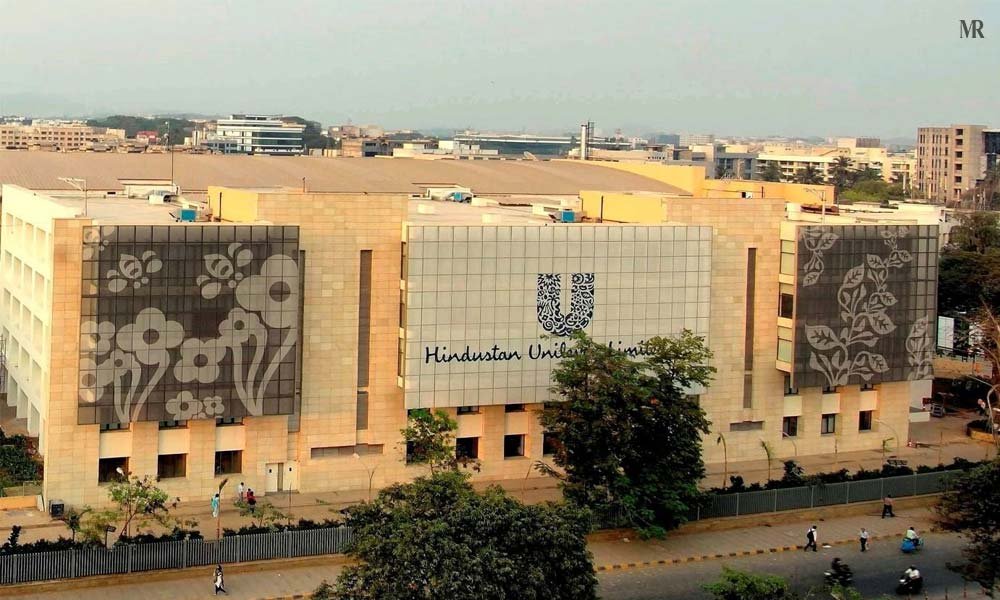
● Headquarters: Mumbai, India
● Founded: 1933
● CEO: Priya Nair
● Employees: ~17,500 employees and workers
● Markets: Pan-India with exports
● Popular Brands (Food & Beverage): Brooke Bond, Kissan (ketchup, jams), Horlicks, Boost, Kwality Wall’s ice cream
Why is Hindustan Unilever One of the Biggest Food Companies in the World?
Hindustan Unilever is the Indian subsidiary of Unilever and the largest fast-moving consumer goods (FMCG) company in India. It’s a separate publicly listed company on Indian stock exchanges and one of the most valuable Indian brands.
HUL’s presence in Indian households is staggering since its products reach over 9 out of 10 Indian homes. While it competes across beauty, home care, and personal care, its food and beverage portfolio covers tea (Brooke Bond, Taj Mahal), packaged foods (Kissan, Knorr), and nutrition drinks (Horlicks, Boost).
What makes HUL especially powerful is distribution. Its products are sold across millions of retail outlets ranging from major supermarkets to tiny neighborhood stores in rural villages.
Growth Drivers in 2026
● Premiumization: Moving product lines upmarket to capture India’s expanding affluent consumer segment.
● Digital & e-commerce: Growing direct-to-consumer channels and modern trade.
● Rural market recovery: As rural income rises, HUL benefits from higher consumer spending in non-urban India.
● Portfolio expansion: Strategic acquisitions like Minimalist (premium skincare), which strengthen HUL’s long-term brand pipeline.
Interesting Fact: HUL has more than 90 years of presence in India, and its brands reach 9 out of 10 Indian households.
8. JBS — The World’s Largest Protein Company
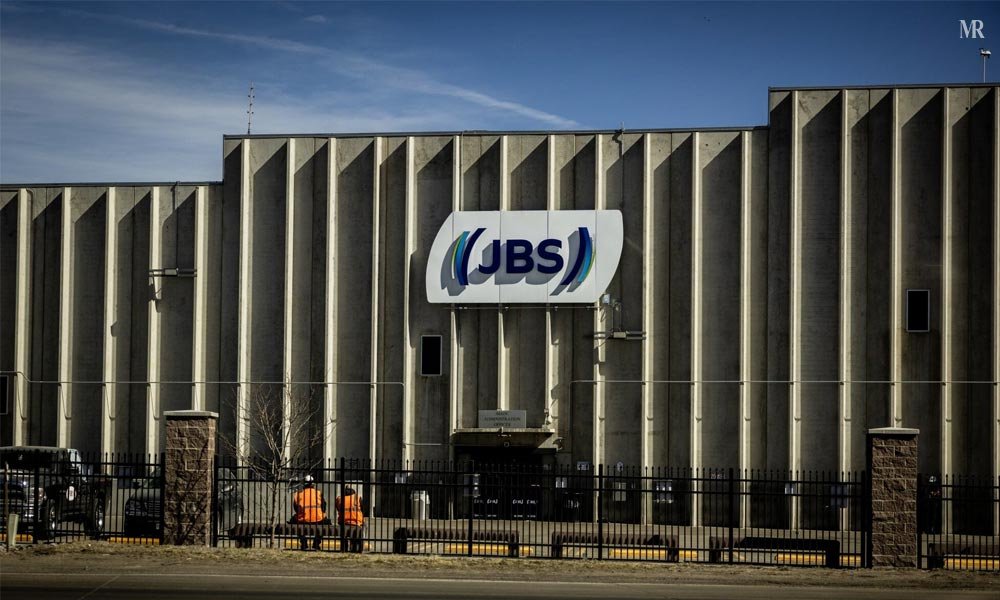
● Headquarters: Amstelveen, Netherlands
● Founded: 1953
● CEO: Gilberto Tomazoni
● Employees: ~280,000 team members
● Markets: More than 190 countries
● Popular Brands: Swift, Pilgrim’s Pride, Seara, Moy Park, Friboi, Primo, Just Bare
What Makes JBS One of the Biggest Food Companies?
JBS is a leading global food company and the world’s largest protein producer, with operations spanning beef, pork, poultry, lamb, fish, and prepared foods. Its diversified global platform gives it a major presence across multiple protein categories and markets.
In 2025, JBS reported record net revenue of US$86.2 billion, highlighting the scale of its global food business.
JBS completed its dual-listing structure in 2025, with JBS N.V. based in the Netherlands and shares listed on the New York Stock Exchange, while Brazilian investors can access the company through B3-listed BDRs.
Growth Drivers in 2026
● Protein diversification: JBS continues to operate across beef, pork, poultry, lamb, fish, and prepared foods.
● Global expansion: Its brands reach consumers in more than 190 countries.
● Brand portfolio: Swift, Seara, Pilgrim’s Pride, Moy Park, Friboi, Primo, and Just Bare provide exposure across multiple protein categories.
● Dual listing: Its NYSE and B3 structure expands access to international investors while maintaining its global operating platform.
Interesting Fact: JBS has more than 280,000 team members working across its global food production platform.
9. Danone — A World Leader in Health-Focused Food and Beverages
● Headquarters: Paris, France
● Founded: 1919
● CEO: Antoine de Saint-Affrique
● Employees: ~90,000
● Countries: 120+
● Popular Brands: Actimel, Activia, Alpro, Oikos, Danone, Aptamil, Nutrilon, Cow & Gate, Evian, Volvic, Silk (plant-based)
Why is Danone one of the Biggest Food and Beverage Companies?
Danone is best known for yogurt, but it operates across three categories: Essential Dairy & Plant-Based, Waters, and Specialized Nutrition (infant formula, medical nutrition). Its brands are built around a core idea of “food as health”.
Its plant-based brands (Alpro, Silk) continued growing as consumer interest in dairy alternatives holds firm. And in China and North Asia, Danone saw strong momentum, encouraging news given how important those markets are for infant nutrition long-term.
In 2025, Danone hit €27.3 billion (~$30.9B USD) in revenue, solidifying its position among the biggest food companies in the world.
Growth Drivers in 2026
● Specialized nutrition: Growing demand for infant nutrition and medical nutrition globally.
● Plant-based products: Alpro and Silk continue expanding in health-conscious markets.
● China and North Asia: Specialized Nutrition in China and Essential Dairy & Plant-Based products in Japan supported Danone’s Q1 2026 performance.
● Margin expansion: Operational efficiencies supported profit growth faster than sales.
Interesting Fact: The company achieved B Corp certification at a global level in 2025, becoming one of the largest B Corp-certified companies in the world.
10. Chipotle Mexican Grill — The Fast Casual Chain Rewriting Fast Food Rules
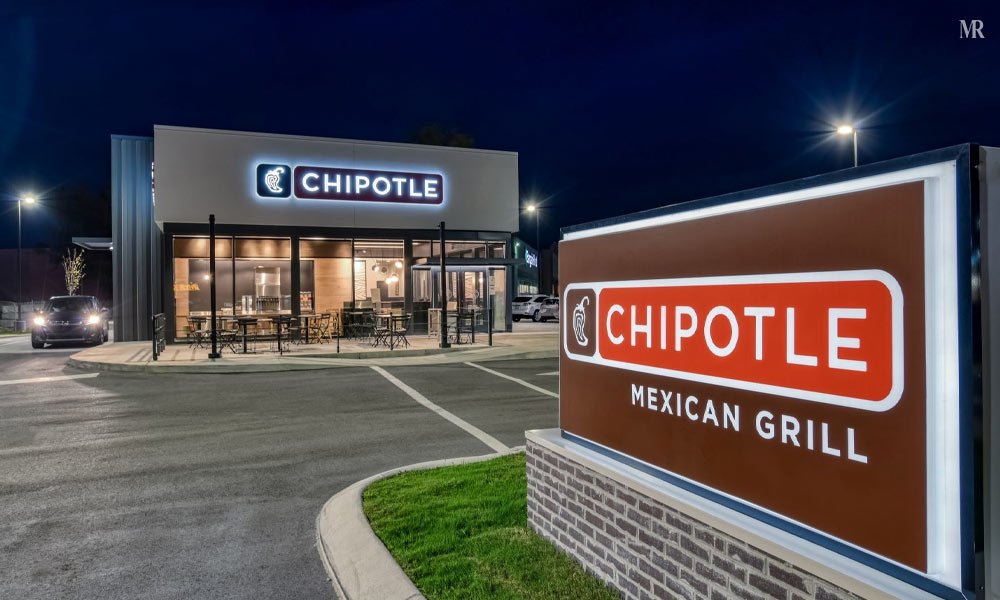
● Headquarters: Newport Beach, California, USA
● Founded: 1993
● CEO: Scott Boatwright
● Employees: ~110,000
● Restaurants: 4,056 (as of December 31, 2025)
● Popular Menu Items: Burrito bowls, burritos, tacos, quesadillas, guacamole, Barbacoa, Carnitas, Sofritas (plant-based), Birria (limited)
What makes Chipotle Mexican Grill the Largest Fast Casual Restaurant Chain?
Chipotle is the largest fast casual restaurant chain in the United States. It proved that people would pay a premium for fresh, customizable food in a fast-food format and then scaled that concept to 4,000+ locations globally.
Chipotle owns all of its locations (no franchise model), which gives it direct control over quality and direct exposure to costs. In 2025, revenue still grew 5.4% to $11.9 billion, driven by a record 334 new restaurant openings.
Growth Drivers in 2026
● “Recipe for Growth” strategy: Leaning into what differentiates Chipotle — fresh ingredients, no shortcuts.
● International expansion: Growing its licensed footprint outside the U.S.
● Chipotlane drive-through: 257 of its 334 new 2025 openings included a Chipotlane; these drive higher throughput and convenience.
● Transaction recovery: Comparable restaurant sales increased 2.2% in Q2 2026, including a 1.0% increase in transactions.
Interesting Fact: Chipotle uses about 100 million pounds of avocados every year to make its guacamole, making it one of the largest buyers of avocados in the entire United States.
Which Food Company Is the Biggest in the World?
Here’s a quick breakdown of the biggest food companies in the world by different metrics:
| Category | Winner |
| Biggest by market cap | Nestlé |
| Biggest by revenue among the companies ranked here | Nestlé |
| Biggest fast food company | McDonald’s |
| Biggest packaged food company | Nestlé |
| Biggest snack company | Mondelēz International |
| Biggest food delivery company | DoorDash |
| Biggest food service company | Compass Group |
| Biggest fast casual restaurant | Chipotle |
| Biggest food company in India | Hindustan Unilever |
| Biggest health-focused food company | Danone |
Conclusion
The biggest food companies in the world in 2026 aren’t just competing for shelf space. They’re competing for attention, data, and consumer trust.
Whether it’s Nestlé selling products in nearly every country on Earth, McDonald’s serving 70 million people daily, or DoorDash redefining how food reaches consumers, these companies influence what billions of people eat every single day. And as technology, health trends, and consumer habits continue evolving, the global food industry could look very different by 2030.
Which of these food giants surprised you the most? Share this ranking with fellow business and food industry enthusiasts!
FAQs
1. What is the biggest food company in the world by revenue?
Nestlé is currently the biggest food company in the world by revenue among the companies ranked in this article, generating roughly CHF 89.5 billion in FY2025 sales.
2. Which country has the most major food companies?
The United States has the most major food companies on this list, including McDonald’s, Mondelēz, DoorDash, and Chipotle.
3. What are the largest food processing companies?
Among the largest food processing and packaged food companies are Nestlé, Unilever, Mondelēz International, JBS, and Danone.
4. Which food company owns the most brands?
Nestlé has a broad global food and beverage portfolio, with more than 30 billionaire brands and products sold in 185 countries worldwide.
Gurushanth S Jatti