Homeowners often invest in high-quality outdoor furniture to create a comfortable, inviting outdoor space. From cushioned seating sets to durable wooden tables, these pieces are meant to enhance both relaxation and entertainment. However, exposure to the elements can quickly diminish their value. Sunlight, rain, and fluctuating temperatures all contribute to wear and tear, often sooner than expected. Without proper protection, even premium materials can fade, crack, or deteriorate within a few seasons.
Maintaining outdoor furniture is not just about appearance. It also helps preserve long-term value and reduce replacement costs. Many homeowners attempt to manage this with temporary solutions such as fitted covers or seasonal storage, but these methods require ongoing effort and do not always provide full protection. A more reliable approach involves creating a sheltered outdoor environment that consistently shields furniture. This is where professionally designed patio covers and awning systems become an essential part of modern home improvement strategies.
The Hidden Damage of UV Rays and Heat Exposure
Ultraviolet rays are one of the most damaging environmental factors for outdoor furniture. Continuous exposure to sunlight breaks down chemical bonds in materials such as plastic, fabric, and wood finishes. Over time, this results in fading, discoloration, and surface brittleness. Dark-colored fabrics lose their richness, while lighter materials may yellow or weaken. Heat intensifies this process by accelerating chemical reactions, further reducing the lifespan of these materials.
While removable furniture covers can offer temporary relief, they rarely provide full-day shielding, especially when furniture is in regular use. As a result, surfaces remain exposed during peak sunlight hours, when the greatest damage occurs. This ongoing exposure often leads homeowners to seek more reliable ways to manage sunlight across their outdoor spaces. Companies like Patio Cover Concepts & Awnings offer patio cover and awning options that help limit direct sunlight across the entire outdoor area. This broader coverage helps reduce material wear and extend the lifespan of outdoor furniture.
Moisture, Mildew, and the Risk of Structural Rot
Moisture poses a serious threat to outdoor furniture, especially in regions with frequent rain or high humidity. Water can seep into porous materials such as wood and fabric cushions, creating an environment where mold and mildew thrive. Once moisture becomes trapped, it can lead to unpleasant odors, discoloration, and surface damage. Even materials labeled as weather-resistant are not completely immune to long-term exposure.
Wood furniture is particularly vulnerable to rot when moisture penetrates its surface. Over time, fungal growth breaks down the wood’s internal structure, weakening its stability and appearance. Metal furniture is also at risk, as constant exposure to moisture can lead to rust and corrosion. By minimizing direct contact with rain and humidity, overhead coverage helps keep surfaces dry and significantly reduces the likelihood of long-term damage.
Temperature Regulation: Preserving Material Integrity
Outdoor furniture is constantly exposed to temperature fluctuations, especially in areas with intense sunlight during the day and cooler conditions at night. These changes cause materials to expand and contract repeatedly, leading to cracks, warping, and weakened joints. Over time, this stress reduces the structural integrity of furniture and shortens its lifespan.
Providing consistent shade helps regulate surface temperatures and limits extreme heat buildup. When furniture remains in a cooler, more stable environment, finishes last longer, and materials retain their original strength. This controlled setting not only protects furniture but also enhances homeowners’ comfort. A shaded outdoor space becomes more usable throughout the day, allowing people to enjoy their investment without unnecessary stress.
Protection from Debris, Pollen, and Storm Impact
Outdoor furniture is constantly exposed to airborne particles, including dust, leaves, and pollen. These elements settle on surfaces and can lead to staining or gradual abrasion. Over time, buildup becomes harder to remove and may damage finishes, especially on wood and coated metals. Regular cleaning helps, but it does not prevent ongoing exposure.
Severe weather introduces additional risks. Strong winds can carry debris that scratches or dents surfaces, while heavy rain can push dirt into fabric fibers. A well-designed overhead cover acts as a protective barrier, reducing the amount of debris that reaches furniture. This added layer of protection keeps surfaces cleaner and minimizes the need for frequent maintenance.
Comparing Patio Cover Options: Pergolas vs. Solid Covers vs. Awnings
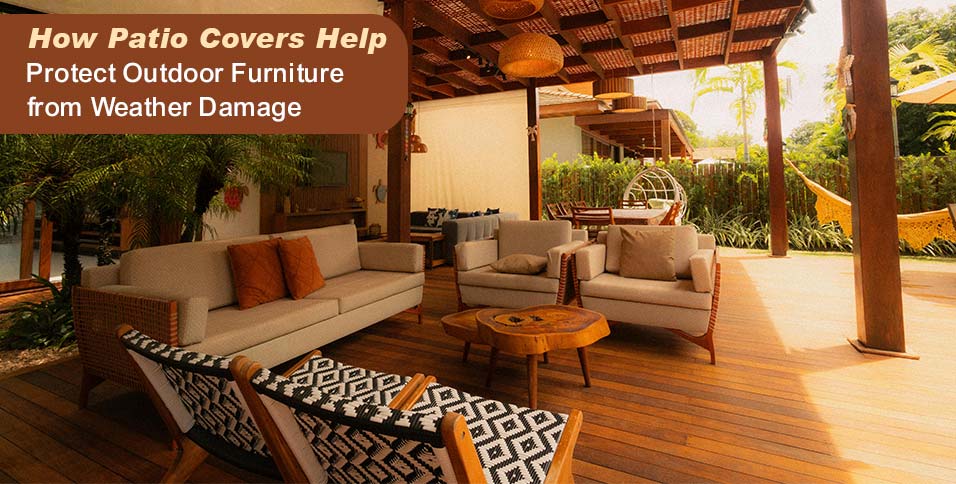
Different types of patio covers offer varying levels of protection and functionality. Pergolas provide partial shade and enhance the visual appeal of an outdoor space, while allowing sunlight and rain to pass through. This makes them better suited to aesthetics than to full protection.
Solid patio covers offer the highest level of defense against both sun and rain. They create a fully sheltered area that keeps furniture dry and protected year-round. Awnings, whether retractable or fixed, offer flexibility. Homeowners can adjust coverage based on weather conditions, making it a practical option for those who want both protection and control over sunlight exposure.
Maintenance Checklist for Outdoor Furniture Longevity
Routine maintenance plays a key role in extending the life of outdoor furniture. Regularly cleaning surfaces removes dirt, pollen, and moisture that can lead to long-term damage. Using mild cleaning solutions helps preserve finishes without causing additional wear.
It is also important to inspect furniture for early signs of damage. Rust, fading, and mildew should be addressed quickly to prevent further deterioration. Applying protective coatings or sealants can strengthen resistance to environmental factors. When combined with overhead coverage, these steps create a comprehensive approach to maintaining outdoor furniture in good condition.
Creating a Low-Maintenance Outdoor Living Space
A covered patio significantly reduces the effort required to maintain outdoor furniture. With less exposure to sun, rain, and debris, homeowners spend less time cleaning and repairing their furniture. This allows for a more consistent and hassle-free outdoor experience. It also helps reduce the need for frequent replacements, making outdoor upkeep more cost-effective over time.
In addition, a sheltered space makes it easier to leave furniture in place year-round. There is less need for seasonal storage or constant repositioning. The result is a functional outdoor area that remains ready for use at any time, offering both convenience and long-term value for homeowners.