Have you ever thought about choosing a career that almost guarantees work no matter what the economy does? While many industries rise and fall, healthcare keeps moving, often faster than before. It offers stability, purpose, and a clear path forward, but it also demands commitment and focus. In this blog, we will share why a high-demand healthcare career makes sense today and how you can approach it with clarity.
Demand That Does Not Slow Down
Across the U.S., healthcare systems are under steady pressure. An aging population, longer life expectancy, and a rise in chronic conditions have created a constant need for trained professionals. Even during economic slowdowns, hospitals, clinics, and care centers continue hiring because patient care cannot pause.
Recent years made this even more visible. The pandemic exposed gaps in staffing, and many facilities are still working to fill those roles. Nurses, technicians, therapists, and support staff remain in short supply, which means new entrants into the field are stepping into a space that actively needs them.
This demand changes how careers in healthcare work. Instead of competing for limited openings, you are more likely to choose from multiple opportunities once trained. That shift alone makes the field stand out when compared to industries where job searches stretch for months.
Multiple Entry Points With Clear Paths
One of the strongest advantages of healthcare careers lies in how many ways you can enter the field. Not everyone needs to follow the same route, and that flexibility opens doors for people at different stages of life.
Some roles require degrees that take several years, while others offer faster entry through focused training. For example, enrolling in a surgery technician program provides a direct path into operating room support, where you assist with procedures, manage instruments, and maintain sterile conditions. It is a role that carries real responsibility and steady demand, and it shows how targeted education can lead to immediate work.
This variety reflects a broader trend in education. Many students now look for programs that connect directly to employment rather than spending years in general study. Healthcare training fits this approach well because it links learning with clear outcomes.
If you are considering this path, start by identifying your strengths and time frame. Do you want quick entry or a longer-term track with more specialization? Research programs that match your goals and look at job placement rates, clinical hours, and certification requirements. These details matter more than general reputation because they affect how prepared you will be once you graduate.
Job Stability in an Uncertain Economy
Job security has become a major concern in recent years. Industries tied to tech, retail, or media often shift quickly, leaving workers to adjust without warning. Healthcare stands apart because it meets a basic human need that does not disappear with market changes.
Even when budgets tighten, patient care remains essential. Hospitals may adjust operations, but they still need trained staff to function. This creates a level of stability that many other careers cannot match.
At the same time, stability does not mean stagnation. Healthcare roles continue to evolve with new technology, treatment methods, and patient care models. Telehealth, for example, expanded rapidly during the pandemic and remains a key part of care delivery. This growth creates new roles and expands existing ones.
For someone entering the field, this means you are not locked into a single path. You can move between specialties, gain new certifications, and adapt as the industry changes. Stability and flexibility exist together, which is rare in most career paths.
Work That Feels Real and Immediate
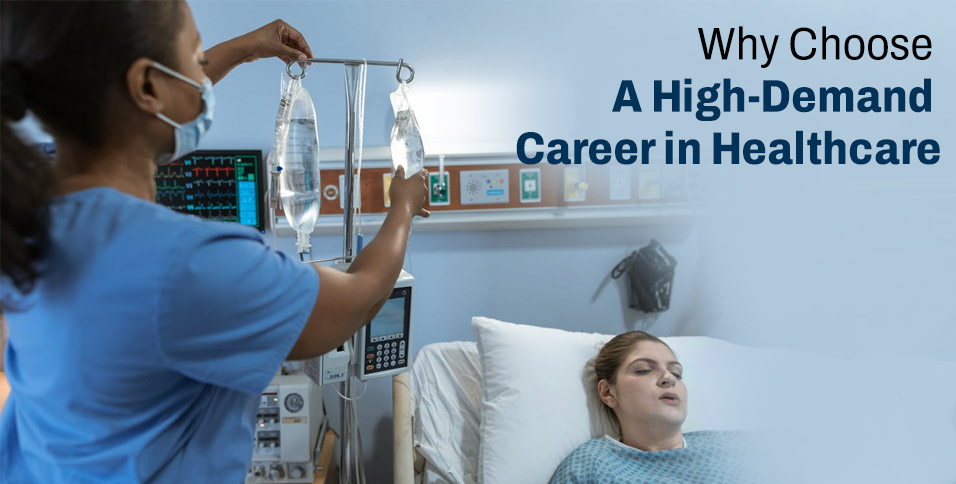
Many jobs involve long projects where results take months or years to appear. Healthcare offers a different experience. The impact of your work often shows up in real time, whether you are assisting in a procedure, helping a patient recover, or supporting a care team during a busy shift.
This immediacy brings a sense of purpose that is hard to replicate in other fields. It also comes with pressure, because the work matters in ways that go beyond deadlines or targets. Patients rely on you, and that responsibility shapes how you approach each task.
There is also a certain irony in how this plays out. While many people search for meaning in their work, healthcare professionals often find themselves wishing for quieter days because of how intense the environment can be. Yet that same intensity keeps the work engaging and grounded in real outcomes.
To prepare for this, focus on building habits that support consistency. Pay attention to detail, follow procedures carefully, and communicate clearly with your team. These actions may seem routine, but they form the base of safe and effective care.
Opportunities for Growth and Advancement
Healthcare careers rarely stay static. As you gain experience, new paths open up through specialization, leadership roles, or advanced training. A technician might move into supervisory positions, while others choose to continue their education and enter more specialized fields.
This upward movement reflects how the industry values experience. Skills developed on the job often lead to greater responsibility, and many employers support further training because it benefits both the worker and the organization.
At the same time, growth requires effort. You need to stay current with changes in practice, maintain certifications, and seek out opportunities to learn. The field rewards those who remain engaged and proactive.
If you plan for this early, you can shape your career more effectively. Look at where you want to be in five or ten years and choose roles that build toward that goal. Each step should add to your skill set rather than keeping you in the same place.
Practical Steps to Get Started
Starting a healthcare career can feel overwhelming, but breaking it down into clear steps makes it manageable. Begin by researching roles that match your interests and strengths. Look at daily responsibilities, required training, and work environments.
Next, choose a program that offers hands-on experience. Clinical hours or practical training are critical because they prepare you for real situations. Programs that include these elements tend to produce graduates who adjust faster once they start working.
After that, focus on building strong habits during training. Show up prepared, stay organized, and practice skills until they become second nature. These actions set you apart and build confidence over time.
Networking also plays a role. Connect with instructors, classmates, and professionals in the field. These relationships can lead to job opportunities and provide guidance as you move forward.
Finally, stay realistic about the demands of the field. Healthcare work can be challenging, both physically and mentally. Knowing this upfront helps you prepare rather than react when pressure builds.
A high-demand healthcare career offers a mix of stability, purpose, and growth that few other paths can match. It asks for effort and discipline, but in return, it provides work that stays relevant and meaningful regardless of outside changes.