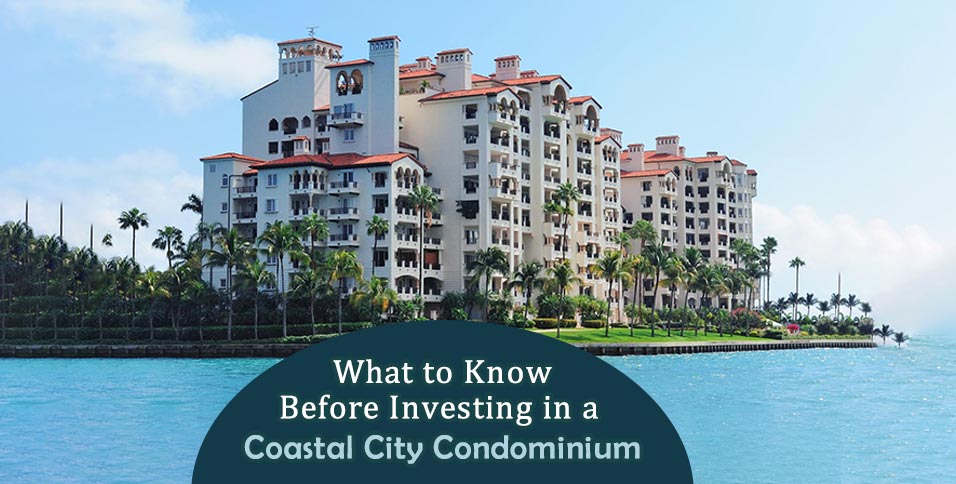
Thinking of investing in a condominium in proximity to the beach? You’re on the right track. These properties are often located in some of the most beautiful and desirable areas, offering ocean views, fresh air, and a relaxed lifestyle.
That said, buying a condo located in a coastal city is different from investing in inland real estate. Yes, these properties offer a range of opportunities, but investors also face unique challenges.
Our advice? Research as much as you can so you know what to expect. This guide offers everything you need to know before investing in a coastal city condominium:
Benefits of Investing in Coastal Condos
First things first, let’s unpack the top benefits of investing in a coastal condo.
Strong rental income potential: Coastal areas attract a steady stream of tourists year-round, which translates into high demand for vacation rentals.
Take, for instance, Kota Kinabalu, the capital of Malaysia’s Sabah state. It is a coastal city partly surrounded by rainforest. Since Sabah state is one of the most popular gateways for tourists and travellers, investing in a Kota Kinabalu condo would pay off. You can charge premium nightly or weekly rates, especially during peak season.
Property appreciation: Coastal properties generally appreciate in value. The main reason? A finite supply of oceanfront land. There is long-term earning potential with coastal condos.
Affordability: Condos typically have a lower initial purchase price compared to single-family homes in the same coastal area. This is why they’re an attractive option for those who personally want to maintain a relaxed lifestyle near the coast.
Structural and Environmental Risks to Consider
Once you know the benefits, it’s time to flip the coin. What are the potential risks of investing in a coastal city condo? Let’s take a closer look:
Starting with the most obvious aspect – natural disasters. Coastal condos are at risk from hurricanes, tropical storms, storm surges, and more. This can cause severe damage to your property, even making it temporarily unavailable.
There’s also the risk of coastal erosion. Rising sea levels and erosion can impact property value. In extreme cases, they can threaten the stability of the structure.
So, what can you do? Are there any precautionary measures? Fortunately, yes! Thoroughly assess the building condition before investing. Ensure professional inspection to check for signs of water damage, mold, or rust on the structure’s foundation and exterior.
High HOA Costs and Insurance Premiums
Coastal condos generally mean high HOA fees. This is due to the increased maintenance for amenities (pools, gyms) and common areas. You might also deal with unexpected, shared fees for large repairs, such as roof replacements or seawall repairs.
Moreover, with coastal condos, standard insurance is often insufficient. These properties require additional coverage for flood, hurricane, and windstorm risks, which can significantly increase insurance premiums.
Carefully read the agreement and bylaws to avoid any unexpected financial surprises. Moreover, conduct thorough research to familiarize yourself with all the financial responsibilities of condo investing.