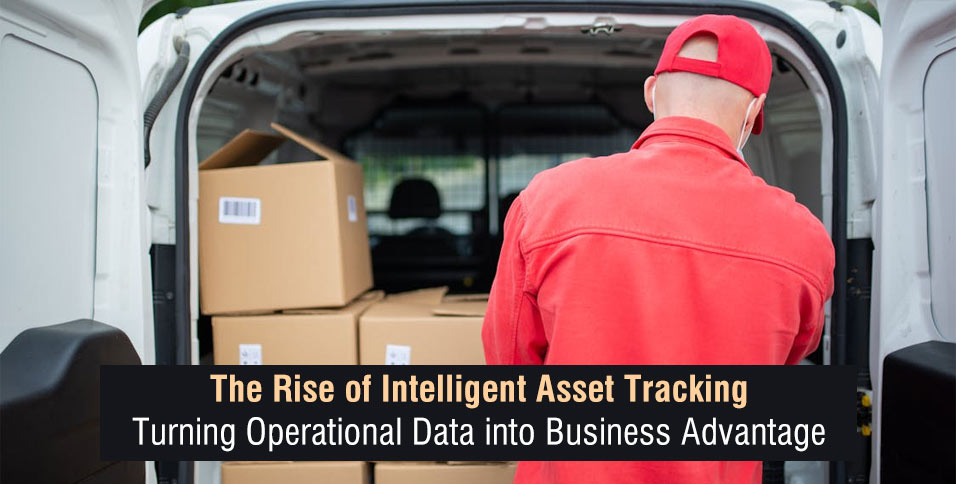
Not long ago, tracking a business asset meant a spreadsheet, a clipboard, or hoping someone on the floor remembered where things went. That approach had an expiry date. Across Australia, organisations are now deploying intelligent tracking systems that do far more than confirm a location. They generate continuous data that feeds directly into operations, procurement, and planning. The shift is significant. It moves businesses from reactive record-keeping to something much more useful, which is real-time awareness backed by historical context. Getting that infrastructure right is no longer a luxury reserved for large enterprises. Businesses of every size are finding practical, measurable reasons to make the change.
What Separates Intelligent Tracking from Basic Location Ping
Slapping a label on something and knowing it exists is not tracking. Not really. Intelligent asset tracking captures movement patterns, dwell times, exception events, and route deviations over the full lifecycle of an asset. That contextual layer is where the value lives. Solutions like tracking stickers, which are ultra-thin, Bluetooth-enabled devices weighing as little as 4 grams, make this kind of granular visibility possible even for small parcels and high-turnover inventory. The data those devices generate is not just a location stamp. It is a record of behaviour, and behaviour is what operations managers actually need to work with.
The Operational Data Most Businesses Never Use
Collecting data and using data are two very different things. Most businesses sitting on asset tracking systems are only scratching the surface of what their platforms can tell them. Devices log movement. The dashboard updates. Nobody looks at it until something goes missing. That reactive pattern is exactly what intelligent tracking is designed to replace. Teams that build regular data review into their workflows tend to find inefficiencies that were previously invisible, such as bottlenecks in a returns process, patterns of equipment loss tied to specific sites or shifts, and underutilised assets sitting idle for weeks at a time. The data was always there. The discipline to interrogate it is what was missing.
A Practical Way to Think About Tracking Data
Making sense of asset data does not require a dedicated analyst. It does require a framework. Working through three layers tends to produce the clearest picture:
- Descriptive: What actually happened? Review movement logs, delivery confirmations, and dwell time reports.
- Diagnostic: Why did it happen? Look for correlations between delays, routes, times of day, and handling teams.
- Predictive: What is likely to happen next? Use trend data to anticipate where losses or bottlenecks typically emerge.
Most platforms provide descriptive data by default. Progressing to diagnostic and predictive thinking is where ROI calculations start to look genuinely compelling and where operational decisions shift from instinct to evidence.
What ROI from Asset Tracking Actually Looks Like
The return on investment from asset tracking is frequently underestimated because businesses count only the obvious wins. Recovered parcels. Fewer stolen tools. Those outcomes matter, but they represent a fraction of the financial case. Reduced labour time spent locating misplaced equipment has a dollar value. So do faster end-of-month stock reconciliation, lower insurance exposure tied to verified asset records, and fewer client disputes when proof of delivery is timestamped and indisputable. Taken together, these gains consistently outperform initial projections. The businesses that measure ROI comprehensively, not just the dramatic recoveries, tend to make the strongest case for expanding their tracking investment over time.
Industries Getting the Most Out of It
Logistics operations are the obvious front-runners. Every delivery delay has a cost. Every lost parcel damages a customer relationship. Visibility throughout the supply chain gives couriers and freight companies a tangible edge on both counts. Government and infrastructure teams managing assets across wide geographic areas are close behind, particularly where accountability and audit trails are non-negotiable. Construction, healthcare, and high-volume retail are also seeing strong returns. The common thread is not industry; it is asset complexity. Businesses managing large numbers of mobile, high-value, or hard-to-replace items have the most to gain from knowing where everything is and what it has been doing.
Picking Technology That Actually Fits
Hardware selection is where a lot of businesses make avoidable mistakes. GPS-based systems are well suited to outdoor, large-area tracking. Bluetooth Low Energy works better indoors or where many items need to be tracked in close proximity. Adhesive form factors, which are thin, lightweight, and require no installation, are the right choice for parcels, small valuables, or any situation where discretion matters and bulk is a problem. Beyond form factor, battery life, platform compatibility, and activation simplicity all affect how well a solution actually gets used day to day. STARtag Trace activates by cutting a tab, and setup takes seconds. That kind of frictionless deployment matters at scale.
Making Data Review a Business Habit
Technology does not change culture on its own. The businesses extracting the most value from intelligent tracking are the ones that have made data review a routine, not an afterthought. That means assigning ownership, so someone is responsible for checking tracking reports on a regular cadence. It means building exception alerts into operations so anomalies surface quickly rather than accumulating quietly. It also means connecting tracking insights to decisions that actually affect the business, including procurement timing, staffing allocation, and supplier performance reviews. When tracking data informs those conversations consistently, the system pays for itself in ways that go well beyond asset recovery.
The Advantage Is Already Within Reach
Intelligent asset tracking is not an emerging trend. It is operational infrastructure that Australian businesses can access and deploy right now. The technology is mature, the data is actionable, and the financial case is solid for organisations willing to measure it properly. What determines whether a business benefits is not the sophistication of the hardware. It is whether the people using it treat the data as something worth paying attention to. Start with clear objectives. Choose tools that fit the actual environment. Build the habit of review. The competitive advantage that comes from better operational data is not complicated to achieve. It just requires the decision to start.