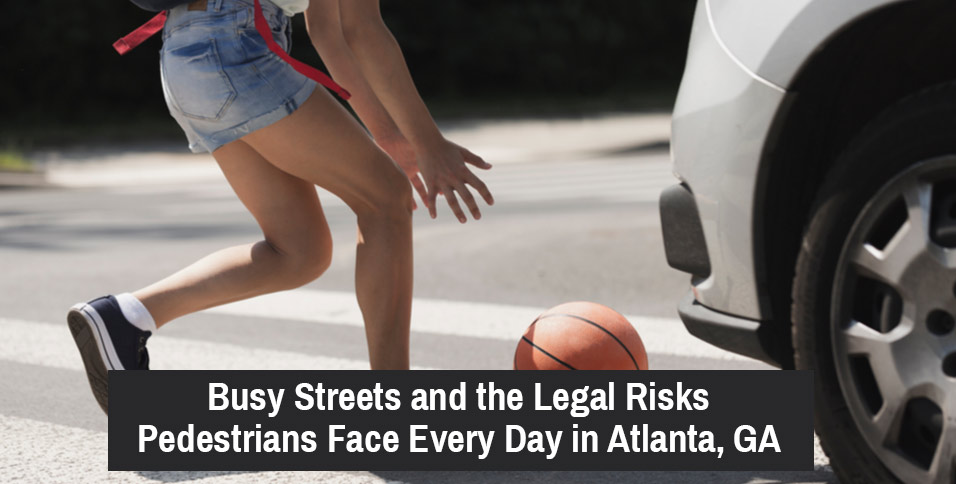
Atlanta, GA, is built on motion. Traffic fills major corridors, sidewalks stay busy near offices and transit stops, and people cross streets as part of daily life. Walking feels ordinary, yet the road system is designed with vehicles in mind first. That imbalance creates quiet but serious risks for pedestrians, especially in a city where congestion and speed often outweigh caution.
The danger does not stop with physical injury. Legal pressure often follows soon after an accident, bringing questions about fault, responsibility, and compensation.
Many people are surprised by how quickly these issues can arise, and having guidance from a pedestrian accident lawyer in Atlanta, GA, can help navigate the legal challenges while recovery is already underway. Once the scene clears, the legal side begins to take shape, and it can be just as difficult to manage as physical healing itself.
Traffic Landscape and Pedestrian Exposure
The city’s traffic layout places pedestrians in constant movement. Wide intersections, multi-lane roads, and steady congestion define travel across many neighborhoods.
Foot traffic increases near business districts, transit hubs, schools, and shopping areas, putting people on foot alongside buses, delivery vehicles, and hurried drivers.
Even marked crossings offer limited protection. Drivers may focus on lights instead of people or rush through intersections to keep pace with traffic. Many pedestrian accidents happen in familiar areas, not isolated zones. Streets crossed every day can suddenly become the source of serious legal and medical consequences.
Common Causes of Pedestrian Accidents on Busy Streets
Pedestrian accidents usually happen because of everyday driving mistakes rather than extreme or reckless behavior. Several factors commonly contribute to these incidents:
Failure to Yield at Intersections
Drivers may fail to yield while turning, especially in areas with heavy traffic.
Speeding Reduces Reaction Time
Traveling too fast makes it harder for drivers to slow down or stop safely when a pedestrian is present.
Distractions from Phones or In-Car Systems
Diverted attention from mobile devices or car screens increases the chance of missing a pedestrian crossing.
Poor Lighting or Blocked Views
Low visibility conditions or obstructions make it harder for drivers to see people on foot.
Multi-Lane Crossings Increase Risk
Wide or multiple-lane intersections create confusion and elevate the likelihood of accidents.
Legal Risks Pedestrians Face After an Accident
Medical treatment often begins immediately, but legal pressure is not far behind. Insurance companies move quickly to gather statements. Pedestrians may feel obligated to explain what happened before fully understanding their rights. Words spoken while injured or shaken can later be used to suggest responsibility.
Blame is often shifted toward the person on foot. Questions arise about crossing location, timing, or attention. Video footage and witness accounts may lack full context but still influence outcomes.
Injuries that worsen over time can also be questioned if treatment did not start right away. These challenges place injured pedestrians at a disadvantage early on.
How Georgia Law Evaluates Fault in Pedestrian Accidents?
Georgia follows a modified comparative negligence system. Responsibility can be shared, and compensation may be reduced if the pedestrian is found partially at fault. If responsibility reaches a certain level, recovery may be limited entirely.
This framework makes pedestrian claims more complex than many expect. Traffic signals, crosswalk markings, and driver conduct all matter. Small details often carry significant weight.
Pedestrians are often surprised to learn that their actions are closely examined, even in situations involving a moving vehicle.
The Financial and Long-Term Impact of Pedestrian Injuries
Pedestrian injuries tend to bring lasting financial strain. Emergency care, surgery, therapy, and follow-up visits can continue for long periods. Time away from work reduces income and adds stress during recovery. Pain and limited mobility affect daily routines far beyond the initial accident.
Early settlement offers may not reflect future medical needs or long-term limitations. Without a clear view of recovery ahead, financial challenges can persist well after the incident itself.
Protecting Your Legal Rights After a Pedestrian Accident
Certain steps help limit legal risk after a pedestrian accident. Seeking medical attention right away creates proper documentation. Preserving details from the scene supports accuracy later. Careful communication with insurers helps avoid misunderstandings.
Before accepting any settlement, understanding legal options is important. Guidance from a pedestrian accident lawyer in Atlanta, CA, can help injured individuals navigate Georgia’s fault rules and protect their interests during a challenging time.
Final Thoughts
Busy streets are part of everyday life in Atlanta, GA. Pedestrians will continue sharing space with fast-moving traffic. The risks they face extend beyond physical harm and into legal decisions that shape recovery.
Knowing how responsibility is assessed and how claims unfold provides clarity during uncertainty. Awareness becomes a form of protection in a city that rarely slows down.