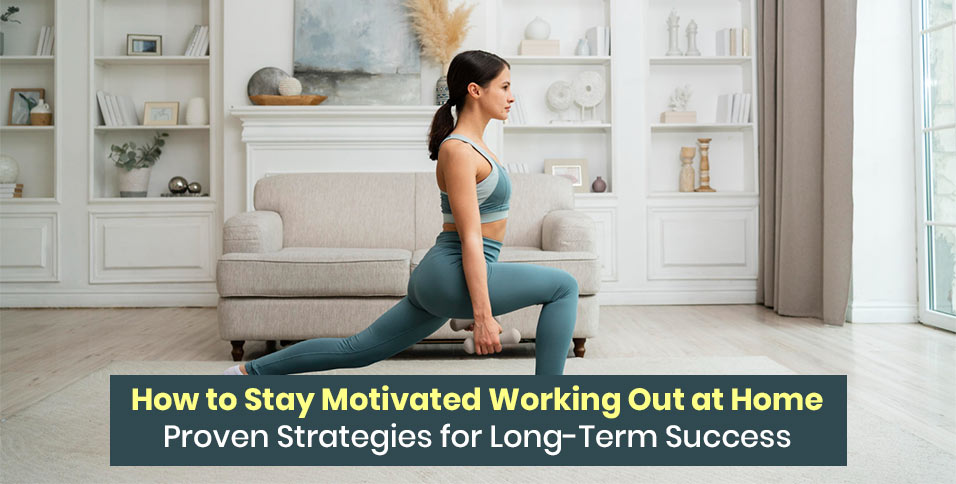
Working out at home gives you flexibility and saves time, but staying motivated can be hard. You might start strong but lose interest after a few weeks. The good news is that many people face this same problem, and there are real ways to fix it.
The key to staying motivated is building simple habits, setting realistic goals, and creating a workout space that makes you want to exercise. These steps help you stick to your routine even when you don’t feel like working out.
This guide will show you practical strategies that work. You’ll learn how to deal with common problems that stop people from exercising at home. Whether you’re just starting or trying to get back on track, these tips will help you stay consistent with your fitness routine.
Effective Strategies to Stay Motivated at Home
Staying motivated for home workouts requires specific tools and habits that keep you engaged day after day. The right goals, schedule, environment, and tracking methods work together to build lasting exercise habits.
Setting Clear and Achievable Goals
Start by writing down specific workout goals rather than vague ideas like “get fit.” Choose targets you can measure, such as completing three 30-minute workouts per week or doing 20 push-ups without stopping.
Break larger goals into smaller steps you can reach in one to four weeks. If you want to run a 5K, your first goal might be jogging for 10 minutes without breaks. This approach gives you regular wins that fuel your motivation.
Make your goals match your current fitness level. Setting targets that are too hard leads to burnout and giving up. If you haven’t exercised in months, aim for 15-minute sessions instead of hour-long workouts.
Write your goals where you’ll see them daily. Put them on your bathroom mirror, phone wallpaper, or workout area. Review and adjust them monthly based on your progress and how your body responds.
Building a Consistent Routine
Pick specific days and times for your workouts and treat them like appointments you can’t miss. Morning sessions often work best because fewer distractions come up early in the day.
Create a pre-workout ritual that signals your brain it’s time to exercise. This might include putting on workout clothes, drinking water, or playing a specific playlist. Your body will start preparing for activity when you follow the same steps each time.
Schedule your workouts for when your energy is highest. Some people feel strongest in the morning, while others perform better in the afternoon or evening. Test different times during your first week to find what works for you.
Plan your weekly workouts on Sunday so you know exactly what you’re doing each day. This removes the mental effort of deciding whether to exercise or choosing what movements to do.
Creating an Inspiring Workout Space
Choose a dedicated spot in your home that’s only for exercise. This area doesn’t need to be large—a 6×6 foot space works for most bodyweight exercises and yoga.
Keep your workout equipment visible and ready to use. Store resistance bands, dumbbells, or a yoga mat in your exercise area instead of in a closet. Seeing your equipment reminds you to work out and removes barriers to starting.
Add elements that boost your energy:
- Good lighting from windows or bright bulbs
- A mirror to check your form
- A speaker for motivating music
- Plants or posters that make you feel positive
Clear the space of items unrelated to fitness. Remove work materials, laundry, or other distractions that pull your attention away from exercise.
Tracking Progress and Celebrating Milestones
Record every workout in a simple notebook or fitness app. Write down the exercises you did, how many repetitions, and how you felt. This data shows patterns and proves you’re making progress even when changes feel slow.
Take photos and measurements every two weeks. Your weight might not change much, but photos reveal improvements in muscle definition and posture that scales miss.
Celebrate specific achievements with non-food rewards:
- New workout clothes after one month of consistency
- A massage after completing 20 workouts
- Premium fitness app subscription at the three-month mark
Track both performance and habit goals. Completing your planned workouts matters as much as lifting heavier weights or running faster. Some weeks your biggest win is simply showing up.
Overcoming Challenges and Sustaining Motivation
Working out at home requires strategies to handle obstacles like isolation, repetitive routines, and temporary failures. You need practical methods to stay on track when motivation drops.
Staying Accountable and Finding Support
Accountability keeps you consistent when willpower runs low. Find a workout partner who exercises at the same time, even if you connect through video calls. You can share progress photos, workout times, or completed sessions.
Join online fitness communities or social media groups focused on home workouts. These spaces let you post your achievements and get encouragement from others facing similar challenges. Many people find that public commitment makes them less likely to skip sessions.
Track your workouts using apps or a simple calendar. Mark each completed session with an X or checkmark. This visual record shows your consistency and creates motivation to maintain your streak.
Accountability methods that work:
- Schedule virtual workout sessions with friends
- Share weekly progress in fitness groups
- Use fitness apps with built-in social features
- Post workout completion on social media
- Text a friend before and after each session
Combating Boredom with Workout Variety
Doing the same exercises daily leads to mental burnout and physical plateaus. Switch your workout style every 4-6 weeks to keep things interesting. Try yoga one month, then switch to bodyweight strength training or dance workouts.
Create themed workout days like “leg day Monday” or “cardio Friday” to add structure while maintaining variety. You can also change your workout time, music playlist, or room location to create freshness without completely redesigning your routine.
Use free online workout videos to access different instructors and styles. Try workouts you normally wouldn’t consider, like kickboxing, Pilates, or HIIT sessions. Even small changes like new exercises for the same muscle groups prevent monotony.
Dealing with Setbacks and Staying Positive
Missed workouts happen to everyone. One skipped session doesn’t erase your progress or mean you’ve failed. Get back to your routine the next day without guilt or punishment workouts.
Life events, illness, or injuries may force breaks from exercise. Start back slowly at 50-60% of your previous intensity. Your fitness returns faster than it initially developed.
Focus on what you accomplished rather than perfect adherence. If you planned five workouts but completed three, that’s still three sessions of movement and effort. Adjust your goals when needed instead of abandoning them completely.