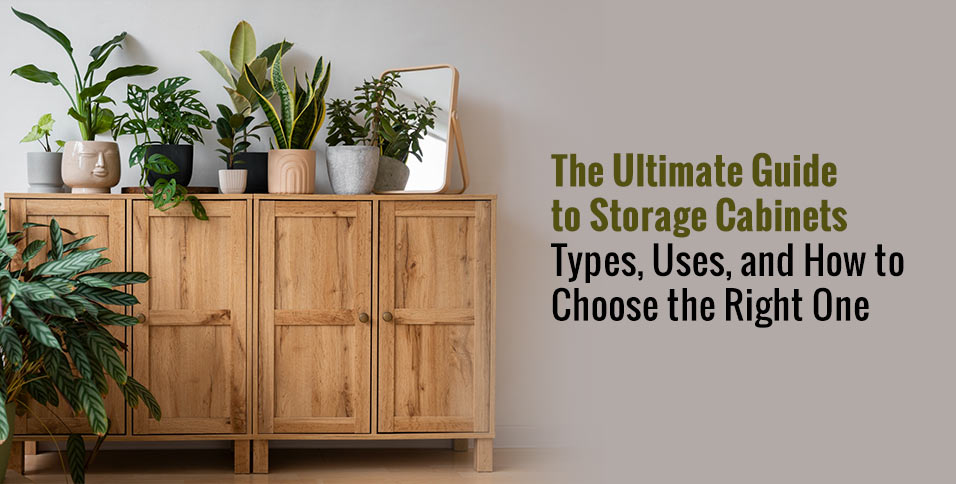
Whether you’re reorganizing your home office, decluttering the garage, or upgrading your kitchen, storage cabinets are one of the most versatile and practical furniture investments you can make. But with so many styles, materials, and configurations available, knowing which one fits your needs can feel overwhelming. This guide breaks down everything you need to know — from cabinet types and materials to placement tips and buying advice.
What Are Storage Cabinets?
Storage cabinets are enclosed furniture units designed to organize, protect, and conceal belongings. Unlike open shelving, they keep items dust-free, hidden from view, and neatly organized behind doors or within drawers. They range from small bedside organizers to large floor-to-ceiling utility units, making them suitable for virtually every room in the home.
Types of Storage Cabinets
Understanding the different categories helps you find the right match for your space.
Freestanding Storage Cabinets are the most flexible option. They require no installation, can be moved easily, and work well in bedrooms, living rooms, and home offices. These are ideal for renters or anyone who prefers a non-permanent solution.
Wall-Mounted Storage Cabinets free up floor space by attaching directly to the wall. They’re popular in kitchens, bathrooms, and garages where floor space is limited. Floating cabinets also create a clean, modern aesthetic.
Corner Storage Cabinets maximize otherwise wasted corner space. They fit snugly into room corners and come in both floor-standing and wall-hung versions, offering smart storage in compact areas.
Utility and Garage Storage Cabinets are built for heavy-duty use. Made with reinforced materials like steel or heavy-gauge MDF, these units are designed to hold tools, equipment, cleaning supplies, and other bulky items.
Media and Display Cabinets combine storage with aesthetics, often featuring glass-front doors, adjustable shelving, and open compartments for electronics, books, or decorative pieces.
Bathroom Vanity Cabinets are purpose-built for moisture-prone environments, housing toiletries, towels, and cleaning products beneath sinks or along bathroom walls.
Common Materials Used in Storage Cabinets
The material of a storage cabinet directly affects its durability, appearance, and price.
Solid Wood offers timeless appeal and exceptional durability. Cabinets made from oak, maple, or walnut are long-lasting and can be refinished over time, but they come at a higher price point.
MDF (Medium-Density Fiberboard) is a popular choice for budget-friendly and mid-range cabinets. It’s smooth, easy to paint, and resists warping — but it’s heavier than solid wood and can be damaged by prolonged moisture exposure.
Particleboard is the most affordable option and is commonly used in flat-pack furniture. It’s best for light-duty storage in dry environments.
Metal and Steel are the go-to for garage and industrial settings. They resist pests, hold heavy loads, and are easy to clean — though they can be prone to rust if not properly coated.
Engineered Wood with Laminate blends affordability with aesthetics. The laminate finish simulates the look of wood or solid color while protecting the core material from everyday wear.
Key Features to Look for When Buying Storage Cabinets
Not all storage cabinets are built the same. Here are the most important features to evaluate before purchasing:
Adjustable Shelving gives you flexibility to accommodate items of varying heights. Fixed shelves are sturdier but limit how you can configure the interior.
Locking Mechanisms are valuable if you’re storing medications, important documents, or tools away from children. Look for key locks or combination locks on utility and office cabinets.
Weight Capacity is especially critical for garage and utility cabinets. Always check the manufacturer’s specified load rating per shelf before filling them with heavy items.
Door Style — hinged, sliding, or louvered — affects both usability and the visual footprint of the cabinet. Sliding doors are great for tight spaces where swing clearance is an issue.
Ventilation matters in cabinets used for electronics or cleaning chemicals. Louvered doors and built-in vents help prevent heat and chemical buildup.
Finish and Color should complement your existing decor. Neutral tones like white, gray, and natural wood remain popular because they blend seamlessly into most interior design styles.
How to Choose the Right Storage Cabinet for Each Room
Living Room: Opt for cabinets with a clean finish and subtle hardware. Sideboards, media consoles, and accent cabinets with glass panels strike a balance between function and style.
Bedroom: Tall wardrobes and low bedside cabinets keep clothing, accessories, and personal items organized. Mirrored cabinet doors can also help visually enlarge smaller rooms.
Home Office: Filing cabinets, lateral storage units, and multi-drawer pedestals help manage paperwork, stationery, and tech accessories. Lockable drawers are a big plus for sensitive documents.
Kitchen: Upper and lower kitchen cabinets form the backbone of kitchen storage. Consider pull-out drawers, lazy Susans, and deep base cabinets for pots and pans.
Bathroom: Moisture-resistant materials are non-negotiable. Look for PVC-coated or solid wood cabinets with sealed finishes that can handle humidity without warping or peeling.
Garage and Workshop: Heavy-duty steel cabinets with reinforced shelving are your best bet. Modular systems allow you to expand storage as your needs grow.
Organization Tips for Getting the Most Out of Your Storage Cabinets
Even the best cabinet becomes cluttered without a smart organization strategy. Start by categorizing items before placing them inside — group similar items together so everything has a designated spot. Use labeled bins, baskets, and dividers within larger cabinets to subdivide space further. Store frequently used items at eye level and rarely used items on higher or lower shelves. In garage cabinets, keep hazardous materials on upper shelves, out of reach of children.
Rotating your cabinet contents seasonally is also a smart habit. Swap out summer gear for winter essentials, or holiday decorations for everyday items, to keep cabinets from overflowing.
Storage Cabinets and Interior Design Trends
Modern storage cabinets have evolved far beyond purely functional pieces. Today, they’re integral to interior design. Minimalist Scandinavian-style cabinets with flat fronts and soft-close doors are consistently popular. Industrial-style metal and wood combinations work well in contemporary homes and loft spaces. Vintage-inspired cabinets with carved detailing or distressed finishes add character to eclectic and farmhouse-style interiors.
Two-tone color schemes — such as dark lower cabinets with light uppers — have become a major trend in kitchen design. For living spaces, built-in-looking freestanding cabinets that blend into the wall create a custom, tailored appearance without the renovation cost.
Where to Buy Storage Cabinets
When shopping for storage cabinets, it helps to browse a curated collection to compare styles, sizes, and finishes side by side. If you’re looking for a wide variety of options to suit different rooms and budgets, explore these storage cabinets that offer thoughtfully designed solutions for home and office organization alike. Having all your options in one place makes it easier to evaluate dimensions, materials, and styles before committing to a purchase.
Final Thoughts
Storage cabinets are a long-term investment in the functionality and appearance of your home. The right cabinet doesn’t just store things — it creates order, reduces visual clutter, and contributes to the overall feel of a room. By understanding the different types, materials, and features available, you can make a confident, well-informed choice that serves your home for years to come. Whether you need a sleek living room accent piece or a heavy-duty garage organizer, there’s a storage cabinet built exactly for the job.