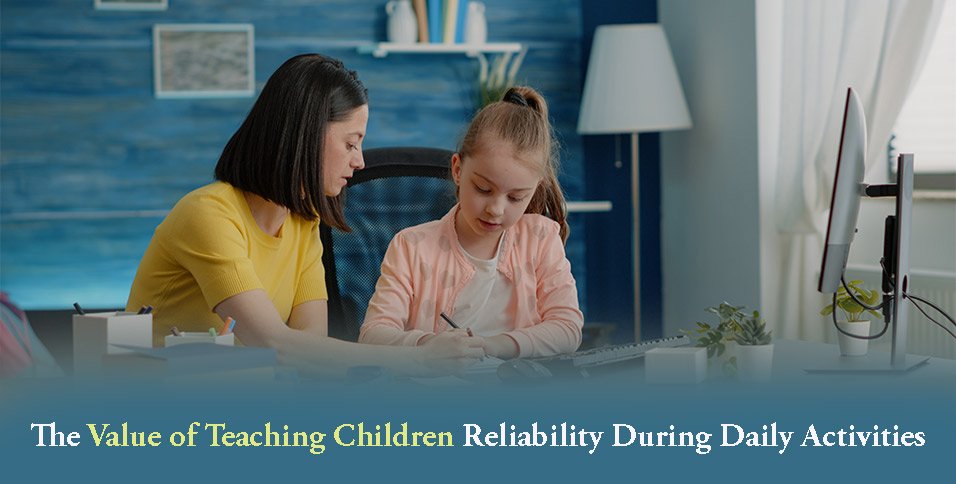
Reliability often relates to significant duties but children usually develop this trait through small, daily experiences. They learn to be dependable when they have opportunities to finish simple tasks – these moments are the basis for habits that are helpful throughout life. Instructing children on reliability during daily routines is a method for them to see that their actions matter and that others can rely on them.
Daily Responsibilities
Minor household chores are opportunities for children to practice being reliable. Duties like making a bed, storing toys or assisting with the table require steady effort instead of unique skills. When children finish these tasks on a regular schedule, they begin to see why it is important to complete their work.
Simple duties are also a way for children to observe that reliability comes from repetition. A child who performs daily tasks without frequent reminders learns that reliable behavior is a normal part of life – this conduct is useful for maintaining an organized home.
Building Trust
Dependability is a part of establishing trust among family members. Parents and siblings are more certain of a child’s abilities when that child consistently follows through on promises – this trust is often the reason children receive more independence and more chances to help.
Trust comes from many small interactions – A child is a reliable person when they finish homework, feed a pet or assist with easy chores. Such experiences demonstrate to children that trust is the consequence of their actions.
Developing Accountability
Teaching reliability during common moments is a way for children to be responsible for their decisions. They learn that duties include specific expectations and that their actions impact other people – this realization is a motivation for them to manage their own tasks instead of waiting for assistance.
Accountability is also a way for children to observe the link between effort and outcomes. They see positive results, like a tidy room or finished schoolwork, when they meet their responsibilities consistently – these experiences are a method to emphasize the importance of fulfilling obligations.
Strengthening Family Life
Reliable children are helpful to the family schedule – Household work is more manageable when every person performs tasks that are appropriate for their age. Family members are able to depend on each other, which is a way to foster cooperation and a common goal.
These instances are not always large projects – Activities like assisting with groceries, arranging school items or remembering where objects belong are ways to help the family. Even the act of putting dishwasher pods in storage or putting away dishwasher tablets are chances to be reliable and responsible.
Preparing For Future Challenges
Habits that children form through daily reliability are a way to prepare them for bigger duties later in life. Children who learn to keep small promises are more likely to meet future obligations with certainty. The skill of managing duties is important as school, social and personal expectations increase.
Simple moments are a safe place to learn these skills – Adults can correct mistakes and change routines without large problems – this slow learning process is a way for children to become more certain of their ability to meet requirements and fix issues.
Encouraging Consistency
Dependability is connected to consistency – Children find it helpful to learn that being reliable means doing the correct thing even when a task is easy. Performing duties regularly is a way to teach discipline and create permanent habits.
Consistency is also a way for children to understand the importance of a commitment. They learn that reliable behavior does not depend on their mood or what is easy at the time. It involves meeting expectations and helping with goals even if the work is repetitive.
Creating Positive Character Traits
Several personality attributes are the result of being dependable. Children who are reliable often possess more self control and persistence – these qualities are useful for success in education, relationships and future jobs.
Character growth is the result of repeated experiences – Children strengthen habits that are part of their personal development every time they finish a task or keep a promise. Daily moments are useful opportunities to establish values.
Conclusion
Teaching children to be reliable during daily moments provides advantages that go beyond household chores. Children learn about accountability, consistency and the importance of trust through small duties – these lessons are a way to form behaviors that assist them throughout their lives. Daily occurrences are often the most effective opportunities for growth. Families help children develop the reliability necessary to face future difficulties with certainty – encouraging them to finish routine tasks.