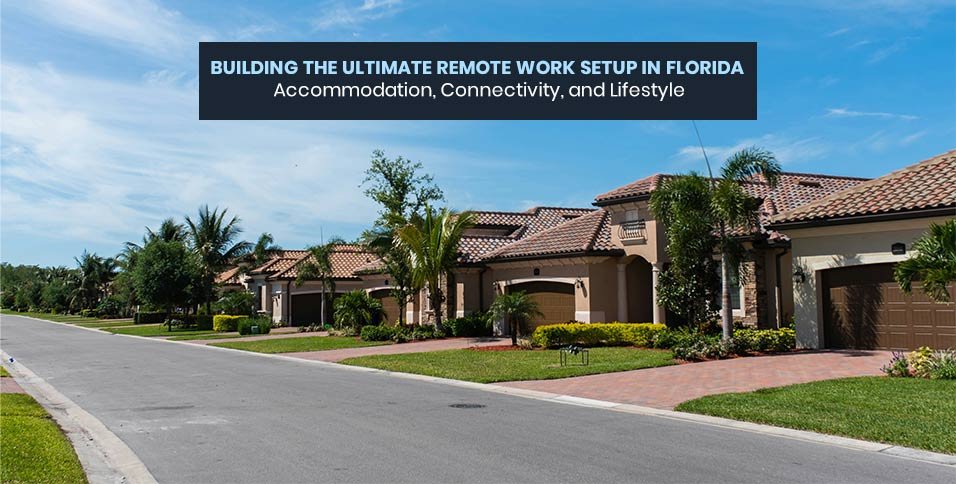
Relocating your remote work operations to coastal regions for the winter months demands careful planning around residential infrastructure. Reliable cloud access, ergonomic workstations, and proximity to lifestyle amenities are primary considerations for digital nomads choosing their next destination. Additionally, professionals traveling with companion animals must evaluate local park access, neighborhood walkability, and property policies. By leveraging dedicated search databases for pet friendly Florida rentals, remote workers can efficiently secure properties featuring fast Wi-Fi, dedicated workspace areas, and welcoming pet environments for seamless transition between work and relaxation.
Testing bandwidth and power stability before booking
You can check the kind of speeds most areas get for an average, but asking a host for a speed test screenshot taken directly from the dining table usually sorts the real listings from the overly optimistic ones. Listing claims about “high-speed internet” don’t typically account for four people in adjacent units streaming simultaneously, and that can make it hard to gauge whether the connection will support a two-hour zoom call every day (at the bare minimum).
You don’t want a bottleneck right when you’re about to deploy.
Even the small details matter when you need to maintain a consistent work schedule. Let’s say you find out your kitchen table sits ten feet from the nearest wall outlet. That only adds to the headache. Checking property photos for grounded outlets near actual tables, quiet air conditioning units, blackout blinds for intense afternoon glare, and dedicated desks saves your posture and your sanity.
Pro Tip: Coastal power grids can flicker during sudden downpours, so keeping a fully charged hotspot on the desk is just sensible, but it’s something out-of-towners tend to not even consider until it’s too late. AKA, until the lights (and the wifi) are down.
Thinking of your furbaby
A manicured lawn on a listing might look great, but if it borders a four-lane road without a sidewalk, morning walks turn into a tense exercise in traffic dodging.
Pavement temperatures get surprisingly high even in mid-winter – forcing afternoon bathroom breaks onto patches of grass – while local wildlife keeps high-drive dogs on constant alert.
Check the satellite views on Google maps. They’ll reveal what descriptions and touched-up photos taken at tactical angles tend to overlook: continuous sidewalk networks, fenced yards, nearby dog parks, live oak shade, and quiet side streets.
Matching location choices to your actual daily routine
Love it or hate it, charming coastal cottages often sit directly above noisy commercial strips that run late into the evening.
If you’re working with an international team, then logging onto calls early in the morning means dodging early garbage trucks and tourist crowds still on their way home from the night before…
…right outside the front door.
While it’s nice to be in the heart of things sometimes, setting up three streets back from the main strip or looking at suburban pockets fifteen minutes inland yields quieter working hours, easier parking, lower nightly rates, and straightforward access to actual grocery stores. It also tends to be cheaper, too, which is an added bonus.
Also Read: Could Remote Work (WFH) Become the New Norm After the $100K H-1B Visa Fee