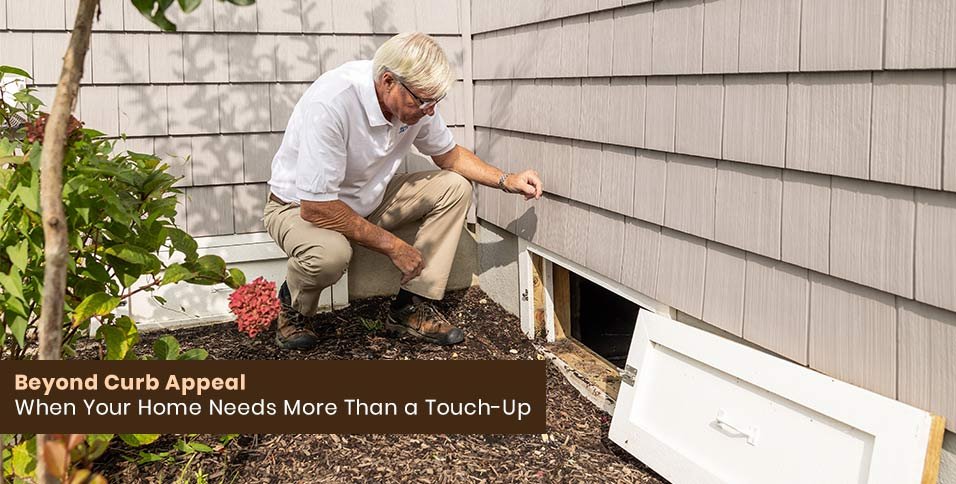
A home’s exterior can look perfectly respectable while hiding problems that deserve attention. In Pittsburgh, repeated rain, winter freezing, and seasonal temperature changes can expose weaknesses around siding, trim, and wall openings. Peeling paint might be cosmetic, but recurring dampness or loose panels can point to trouble underneath. Before investing in a dramatic makeover, learn what to inspect, which repairs are worth making, and when replacing worn materials becomes the more sensible choice. The aim is lasting protection, not simply a fresh appearance. That is worth planning for carefully.
Look Past the Paint and Check the Structure
Siding is the visible part of a larger wall system. Behind it are layers intended to manage moisture, support insulation, and protect the building. A clean surface cannot guarantee those hidden components are healthy.
Walk around the house in good daylight. Look for displaced panels, cracked boards, opening seams, swollen trim, and paint that repeatedly peels in the same spot. Pay particular attention to areas below windows and where roofing meets a wall. Water often exploits these transitions before damage appears across an entire section.
Photograph changes and compare them after storms. A record helps distinguish gradual aging from a sudden issue that needs prompt investigation.
Know When New Siding Is Worth Considering
Replacement becomes a stronger option when damage affects broad sections, repairs are increasingly frequent, or the existing material cannot be restored reliably. Even then, the decision should begin with an inspection of the wall underneath rather than a color sample.
Homeowners evaluating siding replacement in Pittsburgh should consider how the proposed material and installation details will handle repeated wetting, cold weather, and temperature changes. Ask whether the work includes inspecting sheathing, addressing deterioration, installing an appropriate water-resistive barrier, and detailing vulnerable openings. Those steps can matter more than a particular finish or advertised lifespan.
A reputable contractor should explain which sections genuinely need replacement and why smaller repairs would or would not solve the problem.
Recognize Problems That Keep Coming Back
A single damaged board may be straightforward to repair. The same patch failing every year deserves a closer look. Repeated staining, soft wood, persistent musty smells, or interior discoloration near an outside wall can suggest that water is entering somewhere it should not.
Not every draft or high heating bill comes from siding. Windows, attic insulation, and air leaks elsewhere can contribute. Likewise, surface mildew does not automatically mean a wall cavity is wet.
What matters is the pattern. If repairs briefly improve the appearance but the same symptoms return, ask a qualified professional to investigate the underlying cause before spending more on cosmetic work.
Understand How Walls Keep Rain Outside
Siding sheds much of the weather, but it is not intended to be a perfectly sealed shell. Water can find its way through joints, penetrations, or wind-driven gaps. Good wall assemblies provide a way for that moisture to drain instead of becoming trapped.
The guidance on water-managed walls explains the role of water-resistive barriers, overlaps, and flashing in directing water away from vulnerable materials. This is particularly important around doors, windows, and roof intersections.
Ask how the installer handles these details, not merely which siding brand is being used. A beautiful panel cannot compensate for a poorly protected opening.
Compare Materials Against Your Maintenance Habits
Vinyl, fiber cement, engineered wood, metal, and traditional wood differ in appearance, upkeep, cost, and installation requirements. None is universally best. A material that suits one house may be a poor match for another’s architecture or exposure.
Vinyl generally avoids repainting but can crack or distort under certain conditions. Wood offers a distinctive finish while demanding attention to coatings and moisture. Fiber cement is durable when correctly detailed, though weight and cutting requirements can affect installation costs.
Consider the finish you will want to maintain five years from now. Ask how damaged sections are repaired and whether matching profiles and colors will remain available. Long-term convenience matters as much as the initial look.
Investigate Moisture Before Covering It Up
Replacing visible siding without correcting leaks may simply conceal damage for a while. Before work begins, check gutters, downspouts, grading, and the condition of flashing around openings. Water moving toward a wall or foundation can cause recurring trouble regardless of the new exterior finish.
The information on controlling moisture at home explains why fixing leaks and directing runoff away from a house are essential protective steps. Moisture can originate from indoors as well, so proper diagnosis matters.
If substantial hidden rot or mold is suspected, discuss inspection and remediation before closing the wall. Repairs should address the source, not merely hide the evidence.
Read the Installation Quote Carefully
Two contractors may offer similar-looking siding for very different scopes of work. One estimate might include removal, disposal, flashing, trim, and damaged sheathing repairs. Another may exclude several of those essentials.
Request written product specifications, labor details, expected scheduling, and a clear process for approving additional work. Confirm insurance, applicable permits, workmanship coverage, and who will restore landscaping disturbed during installation.
Be cautious about broad promises of energy savings. Replacing siding alone may not significantly change insulation performance unless the project also improves the relevant wall components. Ask for realistic explanations instead of relying on a sales pitch.
Make the Upgrade Last Beyond Installation Day
A completed exterior should still receive occasional attention. Keep gutters clear, trim vegetation away from vulnerable surfaces, and inspect caulking and flashing where appropriate. Follow the material manufacturer’s cleaning recommendations rather than using aggressive methods that may damage finishes.
Retain warranties, photographs, and details of the installed products. If a seam moves or staining reappears, report it promptly while the cause is easier to trace.
The best exterior upgrade is not necessarily the most dramatic transformation. It is the one that fixes existing weaknesses, resists future moisture problems, and gives the homeowner fewer reasons to worry whenever the weather turns rough.