Buying a new car is exciting. That fresh smell, the shine of the paint, and the feeling of driving something that’s truly yours, it’s unmatched. But here’s the catch: keeping it looking brand new is harder than it sounds. Scratches, stone chips, bird droppings, dust, and even the sun’s harsh rays can make your car’s paint lose its charm faster than you’d like.
That’s where ppf on cars comes in. For first-time buyers, it can be a little confusing: What is PPF? Do you really need it? Is it worth the cost? Don’t worry, his guide is designed to answer all the questions you might have before deciding whether PPF is right for you.
What is PPF?
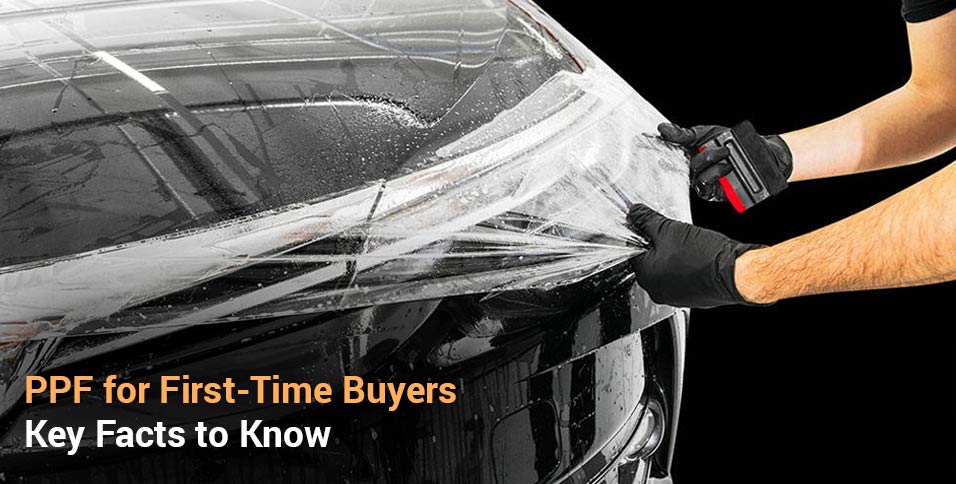
PPF stands for Paint Protection Film. It’s a transparent polyurethane film applied to your car’s painted surfaces. Imagine it as an invisible shield that takes the hits, stone chips, scratches, swirls, tar, even accidental nail marks, before your paint does.
Modern PPF isn’t just about protection. Many films now come with “self-healing” technology, which means light scratches vanish when exposed to heat from sunlight or warm water. Plus, they’re designed to resist yellowing, so your car doesn’t end up looking dull or patchy.
In short: PPF is like an insurance policy for your car’s paint, but instead of covering damage costs, it prevents the damage from happening in the first place.
Why First-Time Buyers Should Care About PPF
If you’ve just bought your first car, chances are you want it to stay looking new for as long as possible. Here’s why PPF deserves your attention:
- Peace of Mind – No need to panic every time a bike brushes too close in traffic.
- Long-Term Savings – Avoid costly repainting and polishing jobs later.
- Better Resale Value – A car with fresh, original paint will always sell for more.
- Confidence – You’ll enjoy your car more when you don’t stress about scratches.
For first-time buyers, it’s about building good habits. Protect your car early, and it’ll serve you well for years.
Full Body vs Partial PPF
One of the first decisions you’ll face is whether to wrap the entire car or just the high-risk areas.
- Partial PPF (Clear Bra):
Covers front bumper, hood, fenders, and mirrors. These are the zones most likely to take hits from stones and bugs. It’s cheaper but leaves other panels unprotected. - Full-Body PPF:
Covers every painted surface. Offers maximum protection and keeps the whole car looking new. It’s more expensive but worth it if you plan on keeping the car long-term.
For first-time buyers on a budget, partial coverage is a good start. But if you can stretch, full-body protection is unmatched.
The Real Costs Involved
This is where most buyers hesitate: the price tag.
- Partial Coverage (Clear Bra): ₹40,000 – ₹70,000
- Full-Body PPF: ₹1,20,000 – ₹2,50,000+
At first, this sounds like a lot. But compare it to repainting a panel (₹5,000–₹10,000 each) or a full repaint (₹70,000+), and suddenly it feels more like an investment than an expense.
Remember: PPF is a one-time cost that protects you for 5–7 years. Repainting, polishing, and repairs can easily cross that figure if you skip it.
What PPF Can Do (and What It Can’t)
It’s important to set realistic expectations. PPF isn’t magic, it has strengths and limits.
✅ What It Can Do:
- Stop stone chips and scratches.
- Protect against UV fading.
- Resist stains from tar, bugs, and bird droppings.
- Self-heal minor swirl marks.
- Keep your car’s paint glossy and new.
❌ What It Can’t Do:
- Prevent dents from bigger impacts.
- Last forever, it typically works for 5–10 years.
- Be maintenance-free, you still need to wash and care for it.
Knowing this balance helps first-time buyers avoid disappointment.
Common Myths About PPF
When researching, you’ll hear all sorts of opinions. Let’s bust some myths:
- “PPF makes cars look dull.”
Wrong. Good-quality PPF is nearly invisible and often enhances the gloss. - “It’ll peel and ruin the paint.”
Only if you buy cheap films or go to an unskilled installer. Premium PPF, applied correctly, won’t peel or damage your paint. - “It’s not worth the money.”
If you plan to sell your car in 2 years, maybe. But for long-term owners, it saves money and stress.
How to Choose the Right PPF
Here’s a simple checklist for first-time buyers:
- Pick a Trusted Brand – Stick with reputed names like XPEL, 3M, STEK, or SunTek.
- Check Warranty – Look for films with at least a 5-year warranty.
- Go to Skilled Installers – The installer’s expertise is as important as the film itself. Bad installation = wasted money.
- Choose the Right Finish – Gloss for shine, matte for a unique look, satin for a mix of both.
- Compare Coverage Plans – Full wrap vs Clear Bra—decide based on your budget and usage.
Maintenance Tips for PPF Owners
Even with PPF, you can’t completely neglect your car. Here’s how to make sure the film lasts:
- Wash regularly with a mild shampoo.
- Use microfiber cloths, no harsh sponges.
- Avoid parking under direct trees (bird droppings, sap).
- Don’t peel or poke at edges of the film.
- Wax occasionally if recommended by the installer.
Treat your PPF well, and it will keep your paint looking flawless for years.
Comparing PPF With Alternatives
You might wonder: “Why not ceramic coating instead?” Here’s a quick breakdown:
- Ceramic Coating: Adds shine, hydrophobic effect, easier cleaning. But it won’t stop scratches or chips.
- Wax: Cheap, adds temporary shine, but wears off in weeks.
- PPF: The only solution that physically absorbs impacts and prevents damage.
This is why paint protection film stands out as the best option if actual protection is your priority.
Is PPF Really Worth It for First-Time Buyers?
Here’s the truth: not everyone needs PPF.
- If you’ve bought a small hatchback and plan to upgrade in 2 years, maybe just get a Clear Bra or ceramic coating.
- If you’ve bought a premium SUV or sedan you plan to keep for 5–7 years, full-body PPF is worth every rupee.
- If you’re a first-time buyer who takes pride in your car and wants to keep it looking fresh, PPF is a smart move.
Think of it as buying peace of mind. You’ll never flinch at the sound of gravel hitting your car on the highway, or stress when someone brushes against it in a crowded parking lot.
Final Thoughts
As a first-time buyer, you’ll hear plenty of advice: some will say PPF is a waste, others will swear it’s a must. The truth lies in your priorities.
If you see your car as just a way to get from point A to B, maybe skip it. But if your car is more than that, a reflection of your hard work, something you truly value, then PPF is one of the smartest investments you can make.
It’s not just about protection; it’s about preserving that new-car feeling for years to come. And once you experience the peace of mind it brings, you’ll understand why so many car owners choose it.