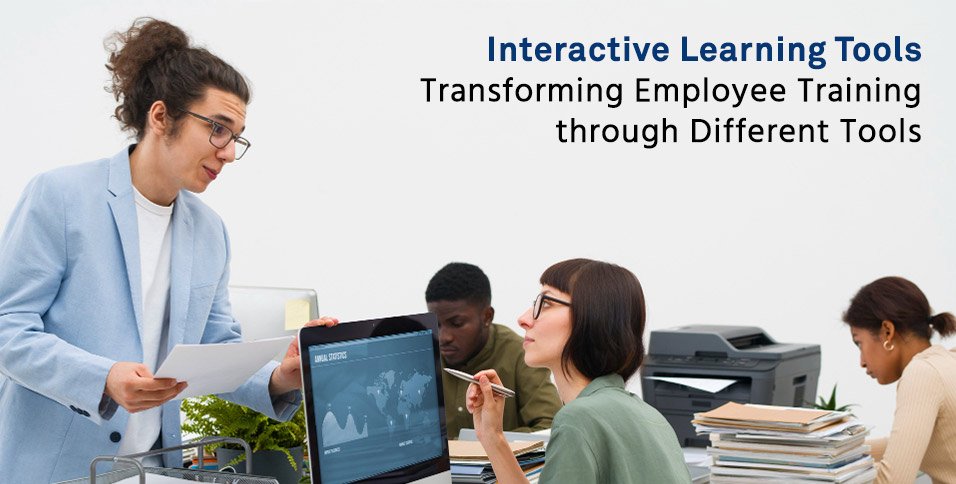
In a changing world, employee learning is changing. It now involves participation in learning processes. Now, longer presentations and printed manuals don’t capture employees’ attention for that long. Training that incorporates Interactive learning tools is more interesting.
Now, companies are employing technology to make learning interactive rather than passive. They can be used to train staff on skills. Even a simple quiz maker can make the learning process more enjoyable. Not to mention, they can make trainers to have a more accurate measurement of progress.
Why Interactive Learning Creates Better Results
Remembering information is better if it is used rather than read or seen. Engaging lessons involve staff in making decisions during the learning process.
Additionally, there are countless interactive tools that enable staff to pick up skills on their own schedule. They may re-work challenging lessons as many times as necessary to master them. This progressive level of flexibility will ensure that all learners feel confident.
Interactive Tools That Make Training More Effective
Every interactive tool doesn’t just offer different learning objectives. It also provides “new blood” to training. Frequently, organizations will include multiple tools in their learning experiences. Some of the top ones are:
- Learning platforms that use points and rewards and badges of achievement.
- Video activities that involve students in lesson questions.
- Teamwork & brainstorming on digital whiteboards.
- Polling and knowledge assessments prior to training.
- Learning through scenarios, which enhance decision-making skills.
Encouraging Personalized Learning to Improve Employee Growth
All workers have different learning styles and learn skills at various rates. Recommending lessons according to the strengths and weaknesses of each learner is possible on interactive platforms. This customized teaching method conducts the learning process more effectively.
Managers get valuable reports, too, which track staff growth. They are able to detect deficiencies in skills. Plus, they offer help and support as necessary. This results in a more reliable workforce that applies skills in practice.
The Future of Interactive Employee Training
New opportunities for workplace skills continue to exist through the power of technology. AI can make adjustments to lessons based on learner performance. Also, augmented reality can bring to life learning experiences in the real working environment. These innovations are intended to implement some changes in training that allow for it to be more practical.
Interactive learning allows businesses to lay the groundwork for continuous change in the workplace. Trained professionals don’t just identify. They also participate in the work environment with greater confidence. Interactive training is becoming an important component of future-ready workforce.
In conclusion, interactive learning tools are transforming employee training processes. They don’t just allow them to become more personalized. They also provide a confidence-building opportunity for employees with activity. In addition, businesses can reap the advantages of more effective training outcomes.
With current workplace changes, firms are in need of training methods to keep their workers engaged. Interactive learning allows the build-up of continuous improvement in an effective way. Those companies that adopt these tools now will be better prepared for an environment that is evolving in the business world.