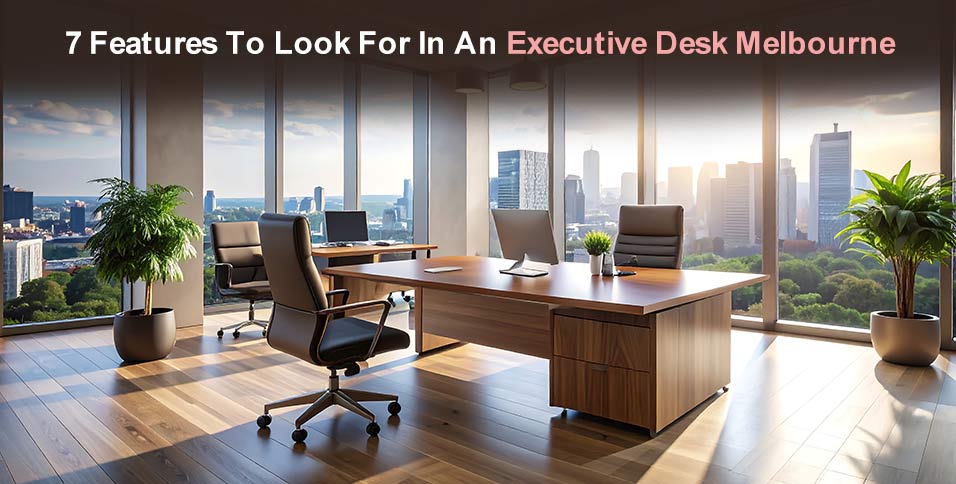
Your desk is more than just a place to sit. For executives, it often becomes the centerpiece of the office. It sets the tone for how you work, how you lead, and even how visitors see your space.
Choosing the right executive desk means balancing style, practicality, and long-term value. Here are seven features you should prioritize before making that important decision.
1. Quality Materials
Start with materials because they determine durability and appearance. Solid wood desks bring warmth and sophistication, while designs supported by metal legs add a modern, industrial look that’s popular in Melbourne offices. Veneers are cost-effective, but they may not hold up as well in high-use settings.
If you want your desk to last for years, invest in premium finishes. They resist scratches, stains, and wear, which is important for a piece of furniture that will see daily use. Choosing the right executive desks Melbourne as part of your professional office furniture ensures consistency across your space and reinforces a polished, executive look.
2. Ergonomic Design
Comfort should never be an afterthought. Long hours at a poorly designed desk can lead to neck strain, back pain, and fatigue. An executive office desk that supports good posture will improve your focus and productivity.
Check the desk height and ensure it matches your office chair for comfortable alignment. Some modern designs even include adjustable features that let you switch from sitting to standing desks, giving you flexibility throughout the day. Ergonomics isn’t just a health consideration but an investment in better performance and a happier work routine.
3. Ample Storage
Executives often juggle multiple projects, so clutter can build up quickly. That’s why storage is one of the most important features to consider. Storage drawers allow you to keep essential files, stationery, and devices close at hand.
Look for designs with varied storage, such as cabinets, compartments, and even a fixed shelf for larger items. A locking mechanism in an executive desk is another detail worth noting, as it adds security for sensitive documents or personal belongings.
Modern executive office desks often include hidden compartments or double storage drawers, giving you a balance of accessibility and discretion. A desk that balances function with style makes it easier to stay organized and present a tidy, professional workspace.
Don’t overlook the kneehole area when reviewing desk designs. This space directly affects your comfort, as cramped layouts with too many drawers can limit legroom. A well-planned kneehole area keeps the desk practical without sacrificing comfort or mobility.
4. Integrated Technology
Workplaces have changed, and your office desk should keep up. Cables, chargers, and adapters can make even the best office look messy. Choosing an office desk with integrated technology ensures that your space stays tidy and efficient.
Look for built-in power outlets, USB ports, or wireless charging pads. Wire management features are equally valuable, as they hide cords, allow space for power strips, and reduce distractions. These thoughtful touches allow you to keep a clear desk surface, which supports concentration and helps you move seamlessly between tasks.
Office desks with built-in technology saves you the hassle of constant adjustments and helps you present a more professional, organized office.
5. Size and Proportion
The size of your desk should reflect both your role and your environment. Too small, and it may feel cramped. Too large, and it can overwhelm your office. The goal is to create balance.
Measure your office space carefully before you shop. Unlike standard office desks, an executive desk should provide presence while still leaving room for movement, chairs, or guest seating. Consider the work surface too. You’ll need enough room for devices, paperwork, and personal items without feeling cluttered.
6. Style and Aesthetics
Your desk says a lot about your leadership style. A bold, dark timber desk conveys authority, while minimalist designs reflect modern tastes. The key is choosing something that feels true to your brand and professional role.
This is where executive office desks stand out. They are often designed with presence in mind, creating an immediate sense of leadership. Think about how the desk pairs with your other office furniture, such as bookshelves, lighting, or even artwork. Coordinated office furniture creates a cohesive atmosphere that impresses both employees and clients.
Here are a few ways to elevate the style and aesthetics of your executive desk and office space:
- Choose a consistent color palette: Neutral tones create a timeless look, while accents in bold colors can add personality.
- Invest in quality lighting: A well-placed desk lamp or overhead light enhances both function and mood.
- Match textures and finishes: For example, pairing a polished wood desk with leather seating and metal accents creates a balanced, professional look.
- Add functional décor: Items like elegant pen holders, framed art, or a sleek clock keep the space refined without cluttering the work surface.
- Plan the layout: Position your desk to take advantage of natural light or to provide a commanding view of the room. The placement alone can shift the energy of the entire office.
When you pay attention to these details, the office feels more inviting, professional, and most importantly, a haven for productivity.
7. Sustainability and Local Craftsmanship
More professionals are paying attention to where their office furniture comes from. Desks made with sustainable materials or built by local Melbourne craftsmen can be a meaningful choice. Not only do you get a unique piece, but you also support responsible practices.
Sustainability also ties into durability. Buying once and buying well prevents unnecessary replacements. An executive desk built with care reflects values that align with modern business leadership and long-term planning. When paired with a reliable office chair and thoughtfully chosen accessories, the result is a space that promotes both productivity and comfort.
Conclusion
An executive desk isn’t just furniture, it’s a reflection of your role, your taste, and your vision for the future. By considering materials, ergonomics, storage, technology, size, style, and sustainability, you’ll select a piece that supports your professional goals.