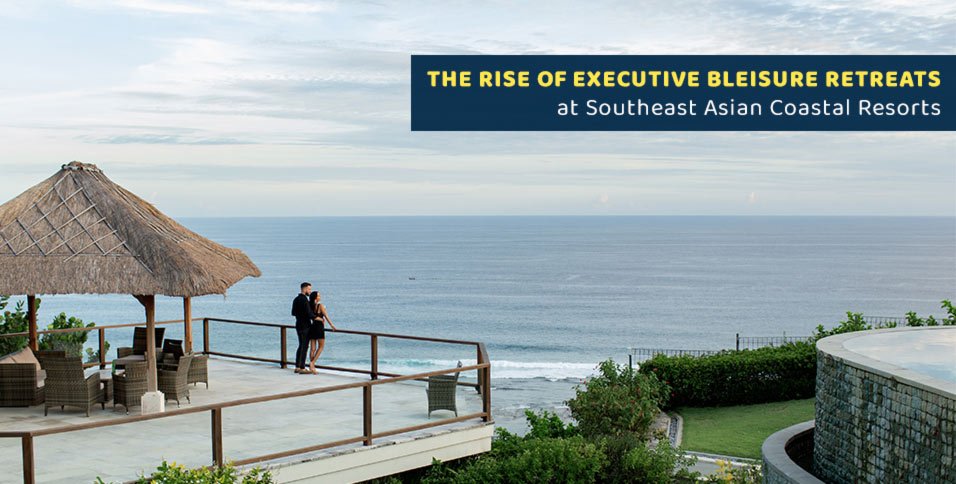
The corporate landscape is experiencing a profound shift. Historically, executive travel was characterised by back-to-back boardroom meetings, endless transit hours, and a hurried return to headquarters, leaving little room for personal recuperation. However, modern corporate travel policies are evolving rapidly in response to a growing mental health crisis in the boardroom. With recent industry research indicating that up to 82 percent of chief executives are currently experiencing exhaustion levels indicative of clinical burnout, organisations are rethinking how their top talent works on the road. The solution gaining significant traction is the executive ‘bleisure’ travel retreat, a trend that is rapidly transforming the luxury hospitality industry across the scenic coastlines of Southeast Asia.
The Business Case for Corporate Slow Travel
The operational impact of executive burnout is exceptionally costly. Unmanaged fatigue among leadership results in impaired strategic decision-making, diminished team morale, and increased turnover rates. Consequently, employers are losing tens of thousands of dollars annually per affected executive due to decreased efficiency. To combat this silent productivity killer, companies are actively formalising corporate slow travel. Rather than merely adding a weekend to a hurried trip, professionals are extending their stays by several days to properly decompress and recover.
Organisations are increasingly recognising the strong return on investment associated with these extended trips. In fact, comprehensive data from the Global Business Travel Association reveals that forty-three percent of travel programmes now have defined policies for blended or bleisure travel. A large majority of corporate buyers note substantial improvements in employee satisfaction, mental acuity, and overall work-life balance as a direct result of these blended itineraries. This strategic investment in restorative environments yields a measurable return in both sustained daily productivity and long-term leadership retention, proving that rest is a critical component of professional success.
Southeast Asia as the Premier Destination for Executives
Southeast Asia, with its unique blend of robust digital infrastructure and tropical serenity, has has emerged as the global epicentre for extended corporate stays. Thailand has strategically introduced the Destination Thailand Visa, a programme designed to allow global executives and remote workers to reside and work remotely for up to 180 days. Today’s business leaders are eagerly trading sterile airport lounges for beachfront productivity. By reserving a premium phuket sea view hotel, visiting leaders can seamlessly balance morning strategy sessions with afternoon oceanic decompression.
As this trend accelerates, coastal properties across the region are proactively pivoting to offer holistic health programming tailored specifically to combat corporate fatigue. The natural environment serves as a powerful antidote to mental exhaustion, offering an immediate transition from high-stakes negotiations to quiet, uninterrupted reflection. This seamless integration of work and leisure ensures that executives return to their home offices genuinely revitalised rather than depleted.
Essential Elements of a Leadership Retreat
For a coastal property to successfully cater to the growing bleisure market, it must offer significantly more than just a beautiful geographical location. Modern C-suite travellers require a sophisticated, hybrid ecosystem that supports both demanding corporate schedules and structured physical recovery. When organisations evaluate destinations for extended executive stays, they typically prioritise several crucial components:
- Dedicated Workspaces: Reliable, enterprise-grade internet and private, acoustically sound meeting facilities that allow leaders to conduct global video calls without interruption or privacy concerns.
- Integrated Wellness Programming: On-site access to structured well-being activities, such as holistic medical treatments and mindfulness sessions, that directly lower cortisol levels.
- Flexible Itineraries: The autonomy to dictate one’s own schedule, merging intensive work sprints with meaningful local experiences like culinary courses or regional arts immersion.
- Restorative Environments: Strategic proximity to nature, ensuring that the physical setting itself contributes to lower blood pressure and vastly improved sleep quality.
The rise of executive bleisure retreats represents a fundamental shift in how the corporate world views business travel. By recognising that peak performance requires dedicated recovery, organisations are safeguarding their most valuable leadership assets. Southeast Asian coastal resorts are uniquely positioned to meet this demand, offering the perfect synergy of modern business infrastructure and tropical tranquillity. As burnout continues to be a central concern for human resources leaders globally, the integration of structured well-being into corporate travel will undoubtedly transition from a rare luxury perk to a standard, non-negotiable business necessity.