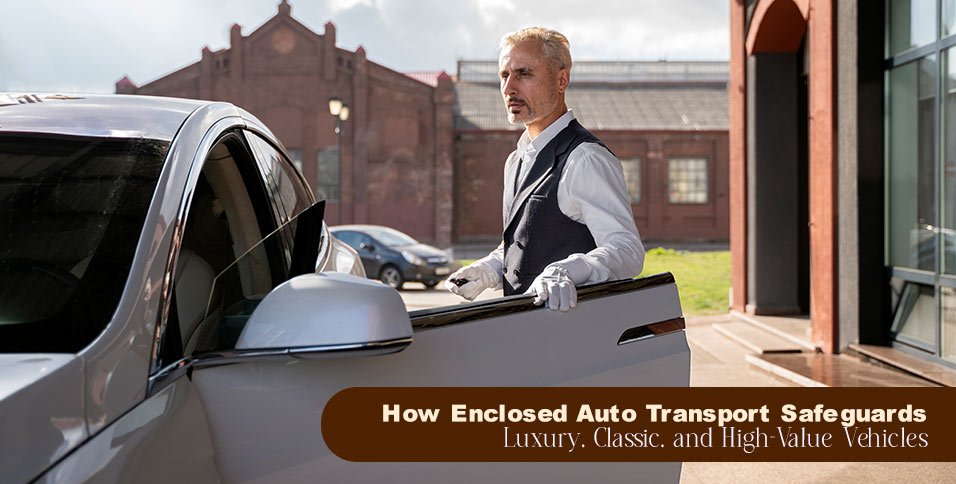
When shipping a luxury, classic, exotic, or collector vehicle, protection is often the top priority. While open transport is a popular and cost-effective option for many vehicles, owners of high-value automobiles frequently choose enclosed auto transport for an added layer of security and peace of mind. Enclosed carriers provide protection from weather, road debris, theft risks, and other hazards that can occur during long-distance transportation.
In this article, we’ll explore how enclosed auto transport safeguards valuable vehicles, why it’s often the preferred choice for collectors and enthusiasts, and what you can expect throughout the shipping process.
What Is Enclosed Auto Transport?
Enclosed auto transport involves shipping a vehicle inside a fully covered trailer rather than on an open-air carrier. This method offers maximum protection during transit and is commonly used for luxury, exotic, antique, and collector vehicles that require strict isolation from outside environments.
Hard-Sided Enclosed Trailers
Hard-sided trailers provide total protection from severe weather, heavy rain, and harsh road conditions. They feature rigid, structural walls that offer maximum security and durability against external forces. Because of this robust construction, they are the premium choice commonly used for high-end exotic supercars, prototype vehicles, and rare museum-quality classics.
Soft-Sided Enclosed Trailers
Soft-sided trailers use specialized, thick protective vinyl or canvas coverings stretched tightly over a robust steel or aluminum frame. They shield vehicles from most environmental hazards, wind-blown dust, and sun exposure while acting as a barrier against prying eyes. This setup often serves as a more budget-friendly enclosed transport option while still keeping the vehicle hidden from public view.
Vehicles Commonly Shipped in Enclosed Carriers
This specialized shipping method regularly protects luxury vehicles from brands such as Rolls-Royce, Bentley, and Mercedes-Maybach, as well as classic and antique cars. It is also the standard choice for exotic sports cars built by Ferrari, Lamborghini, and Porsche, along with collector vehicles, low-production models, custom-built hot rods, and show cars entering prestigious concours d’elegance events.
Why High-Value Vehicles Need Additional Protection
Luxury and collector vehicles often represent a massive financial investment. Unlike standard commuter cars, even minor cosmetic imperfections can dramatically reduce their market value and require incredibly specialized, costly repairs.
On a rare or numbers-matching classic car, a single deep rock chip on original paint can diminish the vehicle’s historical value by thousands of dollars. This risk makes specialized transport a necessity rather than a luxury.
Investment Protection
Using a covered trailer preserves asset value by keeping the vehicle in an identical state from origin to destination, protecting your equity. This safeguards the vehicle from expensive paintwork, as high-end factory finishes or custom multi-stage paint jobs cannot simply be patched up at a standard local body shop. Ultimately, it reduces the overall stress and structural risks associated with cross-country or long-distance shipping.
Limited Replacement Parts
Many classic and collector vehicles utilize rare, vintage, or completely discontinued parts. This leads to high repair friction because finding a replacement windshield or trim piece for a 1960s European sports car can take months of global sourcing. Furthermore, original factory components lose their historical status once replaced by modern aftermarket reproductions, making preservation vital.
Maintaining Showroom Condition
Maintaining absolute pristine condition is critical for enthusiasts who compete in judged exhibitions or automotive showcases. It optimizes potential resale values and keeps the odometer static ahead of high-stakes private sales. It also ensures that cars arriving at premier automotive auctions are ready for the showroom floor immediately upon unloading.
How Enclosed Carriers Protect Vehicles from Weather and Road Hazards
The most practical advantage of enclosed auto transport is the physical barrier it establishes between your vehicle and the unpredictable elements encountered across hundreds of miles of highway travel.
Protection from Weather Conditions
Covered bays form climate barriers that shield vehicles completely from sudden hailstorms, heavy snow, torrential rain, and road ice. This structural shield prevents prolonged exposure to direct sunlight, which can fade delicate leather interiors, crack dashboards, and degrade exterior clear coats over time. It also eliminates the risk of acid rain spots or industrial fallout bonding to the paint during transit.
Defense Against Road Debris
The sealed space offers impact prevention that eliminates damage from stray rocks, gravel, loose asphalt, and construction debris. It brings the risk of structural windshield stars, chips, or spider cracks down to zero. Additionally, it protects the vehicle from the constant mist of tire tread fragments, road tar, and oil kicked up by surrounding traffic and large semi-trucks on major interstate routes.
Reduced Exposure to Dirt and Contaminants
Because the trailer is fully sealed, cars remain clean throughout the entire cross-country journey, making the vehicle ready for the road immediately upon delivery. The enclosed environment minimizes exposure to corrosive winter road salt, thick agricultural dust, mud, and industrial soot. This careful isolation protects specialized vinyl wraps, ceramic coatings, and fresh detailing work from being rubbed down by highway wind grime.
Enhanced Security Features of Enclosed Auto Transport
Beyond physical protection from environmental damage, enclosed vehicle transport provides significant security advantages that open trailers simply cannot match.
Reduced Visibility
Keeping vehicles out of sight ensures they remain entirely hidden from public view inside a solid trailer during fuel stops, rest breaks, and overnight layovers. This provides anti-vandalism benefits by generating zero unwanted attention from potential thieves, vandals, or overzealous highway photographers. This high-profile anonymity offers complete privacy for high-profile owners, celebrity clients, or confidential vehicle deliveries.
Specialized Handling Procedures
Drivers assigned to enclosed routes are routinely the most experienced, highly trained professionals in the logistics industry. They provide white-glove care and understand the delicate mechanical quirks of high-value automobiles, including complex electronic parking brakes and air suspension systems. This expertise ensures methodical transitions, with extra time and focus dedicated to every single loading and unloading sequence.
Secure Vehicle Restraint Systems
Instead of metal chains wrapped around axles, operators typically secure vehicles using over-the-tire soft nylon tie-down straps, preventing frame stress and cosmetic rim damage. These tracking systems dramatically reduce micro-movements and vibration while traversing uneven highway surfaces. Many advanced enclosed trailers also feature hydraulic liftgates or extended low-angle ramps specifically designed to load low-ground-clearance supercars safely without scraping the front splitters or undercarriages.
Enclosed Transport vs. Open Transport: Understanding the Difference
Both transport methods serve distinct logistical needs. Open transport features an open-air, double-decker skeleton frame that carries seven to ten vehicles per load. While it is highly abundant and offers a base economic rate suitable for everyday commuter cars, it leaves vehicles fully exposed to weather and road debris. Enclosed transport utilizes a fully covered, hard-sided or soft-sided box trailer that carries a maximum of one to six vehicles. It offers a sealed environment with complete protection from external elements, making it the preferred premium tier for luxury, classic, and exotic vehicles despite costing roughly forty to sixty percent more.
Enclosed transport is strongly recommended if the current market valuation of your vehicle exceeds fifty thousand dollars, or if it features a custom, vintage, or pristine collector paint finish. It is also necessary if the automotive chassis has less than five inches of ground clearance, if the car is a highly sentimental family heirloom, or if the vehicle is heading directly to a judged car show, concours event, or premier auction house.
What to Expect During Vehicle Pickup
An organized vehicle pickup sets the baseline for a secure and worry-free transport window. Here is the operational breakdown of what occurs when your carrier arrives.
1. Carrier Arrival and Inspection
The professional transport driver will park their rig in a safe, accessible area close to your location. Together, you and the driver will walk around the vehicle to execute a comprehensive exterior condition review. Every pre-existing dent, scratch, or paint imperfection will be logged systematically to ensure an accurate record.
2. Bill of Lading Review
The structural condition of the car is documented explicitly on an official document known as the Bill of Lading. This paper serves as both your formal carriage receipt and your primary insurance baseline. It is crucial to read through this paperwork completely and ensure all noted conditions are accurate before signing off.
3. Secure Loading Process
Using low-angle ramps or a specialized hydraulic liftgate, the operator will carefully guide your vehicle into the interior of the trailer. Once positioned perfectly inside the bay, the driver will anchor the vehicle down using soft, non-abrasive wheel tie-downs, ensuring zero metal-to-metal contact with the vehicle’s suspension or rims.
4. Communication During Transit
Once your vehicle is safely locked inside the trailer, the transit phase begins. Reputable transport providers offer milestone communication updates or direct access to the carrier operator throughout the trip, giving you realistic delivery windows and immediate notice of any weather or highway traffic delays.
Comprehensive Preparation Guide for High-Value Vehicle Transport
To ensure a seamless transport experience, vehicle owners should follow a structured approach divided into three distinct phases.
During the initial booking phase, it is important to research enclosed specialists by reading verified reviews to ensure the transport provider specializes specifically in high-value, exotic, or classic automobiles. You must verify credentials by confirming active registration with the Department of Transportation and the Federal Motor Carrier Safety Administration. Take time to analyze insurance policies by requesting a current copy of the carrier’s insurance certificate, ensuring their cargo insurance limit comfortably covers the total replacement value of your specific vehicle. Booking your transport window at least two to three weeks in advance is highly recommended to lock down premium enclosed trailer space along your route.
In the days leading up to pickup, wash the car thoroughly because a clean exterior allows both you and the driver to spot and document tiny surface scratches or chips clearly during inspection. Capture high-resolution, date-stamped photographs of the vehicle from every single angle, including the wheels, lower bumpers, roof, and interior odometer readout. Remove all personal belongings from the glovebox, trunk, and cabin, including aftermarket electronics, loose paperwork, and personal luggage. Secure any loose accessories by removing or securely retracting custom antennas, specialized magnetic ornaments, and non-permanent exterior body styling pieces.
On the day of pickup, verify the mechanical readiness of the vehicle. Ensure all four tires are inflated to factory specifications so the vehicle can roll smoothly during loading cycles, and confirm the battery is tied down firmly and holds a charge. Inspect the undercarriage for any major active fluid leaks and advise the driver of minor weeping drops so they can position your vehicle on the top rack or place protective oil pans beneath it. Maintain the fuel level right around one quarter full, which provides enough fuel for loading maneuvers while reducing unnecessary fluid weight during long-distance transit. Finally, gather all operational documentation, keeping keys, spare fobs, registration records, and special operating or starting instructions readily available for the driver.
Common Mistakes to Avoid When Shipping a Luxury or Classic Vehicle
Avoiding frequent industry pitfalls protects you from unnecessary administrative headaches and logistical friction during the transport lifecycle.
Choosing a provider based on price alone often backfires, as the cheapest quote often signals a lack of adequate cargo insurance, inexperienced drivers, or unvetted equipment. Prioritize safety, specialized trailers, and carrier safety ratings over bottom-dollar pricing. Skipping vehicle documentation by failing to take clear photographs or rushing through the initial Bill of Lading walk-through removes your primary fallback layer should an insurance claim arise.
Waiting until the last minute can trigger steep expedited premiums or long delays, because enclosed transport space is naturally constrained due to covered trailers making up a smaller percentage of the national transport fleet. Additionally, never assume every enclosed carrier automatically covers multi-million dollar cargo values. Always request written validation that the carrier’s active cargo policy exceeds your vehicle’s current fair market value. Finally, remove all personal valuables from the cabin before handoff, as carrier cargo insurance policies strictly protect the automobile itself rather than personal electronics, custom toolboxes, or luggage left resting on the seats.
Common Misconceptions About Enclosed Auto Transport
Myth: Only Million-Dollar Exotic Cars Need Enclosed Shipping
The reality is that enclosed transport is heavily utilized for restored family heirlooms, custom project hot rods, and vintage muscle cars. These vehicles carry intense sentimental or irreplaceable historical value that far outweighs their standard book price, making environmental protection a necessity.
Myth: All Enclosed Services Are Identical
Equipment tiers vary drastically across the logistics space. Some budget companies utilize older soft-sided canvas trailers with minimal security, while premium organizations employ climate-controlled, hard-sided technological systems featuring hydraulic lifts and electronic tracking.
Myth: Insurance Eliminates All Physical Transit Risk
While active cargo insurance provides excellent financial restoration, it cannot physically prevent transit damage or replicate rare, irreplaceable vintage parts. Selecting a preventative enclosed container remains your first and best line of defense.
Myth: Enclosed Transport Is Unnecessarily Expensive
When you balance the incremental cost premium of enclosed shipping against the massive real-world costs of a high-end specialty paint correction, windshield replacement, or exotic bodywork repair, the preventative investment easily pays for itself.
How to Choose the Right Enclosed Auto Transport Company
Selecting an elite logistics provider requires checking core credentials and assessing their operational standards across a few critical metrics.
First, verify federal credentials by ensuring your selected company maintains an active broker or carrier authority registration through the Department of Transportation. You can independently verify safety histories, active bonding policies, and operating statuses using their unique Motor Carrier or DOT identification numbers.
Next, dive deep into insurance limits by asking your transport advisor direct, pointed questions about their operational coverage caps. Confirm the maximum valuation limit on their active cargo policy, ask if the policy requires a separate deductible payment from the vehicle owner in the event of a claim, and verify whether structural paint scratches or environmental damage are covered explicitly.
Evaluate specialized experience by asking the company about their direct track record handling your specific class of vehicle. A carrier well-versed in transporting heavy electric luxury SUVs may not automatically have the specialized low-clearance ramps or experience needed to secure a classic vintage racer or low-profile supercar.
Finally, compare communication and service quality. Prioritize shipping organizations that emphasize absolute transparency throughout the process. Look for companies that provide guaranteed, transparent quotes without hidden terminal fees, offer responsive customer service, and facilitate regular updates throughout the cross-country hauling window.
Frequently Asked Questions About Enclosed Auto Transport
Is enclosed auto transport worth the additional cost?
Yes, the premium cost of enclosed shipping is fully justified for luxury, exotic, classic, or heavily modified high-value vehicles. The added expense completely prevents road debris impacts, weathering, paint degradation, and security vulnerabilities during long journeys.
How much safer is enclosed transport compared to open transport?
Enclosed transport offers significantly higher protection because it completely eliminates environmental and road hazard risks. Your vehicle is safely isolated inside a sealed container, removing the possibilities of paint chips, hail damage, or vandalism.
What types of vehicles should use enclosed shipping?
Any vehicle with high financial value, low ground clearance, custom or rare paint finishes, historical significance, or intense sentimental value is a perfect candidate for an enclosed transport structure.
Does enclosed transport include insurance coverage?
Yes, reputable enclosed auto transport carriers carry comprehensive cargo insurance policies. However, coverage limits vary by provider, making it vital to confirm that their maximum policy cap safely covers your vehicle’s total replacement value before booking.
Can enclosed carriers transport non-running vehicles?
Yes, many enclosed carriers can accommodate inoperable or non-running classic vehicles, provided the trailer is equipped with an internal electric winch to pull the car safely up onto the loading ramps. You must disclose a vehicle’s non-running status upfront when booking.
How far in advance should I schedule enclosed transport?
It is best to schedule your enclosed transport window two to four weeks in advance. Because covered trailers are less common than open-air carriers, booking early ensures you secure space with a top-rated carrier on your preferred dates.
Will my vehicle be inspected before shipping?
Yes, a thorough, joint bumper-to-bumper physical inspection is mandatory at both the initial pickup point and the final delivery destination. All findings are officially documented on the Bill of Lading to safeguard both the vehicle owner and the carrier.
Is enclosed transport available nationwide?
Yes, most established, professional automobile transport networks offer comprehensive enclosed shipping solutions across all major interstate corridors and shipping lanes throughout the United States.
Conclusion: Why Enclosed Auto Transport Is the Preferred Choice for Valuable Vehicles
Enclosed auto transport offers the highest level of protection available for luxury, classic, exotic, and high-value vehicles. By shielding automobiles from unpredictable weather, aggressive highway road debris, theft risks, and public exposure, enclosed carriers effectively preserve your vehicle’s condition, paint finish, and long-term resale value.
For automotive owners who want maximum peace of mind during long-distance shipping, an enclosed trailer remains the safest and most reliable logistical choice available. Whether you are relocating across the country, attending an international automotive auction, or moving a prized family heirloom, choosing enclosed auto transport ensures your vehicle arrives at its destination in the exact same pristine condition it left your care.
To secure the highest level of care for your vehicle, connect with a reputable transport specialist today to request a comprehensive, transparent enclosed shipping quote tailored to your vehicle’s exact requirements.