Applying for a passport, visa, or official identification document has become much easier than it was a decade ago. Many governments now allow applicants to complete large portions of the process online, reducing paperwork and eliminating unnecessary visits to administrative offices.
Yet one requirement has remained surprisingly difficult: submitting a compliant photo.
A passport or ID photo may look simple, but meeting official standards can be frustrating. Different countries have different requirements for image size, background color, lighting, facial positioning, and even expression. A small mistake can lead to delays, rejected applications, or the need to start the process over.
As digital services continue to expand, artificial intelligence is beginning to solve this long-standing problem.
A Small Part of the Process That Creates Big Friction
For many people, obtaining a compliant photo is one of the most inconvenient parts of an application process.
Consider an international student applying for a study visa or a professional relocating abroad for work. They may need multiple photographs that meet different requirements for immigration authorities, universities, employers, or local identification systems. Visiting a photography studio is not always practical, especially when deadlines are tight or applicants are located far from major cities.
Even when photos are taken professionally, there is no guarantee they will meet every requirement of a specific authority.
How AI Is Improving Photo Compliance
Recent advances in computer vision have made it possible to automate many of the checks that were once performed manually.
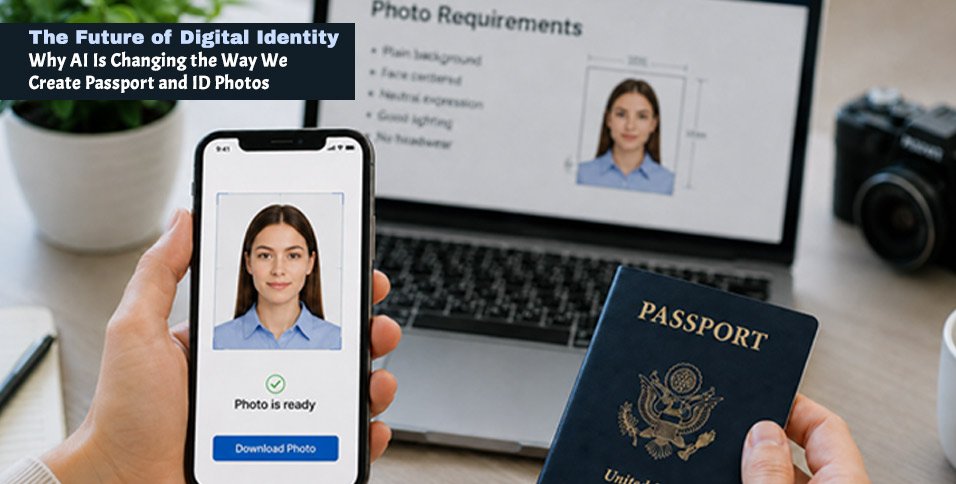
Modern systems can analyze an image and determine whether the subject is centered correctly, whether the background meets official standards, and whether the image size matches the requirements of a particular document type. Some tools can even identify common issues before a user submits an application.
This reduces the likelihood of rejection while making the process more convenient for applicants.
The broader trend is not really about photography. It is about reducing friction in identity verification. As more services move online, organizations are looking for ways to make compliance requirements easier to satisfy without compromising accuracy.
Digital Identity Is Becoming More Accessible
The growth of remote services has increased demand for reliable digital identity tools.
Banks now verify customers remotely. Universities process applications from students around the world. Employers hire international talent without requiring in-person meetings. In each case, identity verification plays a crucial role.
The easier it becomes for individuals to provide compliant documentation, the more efficient these systems become for organizations as well.
A Practical Example
One company operating in this space is IDPhotoDIY.com, which uses AI-based image analysis to help users create passport, visa, and ID photos from a smartphone image.
Rather than focusing solely on photo editing, platforms like these are part of a larger movement toward automated document preparation and verification. By guiding users through compliance requirements before submission, they help reduce avoidable errors and simplify an otherwise tedious process.
What Comes Next?
Digital identity is likely to become an even more important part of everyday life over the coming years. From travel and education to financial services and employment, more interactions will take place online, often across borders.
As this shift continues, technologies that remove complexity from administrative tasks will become increasingly valuable. AI-powered photo verification may seem like a small innovation, but it addresses a real problem faced by millions of people every year.
The future of digital identity will not be defined by a single technology. Instead, it will be shaped by countless improvements that make online processes faster, simpler, and more accessible. Automated document photography is one example of how that future is already taking shape.